EV Car Comparison in India – Price, Range & Features
Compare electric cars in India head-to-head on the numbers that actually decide your purchase like real-world range, battery size, charging speed, safety rating, features, and on-road price. Our EV car comparison tool is built exclusively for electric vehicles, which means every model currently available in India is here, organised and easy to evaluate.
Select any two or three cars from the list below and see a detailed side-by-side breakdown across every spec that influences your decision. Not sure where to start? Jump to a popular EV car comparison in India curated by our experts, grouped by budget and body type. From affordable city EVs under a certain budget to long-range SUVs. Or use the EV Finder to get a personalised shortlist based on your daily distance, budget, and priorities. No brand pays to appear here, and no ranking is sponsored.
1Pick up to 3 EVs
Filter by brand or budget and choose your shortlist.
2See specs side by side
Price, range, battery, charging, safety and features, lined up.
3Shortlist and book free test rdive
Book your free test drive of choice of your vehicle and ThatsmyEV expert will contact you.
Select at least 2 cars and their variants
Choose from 54+ EVs available in India, pick a variant for each, and see a detailed comparison of specs and features.
Popular EV Comparisons in India
The match-ups Indian buyers run most, grouped by budget and body type. Each one opens the comparison tool pre-loaded with both cars.
Most compared right now
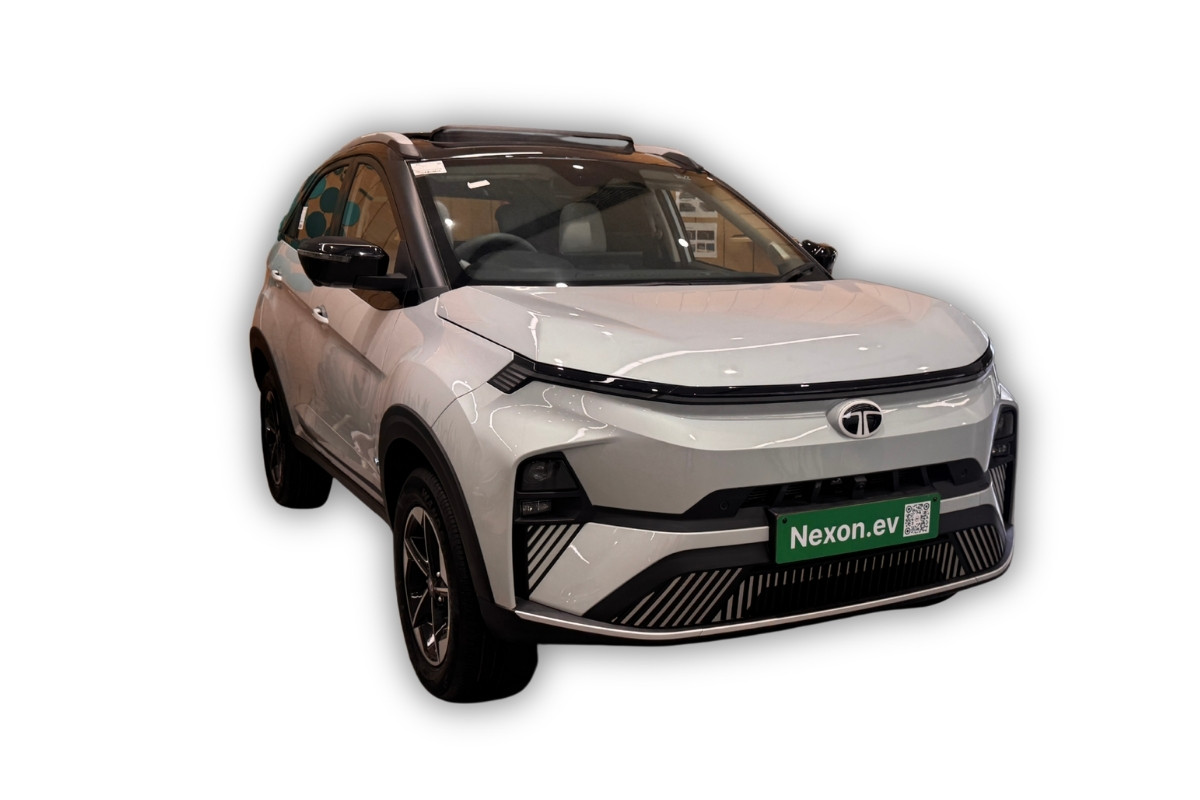
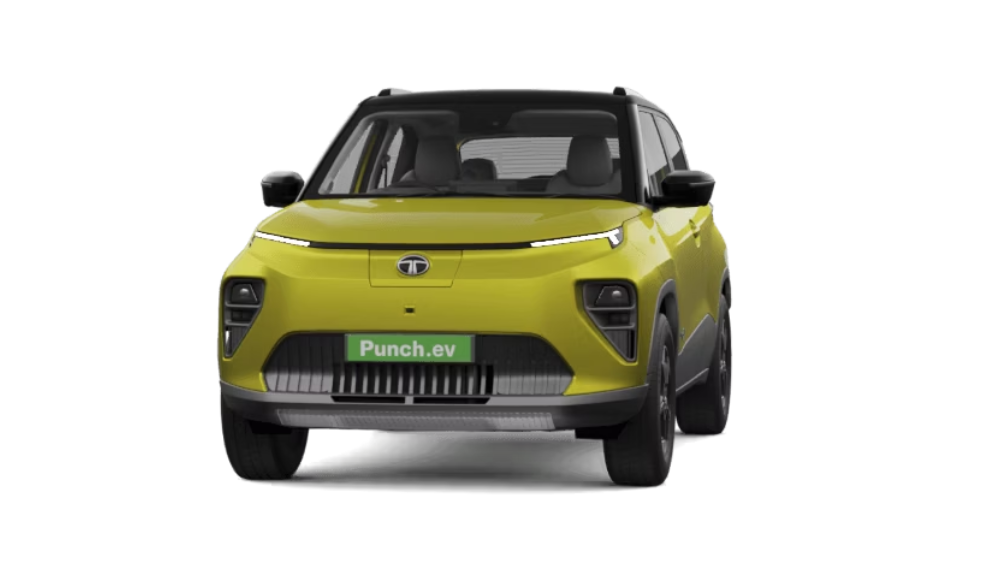
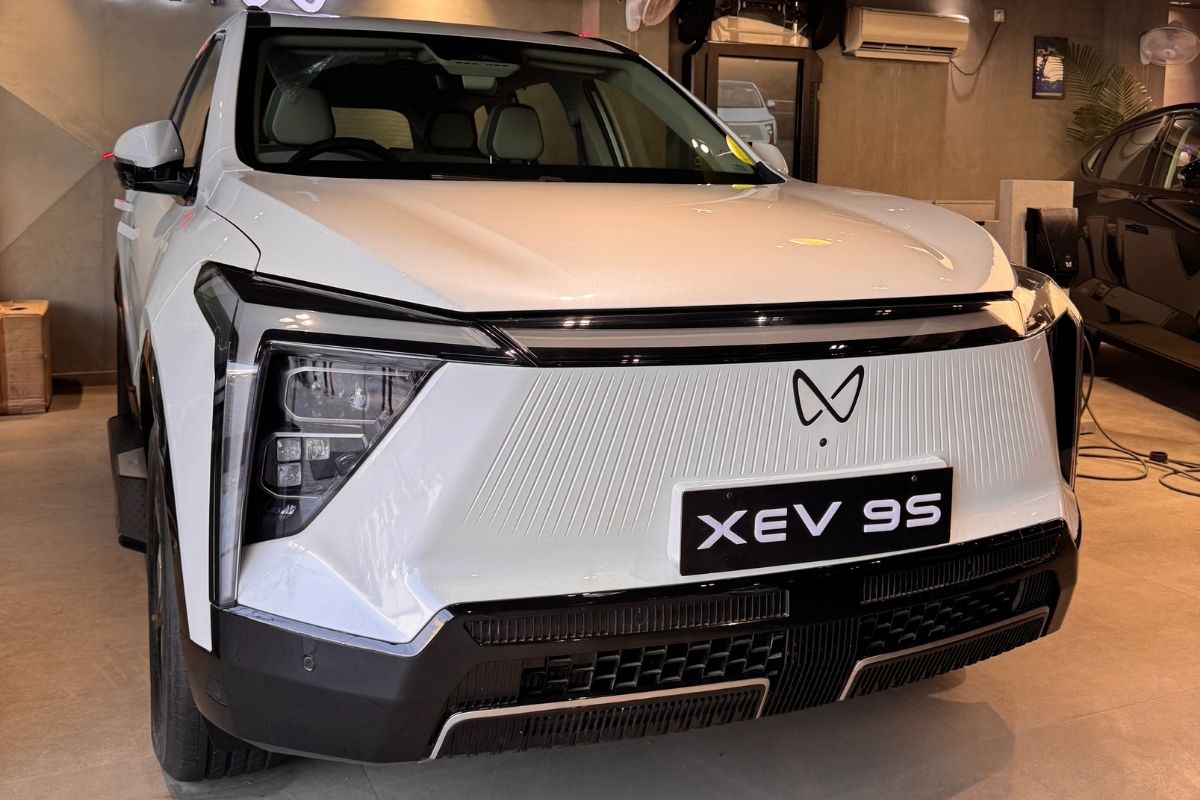
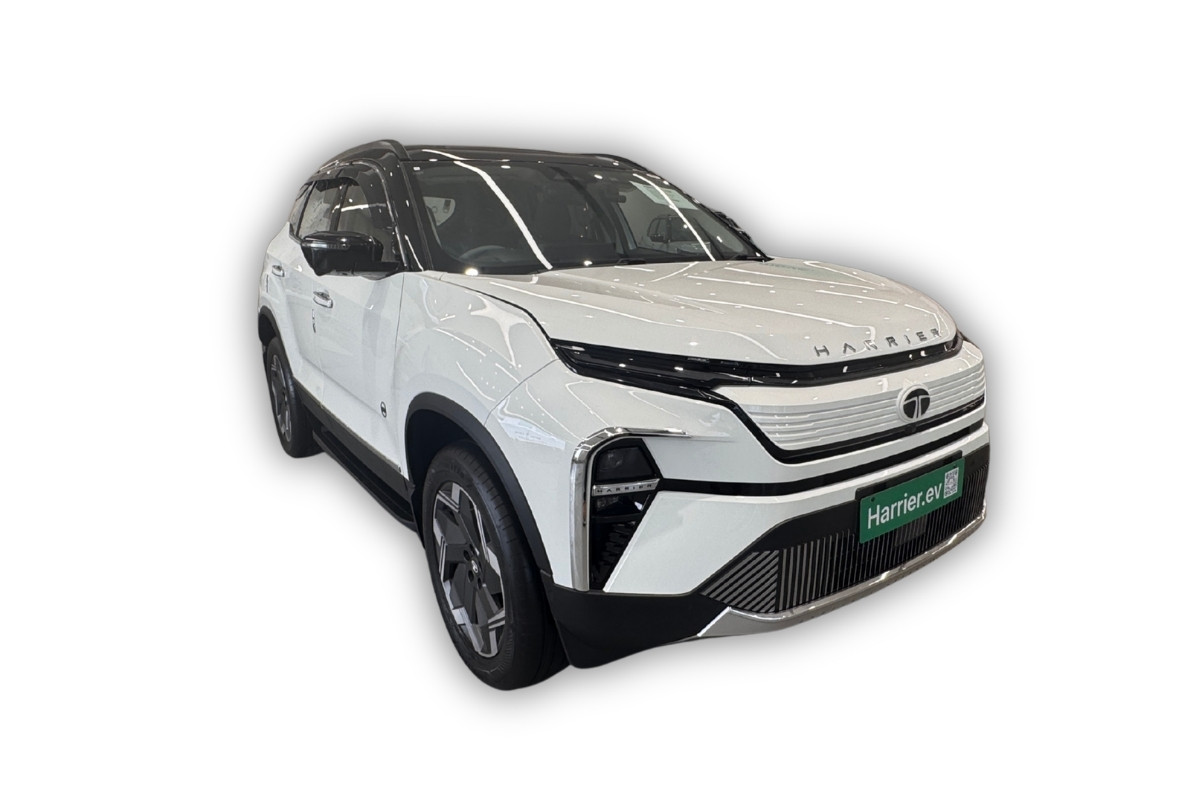
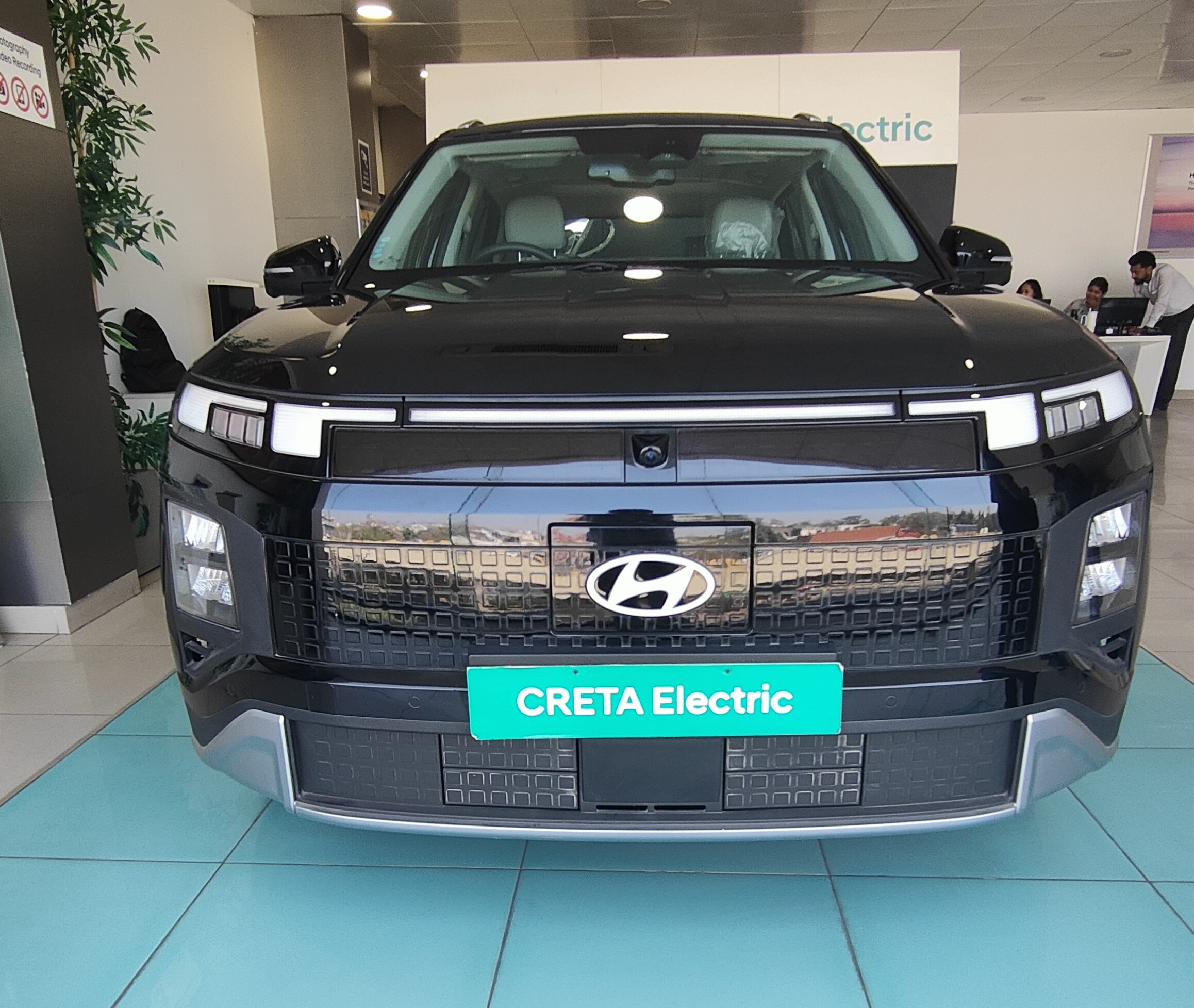
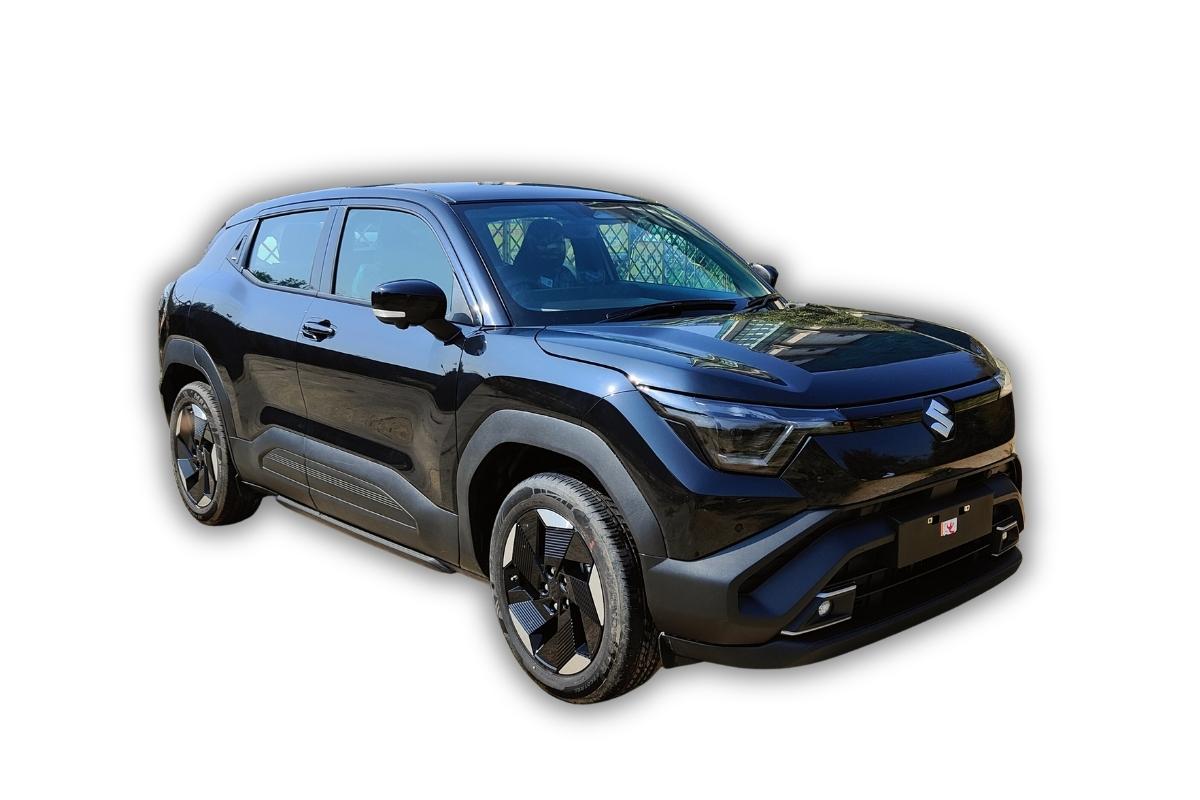
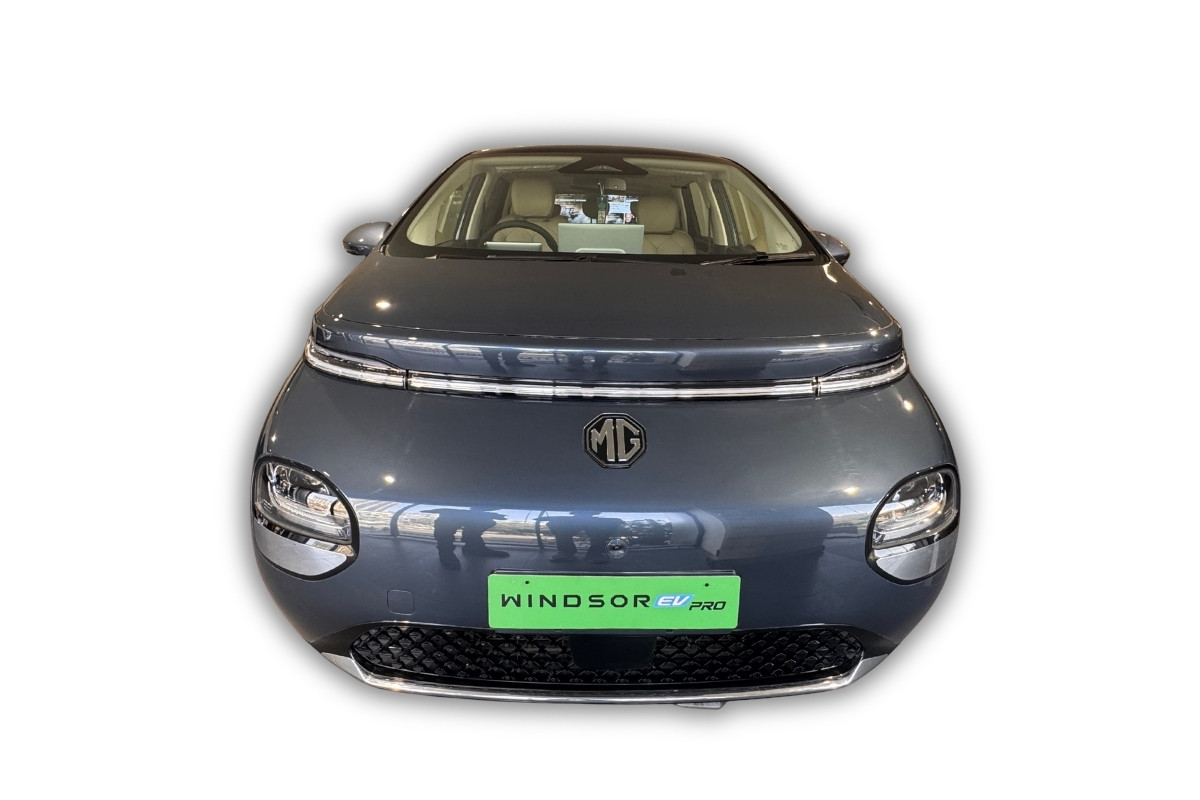
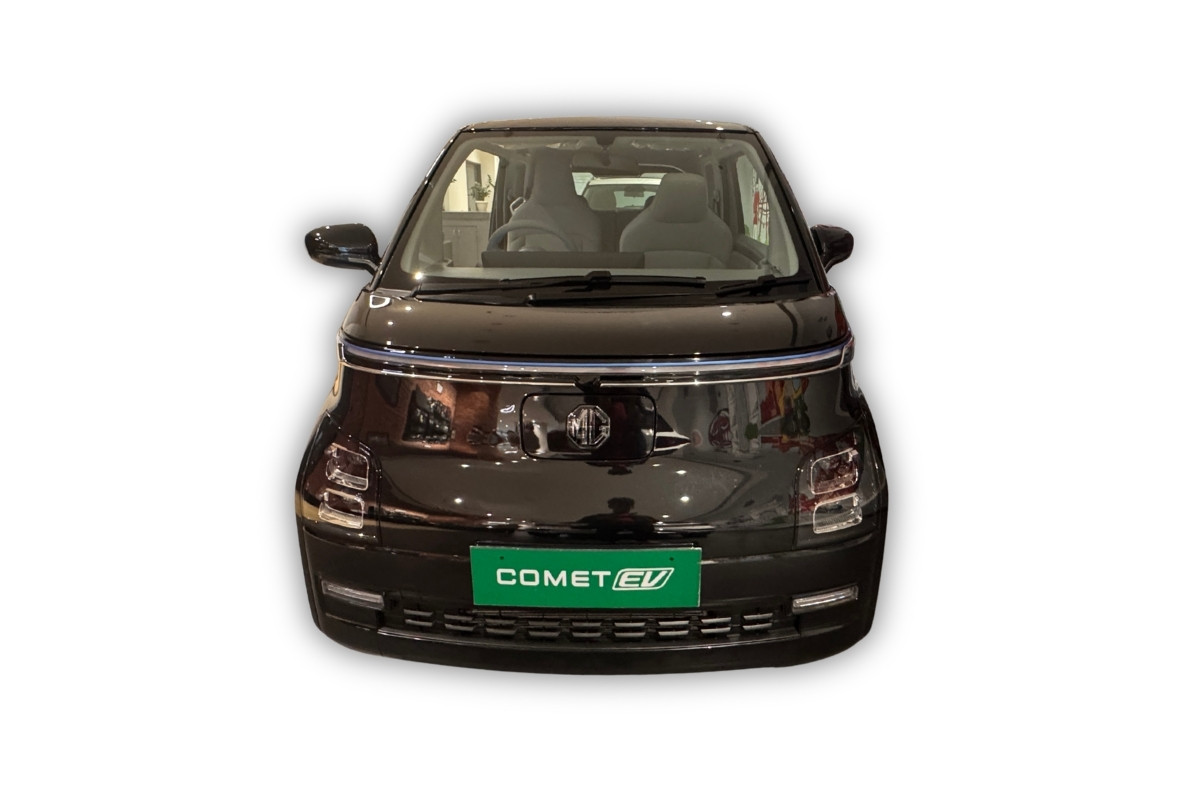
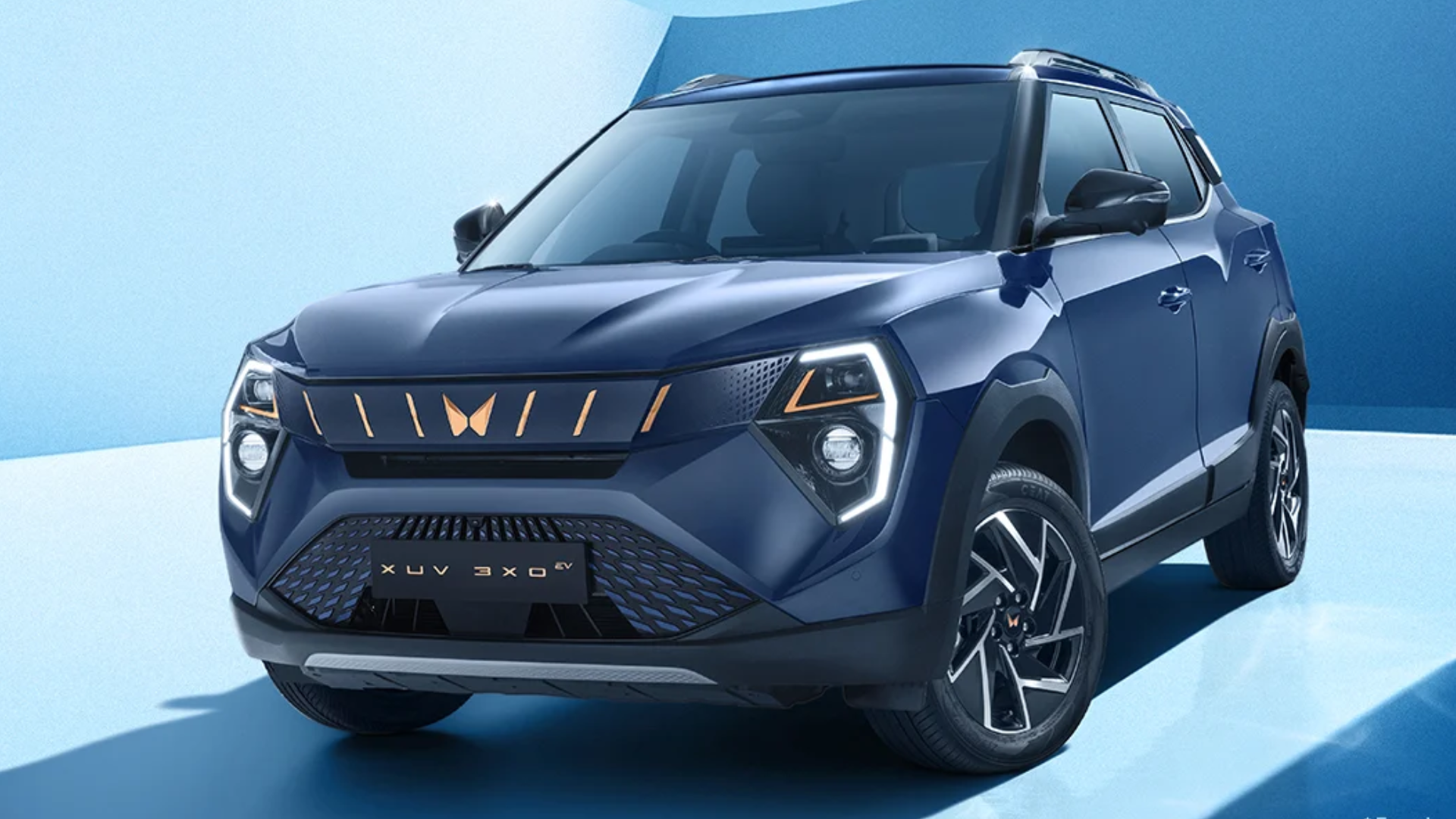
Budget EVs under ₹15 lakh
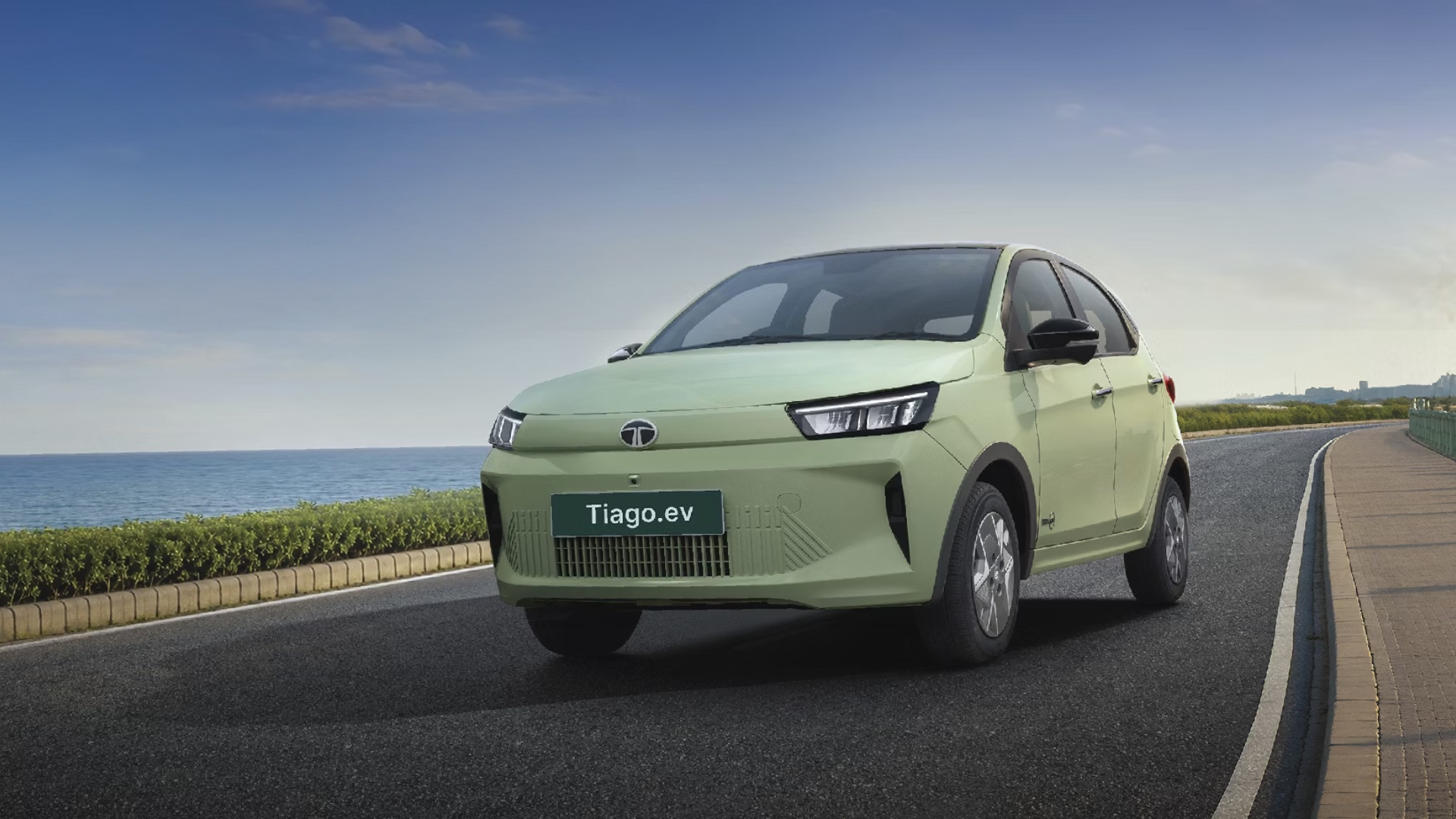
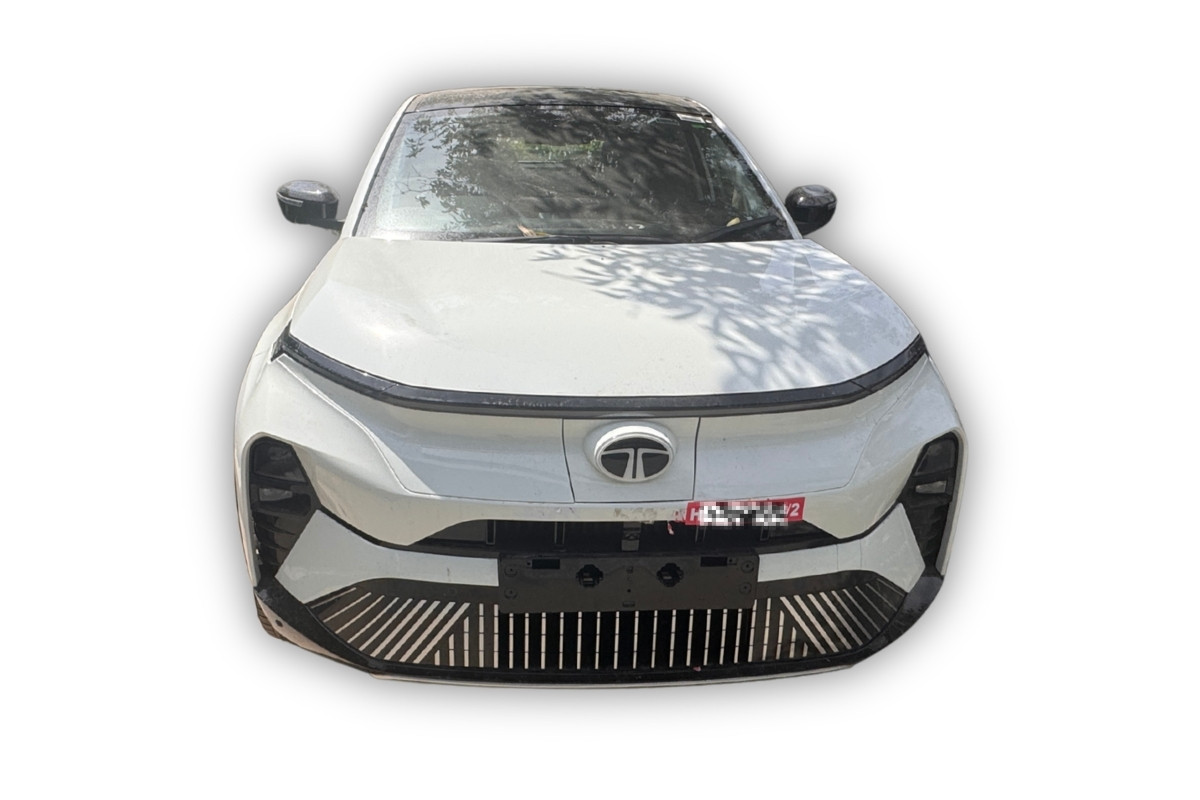
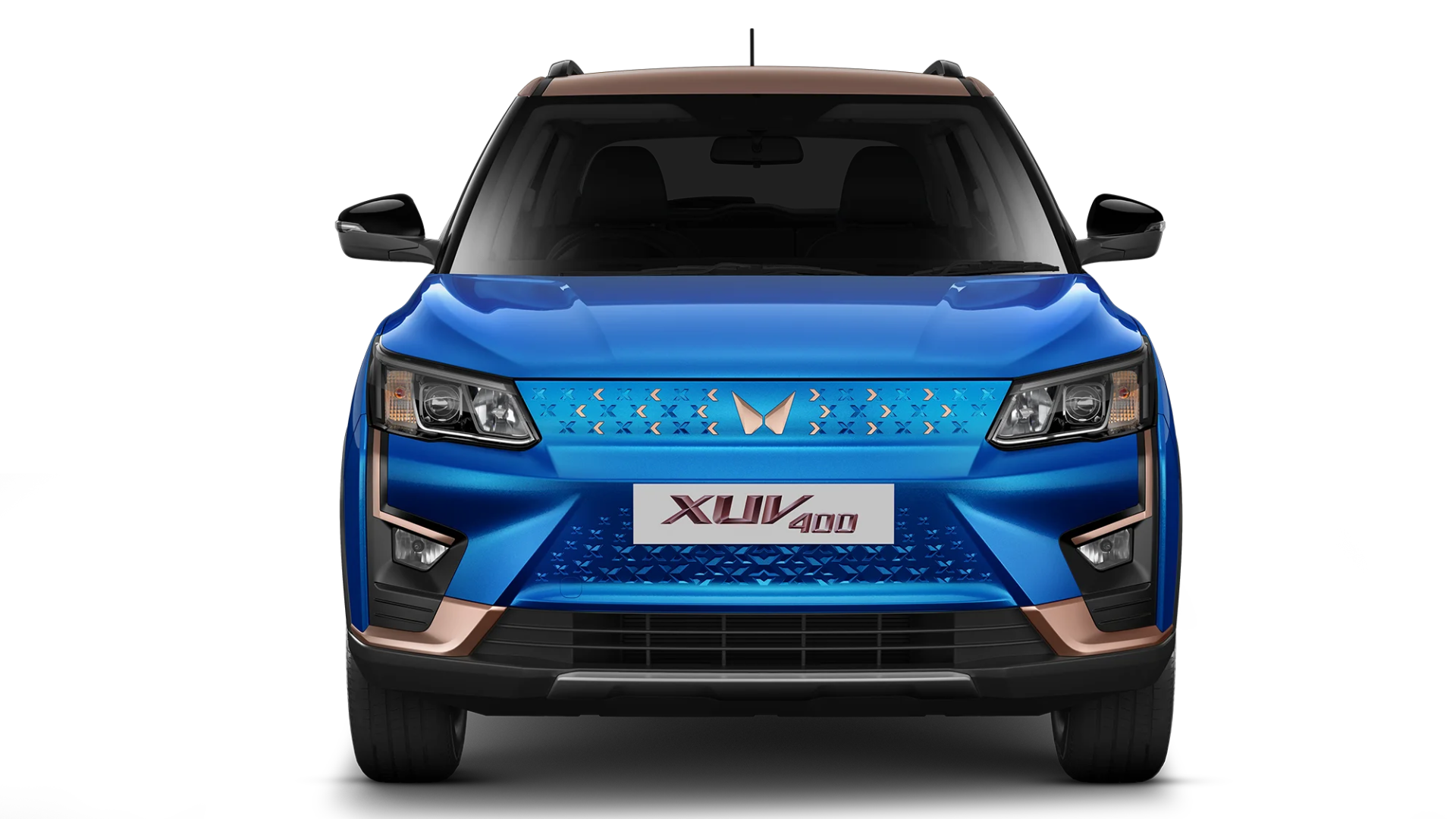
Compact & mid SUVs ₹15–25 lakh
How to Compare an Electric Car the Right Way
Specs sheets are long and most of it doesn't change your day-to-day. These are the five things worth lining up, in the order that matters.
Real-world range, not the brochure number
Start with the ARAI figure, then knock off about 20% for real Indian driving, AC, traffic and heat. A 450 km ARAI car gives you roughly 360 km in daily use. Match that usable number to your routes, not the headline.
Battery and charging speed
Battery size (kWh) only matters next to range and efficiency. What you'll feel day to day is charging: DC fast-charging speed and the 10–80% time on a fast charger, plus whether you can charge at home overnight. A bigger battery isn't automatically better if it charges slowly.
Safety
Check the Bharat NCAP star rating and, if it matters to you, the level of ADAS on the exact variant, not the top model. Safety kit often changes between variants of the same car.
Price and running cost
Compare on-road price and EMI, not just ex-showroom. On-road runs about 8–12% higher, though Delhi and Maharashtra waive road tax on EVs. Then factor charging cost against petrol, that's where an EV earns its premium back.
Practicality
Body type, seats and boot space. A 7-seater MPV and a compact hatch can sit in the same price band and suit completely different families. Don't let a spec war distract from the shape you actually need.
EV Comparison Terms, Decoded
The words that trip up first-time buyers, in plain language.
Frequently Asked Questions
Still can't decide?
Tell the ThatsmyEV EV Finder your budget, your daily distance and what matters most. It shortlists the EVs that actually fit, in seconds.
How to compare EVs in India: quick summary & data sources
To compare electric cars in India in 2026, line them up on five things: real-world range (about 20% below the ARAI figure), battery size and DC fast-charging speed, Bharat NCAP safety and ADAS, features, and on-road price (typically 8–12% above ex-showroom). ThatsmyEV lets you compare up to three EVs side by side across 55+ models, from the ₹6.99 lakh MG Comet EV to long-range SUVs above ₹30 lakh. The most-compared mass-market match-ups include Tata Nexon EV vs Tata Punch EV, Mahindra BE 6 vs Tata Harrier EV, and Hyundai Creta Electric vs Maruti e Vitara.
Specs and prices are sourced from official manufacturer and authorised dealer data, cross-checked by ThatsmyEV editors, and reviewed monthly.