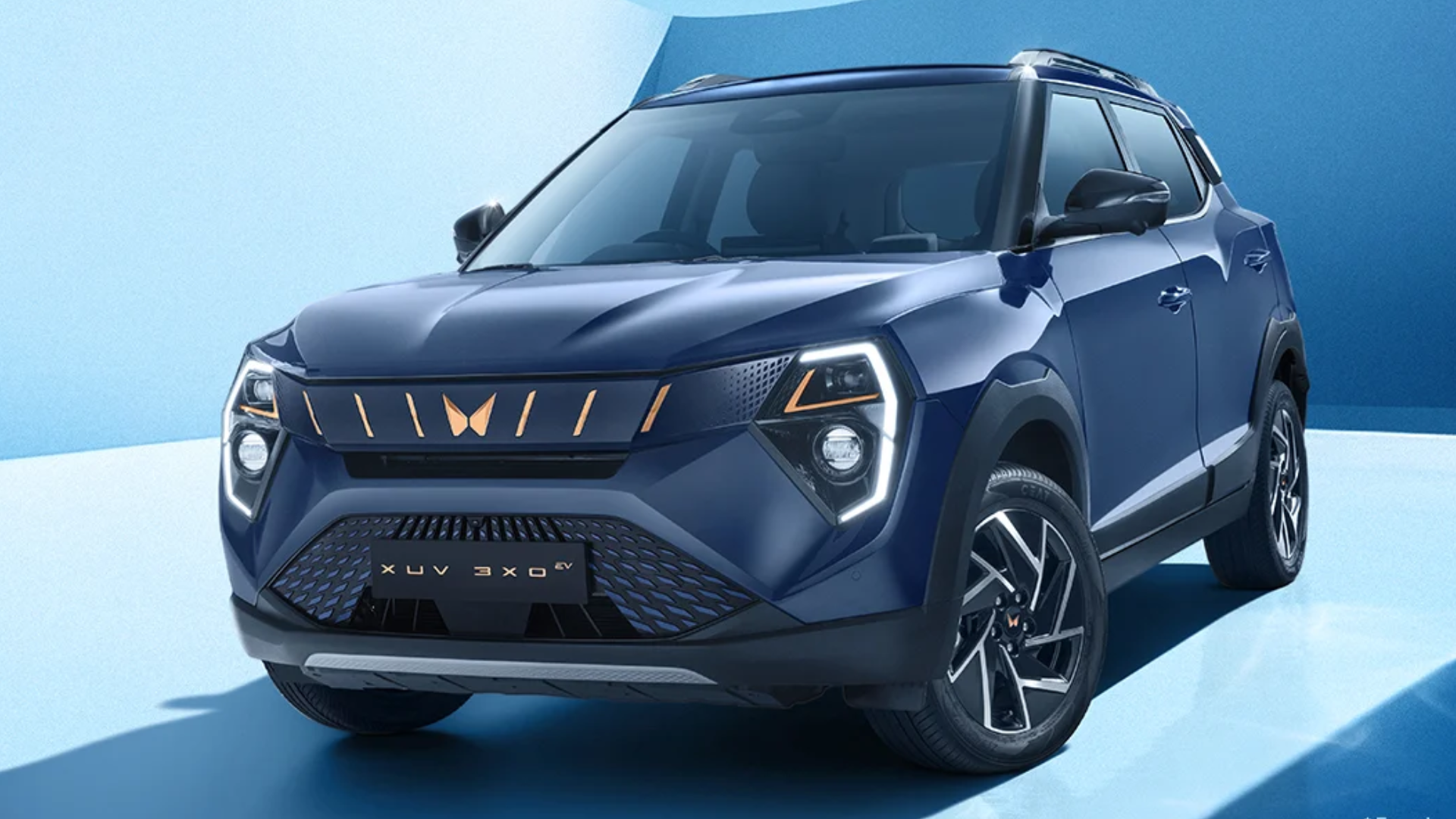
Tata Punch EV vs Mahindra XUV 3XO EV: Which Electric Car Should You Buy?
Rahul ShonakPublished On 25 August 2026, 00:32 IST
Short answer
The Tata Punch EV is the better buy for most Indian buyers in 2026. The Tata Punch EV certifies a much longer 421 km MIDC range on a similar 35 kWh pack, starts ₹2.9 lakh cheaper, and offers six variants. The Mahindra XUV 3XO EV counters with quicker DC charging, Level 2 ADAS and a punchier motor.
Tata Punch EV wins, 6 categories to 4Spec categories won: Tata Punch EV 7 – 3 Mahindra XUV 3XO EV
The Tata Punch EV beats the Mahindra XUV 3XO EV on the numbers that matter most for value: a 421 km MIDC range against just 285 km, an entry price ₹2.9 lakh lower, and six variants against three. The Mahindra XUV 3XO EV hits back with a faster 30-minute 20-80% DC charge, Level 2 ADAS, a Harman Kardon sound system and a stronger 148 hp motor with a higher top speed. Buy the Tata Punch EV if range and price matter most to you. Buy the Mahindra XUV 3XO EV if you want driver-assistance tech and a more premium cabin and are willing to pay for it.
Category-by-category scorecard
Price
Tata Punch EV · ₹4.20 Lakh cheaper at entry
Tata Punch EV starts at ₹10.99 lakh against ₹13.89 lakh for the Mahindra XUV 3XO EV, and stays cheaper at every trim level.
Certified range
Tata Punch EV · 117 km more
Tata Punch EV's long-range variants are rated 421 km MIDC on a 35 kWh pack; the Mahindra XUV 3XO EV manages 285 km MIDC on a larger 39.4 kWh pack.
Battery & efficiency
Tata Punch EV · 0.6 kWh larger pack
Tata Punch EV returns about 12 km/kWh certified against roughly 7.2 km/kWh for the Mahindra XUV 3XO EV, despite the Mahindra's bigger battery.
Charging
Tata Punch EV · 20 minutes faster
Mahindra XUV 3XO EV goes 20-80% in 30 minutes on DC; the Tata Punch EV needs 56 minutes for 0-80%, a slower stop on a highway run.
Performance
Mahindra XUV 3XO EV · 10 km/h higher top speed
Mahindra XUV 3XO EV makes 148 hp and 310 Nm with a 150 km/h top speed and 8.3-second 0-100 km/h; the Tata Punch EV manages 122 PS, 190 Nm and 140 km/h.
Boot space
Tata Punch EV · 2 litres more
Mahindra XUV 3XO EV offers 364 litres against 366 litres in the Tata Punch EV, a near-identical and effectively tied gap.
Driver assistance
Mahindra XUV 3XO EV · Level 2 ADAS included
Mahindra XUV 3XO EV offers Level 2 ADAS with adaptive cruise and lane-keep assist; the Tata Punch EV has no ADAS suite at any price.
Variant choice
Tata Punch EV · 6 variants vs 2
Tata Punch EV's ladder from Adventure MR to Empowered+ LR S lets buyers pick exact battery size and kit; the Mahindra XUV 3XO EV offers a narrower spread.
Features & cabin
Mahindra XUV 3XO EV · Richer tech kit
Mahindra XUV 3XO EV adds a Harman Kardon sound system, panoramic sky roof and wireless charging that the Tata Punch EV does not offer.
Practical footprint
Tata Punch EV · Smaller, easier to park
Tata Punch EV's sub-4-metre micro SUV footprint is easier to park and manoeuvre in dense Indian cities than the larger XUV 3XO EV.
Who should buy which?
Buy the Tata Punch EV if…
You want the longest certified range in this price bracket at 421 km.
You want the lowest entry price and the widest variant ladder.
You mostly drive in tight city streets and want an easy-to-park footprint.
You want strong efficiency so a smaller battery still goes further.
Tata Punch EV vs Mahindra XUV 3XO EV: the key numbers
Key specifications compared between the Tata Punch EV and the Mahindra XUV 3XO EV
Specification
Tata Punch EV
Mahindra XUV 3XO EV
Winner
Ex-showroom price
₹9.69 Lakh - ₹12.59 Lakh
₹13.89 Lakh - ₹14.96 Lakh
Tata Punch EV
Battery packs
30 kWh / 40 kWh
39.4 kWh
Tata Punch EV
Certified range
365 km / 468 km (MIDC)
351 km (MIDC)
Tata Punch EV
Real-world range (est.)
335 km
255 km
Tata Punch EV
Efficiency (km/kWh)
11.7
8.9
Tata Punch EV
Running cost (₹/km)
0.96
1.24
Tata Punch EV
Top speed (km/h)
140
150
Mahindra XUV 3XO EV
Boot space (litres)
366
364
Tata Punch EV
Variants
6
2
Tata Punch EV
Which is cheaper, Tata Punch EV or Mahindra XUV 3XO EV?
Tata Punch EV is significantly cheaper. Tata Punch EV starts at ₹10.99 lakh ex-showroom against ₹13.89 lakh for Mahindra XUV 3XO EV, a gap of ₹2.90 lakh. At the top of each range, Mahindra XUV 3XO EV's ₹15.46 lakh AX7 is close to the Punch EV's ₹15.49 lakh Empowered+ LR S.
The gap is widest at entry level, where the Tata Punch EV Adventure MR opens the EV segment at under ₹11 lakh with a smaller 25 kWh battery, a price point the Mahindra XUV 3XO EV does not reach.
Buyers stretching to ₹15.5 lakh get a genuine choice: a fully loaded, long-range Punch EV or a feature-rich, ADAS-equipped XUV 3XO EV, so the final decision comes down to whether range or driver-assistance tech matters more.
Which has better real-world range, Tata Punch EV or Mahindra XUV 3XO EV?
Tata Punch EV has far better real-world range. Tata Punch EV returns roughly 303 km in Indian conditions from a 421 km MIDC rating on its 35 kWh long-range pack, while Mahindra XUV 3XO EV returns roughly 205 km from a 285 km MIDC rating on a larger 39.4 kWh pack.
Thatsmyev estimates real-world range at about 28% below MIDC to account for air conditioning, traffic and highway speeds. Even with a smaller battery, the Punch EV's efficiency edge means nearly 100 km more range per charge than the XUV 3XO EV.
For buyers who do longer daily commutes or occasional intercity trips, the Punch EV's range advantage reduces charging anxiety far more than the XUV 3XO EV's larger but less efficient pack.
Which charges faster, Tata Punch EV or Mahindra XUV 3XO EV?
Mahindra XUV 3XO EV charges faster on DC. Mahindra XUV 3XO EV completes a 20-80% DC fast charge in 30 minutes, against 56 minutes for a 0-80% DC charge on the Tata Punch EV. On AC, the XUV 3XO EV takes 6.5 hours and the Punch EV 7.5 hours.
The comparison windows differ slightly (20-80% versus 0-80%), but even accounting for that, the Mahindra XUV 3XO EV's charging curve is quicker, which matters on long highway runs where every extra minute at a charger adds up.
Since the Tata Punch EV needs to charge less often thanks to its longer range, the two cars end up closer in practical terms than the raw charging-time numbers suggest.
Which is more practical, Tata Punch EV or Mahindra XUV 3XO EV?
The two are closely matched on practicality. Tata Punch EV carries 366 litres of boot space against 364 litres in the Mahindra XUV 3XO EV, an effective tie, though the Punch EV's smaller footprint makes it easier to park and thread through city traffic.
The Mahindra XUV 3XO EV's slightly larger body brings a bit more shoulder room and a more substantial highway stance, useful for families who prioritise cabin width over city agility.
The Tata Punch EV's sub-4-metre length and tighter turning radius make it noticeably easier to manoeuvre in narrow lanes and multi-storey parking, an everyday advantage in Indian metros.
Which is safer, Tata Punch EV or Mahindra XUV 3XO EV?
Mahindra XUV 3XO EV has the stronger safety kit. Mahindra XUV 3XO EV offers Level 2 ADAS with adaptive cruise control and lane-keep assist on top trims, a feature the Tata Punch EV does not offer at any price.
Both cars offer six airbags, ESC, hill-hold and a 360-degree camera on higher variants, so the core passive-safety kit is broadly comparable between the two.
The Mahindra XUV 3XO EV's ADAS suite pulls ahead specifically on highway driving, where adaptive cruise and lane-keep assist reduce driver fatigue over longer stretches.
Which variant offers the best value?
Tata Punch EV Empowered+ LR at ₹14.99 lakh is the best-value variant across both cars. Empowered+ LR pairs the full 35 kWh, 421 km battery with a 360-degree camera, ventilated seats and connected car tech for less than the entry Mahindra XUV 3XO EV.
In the Mahindra range, the AX7 at ₹15.46 lakh is the pick if ADAS matters, since it is the only trim to bundle the Level 2 driver-assistance suite with the panoramic sky roof and Harman Kardon audio.
Buyers on a tight budget should note the Tata Punch EV's Adventure MR and Adventure+ MR use a smaller 25 kWh, 315 km battery, so stepping up to an LR variant is worth the extra spend for meaningfully better range.
Full specification comparison
Full specification table comparing the Tata Punch EV and the Mahindra XUV 3XO EV
Specification
Tata Punch EV
Mahindra XUV 3XO EV
Safety
Airbag Count
6
6
Airbag Details
Dual Front, Side, Curtain
Standard 6-airbag system (Dual Front, Side, Curtain)
ADAS Level
—
Level 2
ADAS Features List
—
360° Surround View + Blind View Monitor, Front Parking Assist, plus standard Level 2 ADAS suite
Electronic Stability Program (ESP)
Yes
Yes
ABS with EBD
Yes
Yes
Parking Sensors
Rear
Both
Camera System
360 Degree (with Blind Spot View Monitor)
360 Degree Surround View + Blind View Monitor
TPMS
i-TPMS (Indirect)
Yes (Tyre Pressure Monitoring System)
Child Seat Anchorages
ISOFIX
Yes
Charging
Charging Standard / Inlet Type
CCS2
CCS Type II (CCS2)
On-board Charger Capacity (kW)
7.2 kW
7.2 kW
AC Charging Time (0-100%) (Hours)
~5.3 hrs (10-100% @ 7.2 kW); ~14.8 hrs @ 15A
~6.5 hrs (0-100% @ 7.2 kW)
DC Fast Charging Time (10-80%) (Minutes)
~30 min (10-80% @ 65 kW)
~50 min (0-80% @ 50 kW DC)
Max DC Charging Rate Support (kW)
65KW
50
Regenerative Braking
Yes (4 Levels: 0-3, paddle-shifter)
Yes (Single Pedal Drive supported)
Warranty
Battery Warranty
Lifetime / Unlimited km (1st owner, private reg.)
8 Years / 1,60,000 km (Battery Pack & Motor)
Vehicle Warranty
3 Years / 1,25,000 km
3 Years / Unlimited km
Motor Warranty
8 Years / 1,60,000 km
8 Years / 1,60,000 km (combined with Battery Pack)
Dimensions
Overall Length (mm)
3880
3990
Overall Width (mm)
1742
1821
Overall Height (mm)
1622
1653
Wheelbase (mm)
2445
2600
Ground Clearance (Unladen) (mm)
195
190
Boot Volume (Litres)
366
364
Frunk Volume (Front Trunk) (Litres)
14
no
Seating Capacity
5
5
Turning Circle Radius (Metres)
<5
5.30
Kerb Weight (kg)
1350
1350
Powertrain
Motor Type
Permanent Magnet Synchronous Motor
—
Max Power
95 kW
110 kW (150 PS)
Max Torque (Nm)
154
310
Real-World Range (ThatsmyEV est.)
335 km
255 km
Drive Type
FWD
FWD
Transmission
Single Speed Automatic
Single Speed Automatic
Drive Modes
Eco, City, Sport
Fun, Fast, Fearless
Acceleration (0-100 km/h) (Seconds)
9
8.3
Top Speed (km/h)
140
150
General Info
Model Name
Punch.ev
XUV 3XO EV
Variant
Empowered Plus S (40 kWh)
AX7L FH
Ex-Showroom Price (Starting)
1259000
1496000
Battery & Range
Battery Pack Capacity (kWh)
40
39.4
Battery Type
LFP (Prismatic Cell)
NMC
Certified Range (MIDC) (km)
Up to 468 km
351
Thermal Management System
Liquid Cooled
Liquid cooled
Ingress Protection (IP Rating)
IP67
IP67
BaaS
Yes
No
BaaS Upfront Price
649000
—
BaaS Per-km Rate
2.6
—
Exterior & Tech
Keyless Entry / Start
PEPS (Push Button Start/Stop) with Keyless Entry
Passive Keyless Entry + Push Button Start
Headlamp Operation
Auto
Auto
Headlamp Type
Smart LED Headlamps
LED Projector Headlamps + LED DRL + LED Front Fog Lamps
Interior & Tech
Infotainment Screen Size
26.03 cm (10.25 inch) HD
26.03 cm (10.25 inch) Twin HD
Instrument Cluster Size
26.03 cm (10.25 inch) Digital Cockpit
26.03 cm (10.25 inch)
Audio System Brand
Harman
Harman Kardon
Speaker Count
4
7
Wireless Connectivity
Wireless Android Auto & Apple CarPlay
Wireless Android Auto & Apple CarPlay
Connected Car App
iRA.ev
Adrenox (with built-in Alexa)
Wireless Charging
Front
Front
Sunroof Type
Single Pane (Voice-assisted)
Panoramic Skyroof
Climate Control
i-FATC (with Air Purifier)
Dual Zone Automatic Temperature Control
Ventilated Seats
Front Row
Front Row
Driver Seat Adjustment
Height Adjustable (Manual)
Height Adjustable (Manual)
Rear Seat Folding
—
60:40 Split
Air Filtration
Air Purifier
—
Ambient Lighting
Yes
—
Chassis & Wheels
Front Suspension
Independent, Lower Wishbone, McPherson Strut with Coil Spring
MacPherson Strut
Rear Suspension
Semi-independent Twist Beam with Coil Spring & Shock Absorber
Torsion Beam (2WD)
Suspension Technology
—
FDD (Frequency Dependent Damping) + MTV-CL
Front Brakes
Disc
Disc
Rear Brakes
Drum
Disc
Wheel Size & Type
R16 Diamond Cut Alloy
R17 Diamond Cut Alloy
Tyre Size
195/60 R16
215/55 R17
Spare Wheel Size/Type
—
135/90 R16
Pros and cons
Tata Punch EV
Longest certified range here at 421 km MIDC
Cheapest entry point at ₹10.99 lakh
Six variants, the widest choice in the segment
Compact micro SUV footprint, easy to park in the city
Slower DC charge at 56 minutes for 0-80%
No Level 2 ADAS at any price
Lower top speed at 140 km/h
Fewer premium cabin features than the XUV 3XO EV
Mahindra XUV 3XO EV
Level 2 ADAS with adaptive cruise and lane-keep assist
Quicker 30-minute 20-80% DC fast charge
Stronger 148 hp motor and 150 km/h top speed
Richer cabin with panoramic sky roof and Harman Kardon audio
₹2.90 lakh costlier at entry than the Punch EV
Much shorter certified range at 285 km MIDC
Only three variants to choose from
Lower efficiency despite a larger 39.4 kWh battery
Tata Punch EV vs Mahindra XUV 3XO EV: frequently asked questions
Is the Tata Punch EV better than the Mahindra XUV 3XO EV?
For most buyers, yes. The Tata Punch EV offers a much longer 421 km MIDC range, a lower entry price of ₹10.99 lakh and six variants. The Mahindra XUV 3XO EV is the better choice if you want Level 2 ADAS, quicker DC charging and stronger performance.
What is the price difference between Tata Punch EV and Mahindra XUV 3XO EV?
The Tata Punch EV starts at ₹10.99 lakh ex-showroom against ₹13.89 lakh for the Mahindra XUV 3XO EV, so the Punch EV is ₹2.90 lakh cheaper at entry. At the top, the gap narrows to about ₹0.03 lakh between the fully loaded variants.
Which has more range, Tata Punch EV or Mahindra XUV 3XO EV?
The Tata Punch EV has far more range at 421 km MIDC against 285 km for the Mahindra XUV 3XO EV. In real Indian conditions expect roughly 303 km from the Punch EV and roughly 205 km from the XUV 3XO EV.
Which has a bigger boot, Tata Punch EV or Mahindra XUV 3XO EV?
They are effectively tied. The Tata Punch EV offers 366 litres against 364 litres in the Mahindra XUV 3XO EV, a difference of just 2 litres.
Which charges faster, Tata Punch EV or Mahindra XUV 3XO EV?
The Mahindra XUV 3XO EV charges faster on DC, completing 20-80% in 30 minutes against 56 minutes for a 0-80% charge on the Tata Punch EV. On a home AC charger the XUV 3XO EV takes 6.5 hours and the Punch EV 7.5 hours.
Which is better for highway driving?
The Mahindra XUV 3XO EV, thanks to its 150 km/h top speed, 148 hp motor and Level 2 ADAS with adaptive cruise control. The Tata Punch EV counters with a much longer range, which reduces the number of highway charging stops needed.
Which variant of the Tata Punch EV should I buy?
Buy the Empowered+ LR at ₹14.99 lakh. It uses the full 35 kWh, 421 km battery and includes the 360-degree camera, ventilated seats and connected car tech, undercutting the entry Mahindra XUV 3XO EV on price.
Which variant of the Mahindra XUV 3XO EV should I buy?
Buy the AX7 at ₹15.46 lakh. It is the only trim to bundle Level 2 ADAS with the panoramic sky roof, Harman Kardon sound system and wireless charging.
Does the Tata Punch EV or Mahindra XUV 3XO EV have ADAS?
Only the Mahindra XUV 3XO EV offers Level 2 ADAS, with adaptive cruise control and lane-keep assist on its top AX7 trim. The Tata Punch EV does not offer any ADAS features at any price point.
Which is cheaper to run per kilometre?
The Tata Punch EV, at roughly ₹0.67 per kilometre on home charging at ₹8 per unit thanks to its higher efficiency, against roughly ₹1.11 per kilometre for the Mahindra XUV 3XO EV, whose larger battery and lower efficiency cost more per kilometre travelled.
The Tata Punch EV and Mahindra XUV 3XO EV sit close together on price but take very different approaches to the electric micro-SUV and compact-SUV segment in India. The Tata Punch EV leans on its 35 kWh long-range pack to deliver a segment-leading 421 km MIDC certified range, translating to roughly 303 km in real-world Indian driving conditions once air conditioning, traffic and highway speeds are factored in at Thatsmyev's standard 28% real-world discount. It starts at ₹10.99 lakh ex-showroom, undercutting the Mahindra XUV 3XO EV's ₹13.89 lakh starting price by ₹2.90 lakh, and offers six variants that let buyers choose between a smaller 25 kWh medium-range pack and the full 35 kWh long-range battery. The Mahindra XUV 3XO EV, in contrast, uses a larger 39.4 kWh battery but returns a lower 285 km MIDC range and roughly 205 km in real-world use, a reflection of its heavier body and lower certified efficiency of about 7.2 km/kWh against the Punch EV's roughly 12 km/kWh. Where the Mahindra XUV 3XO EV claws back ground is in outright capability and equipment: a stronger 148 hp motor with 310 Nm of torque, a quicker 8.3-second 0-100 km/h time and a 150 km/h top speed, along with Level 2 ADAS featuring adaptive cruise control and lane-keep assist on its top AX7 trim, a Harman Kardon sound system, a panoramic sky roof and wireless charging, none of which the Tata Punch EV offers at any price. Charging times also favour the Mahindra, whose 20-80% DC fast charge takes just 30 minutes against the Tata Punch EV's 56-minute 0-80% figure, though the comparison windows are not perfectly aligned. Boot space is essentially a tie at 366 litres for the Punch EV and 364 litres for the XUV 3XO EV, while both cars seat five and carry an 8-year, 1.6-lakh-kilometre battery warranty. For buyers who prioritise maximum range and the lowest possible entry price, along with an easy-to-park micro-SUV footprint for congested Indian cities, the Tata Punch EV is the stronger overall package and wins this comparison 6 categories to 4. For buyers who want driver-assistance technology, a more powerful motor and a richer, more premium cabin, and are willing to pay a premium and accept a shorter range, the Mahindra XUV 3XO EV is the better fit. Neither car is aimed at long-distance touring; both are best suited to city and short-intercity use, with the Punch EV's range advantage reducing how often a driver needs to plan around a charger.
Specifications and prices are read live from the Thatsmyev vehicle database, the same source as our model pages, and are cross-checked by Thatsmyev editors. No brand pays to appear here and no verdict is sponsored. Real-world range is a Thatsmyev estimate at roughly 28% below the certified MIDC figure.
We'd like to use Meta advertising cookies to measure how our ads perform. You can change this anytime from "Cookie settings" in the footer. Cookie Policy
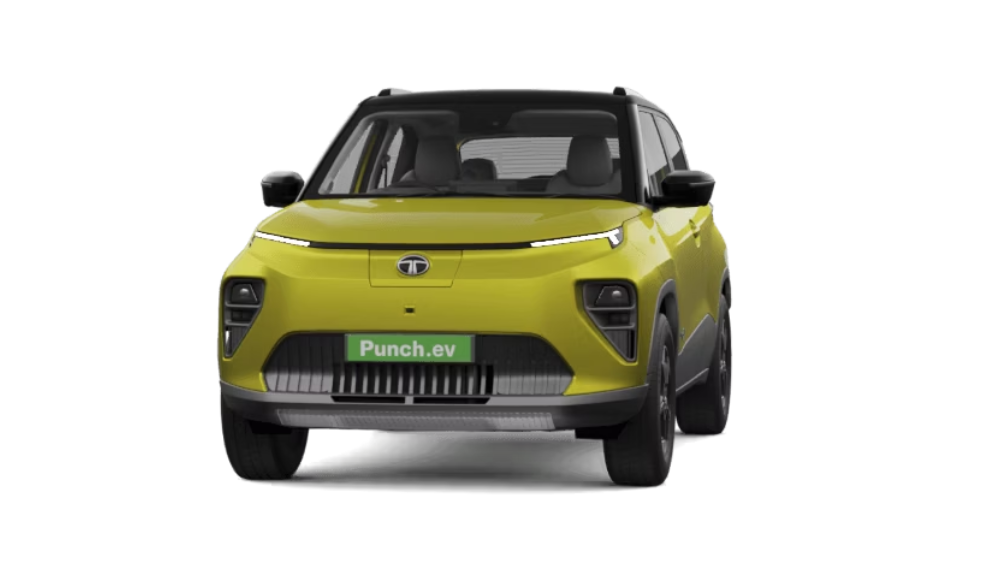 Our pick