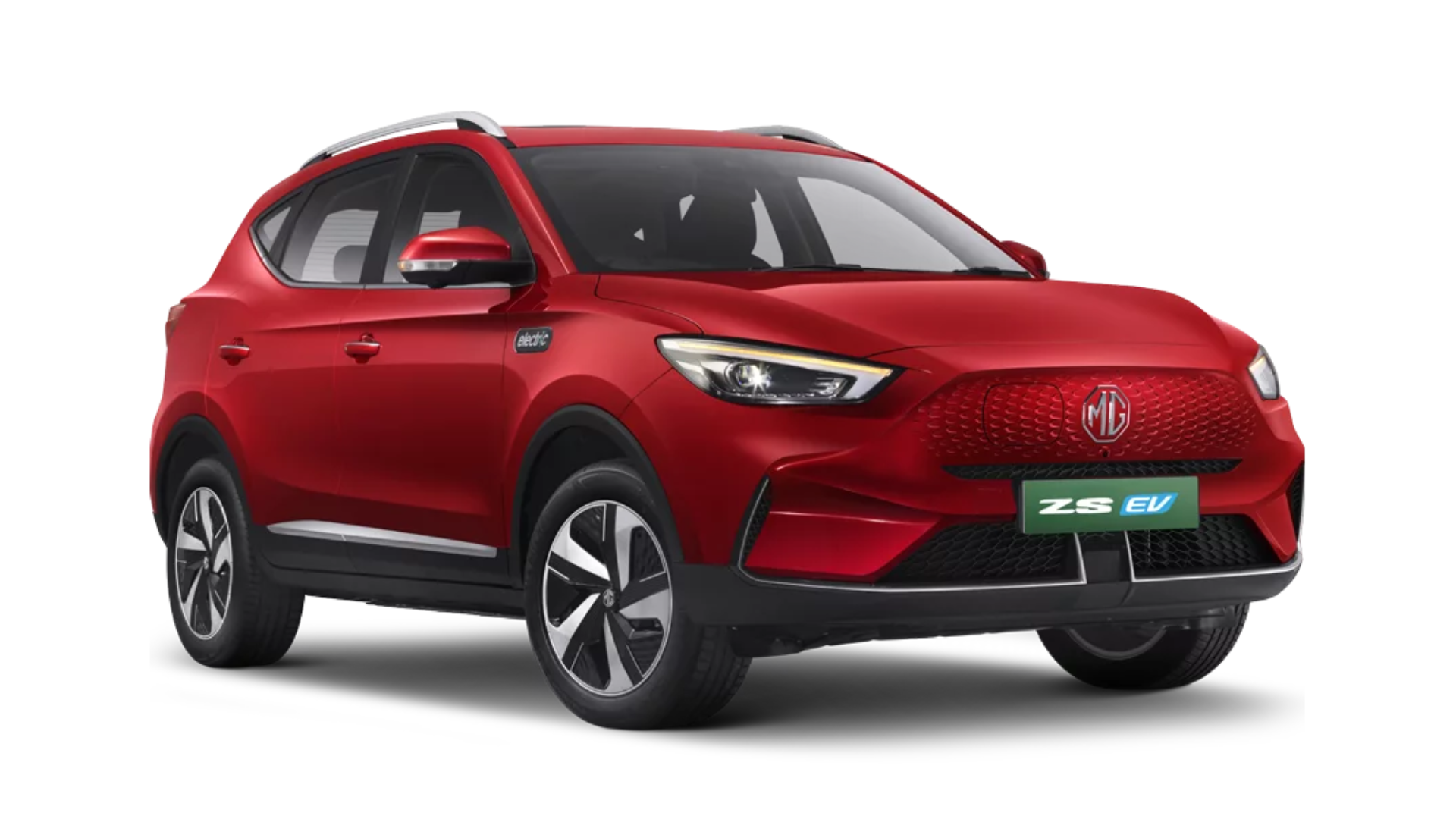
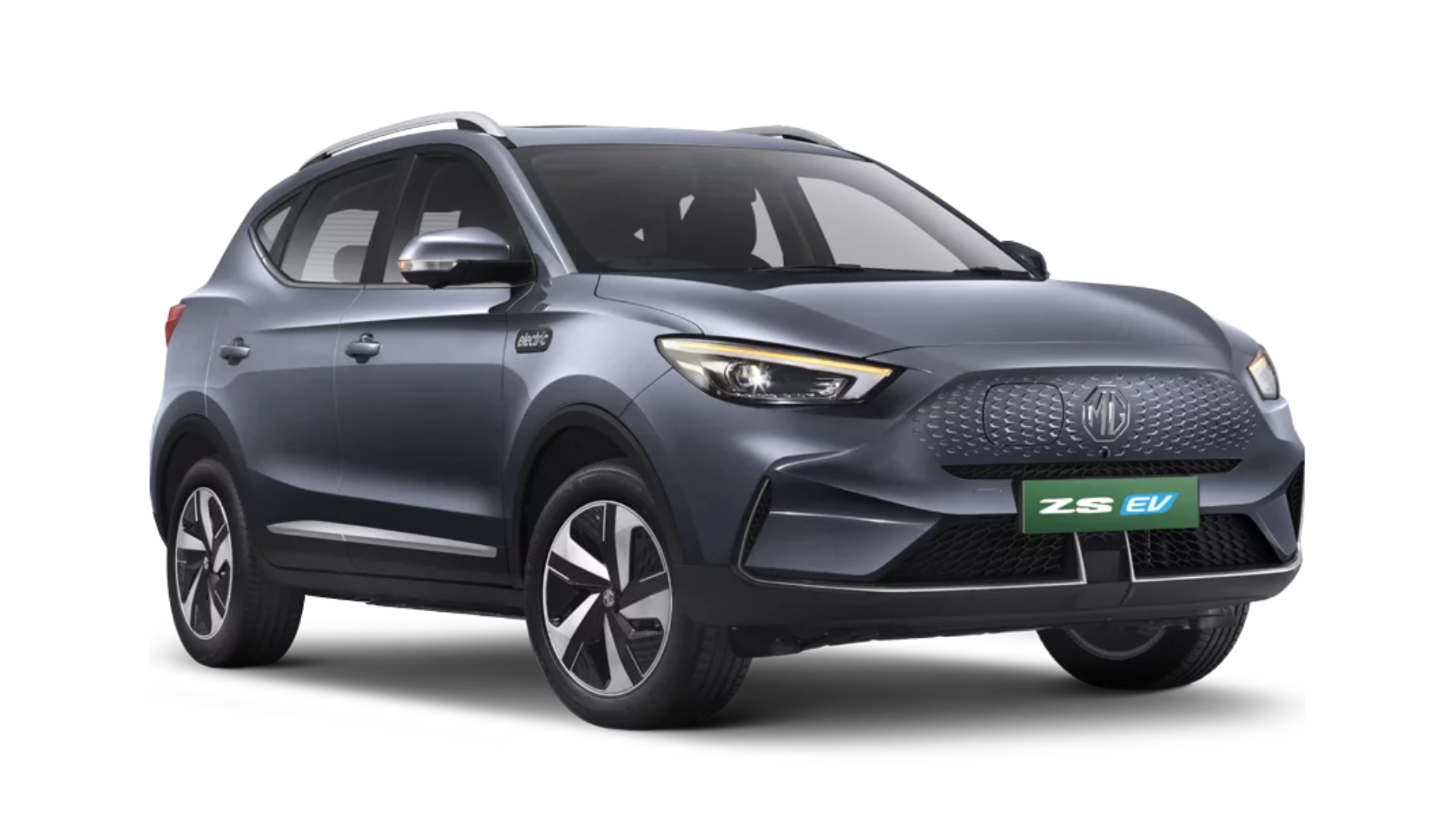
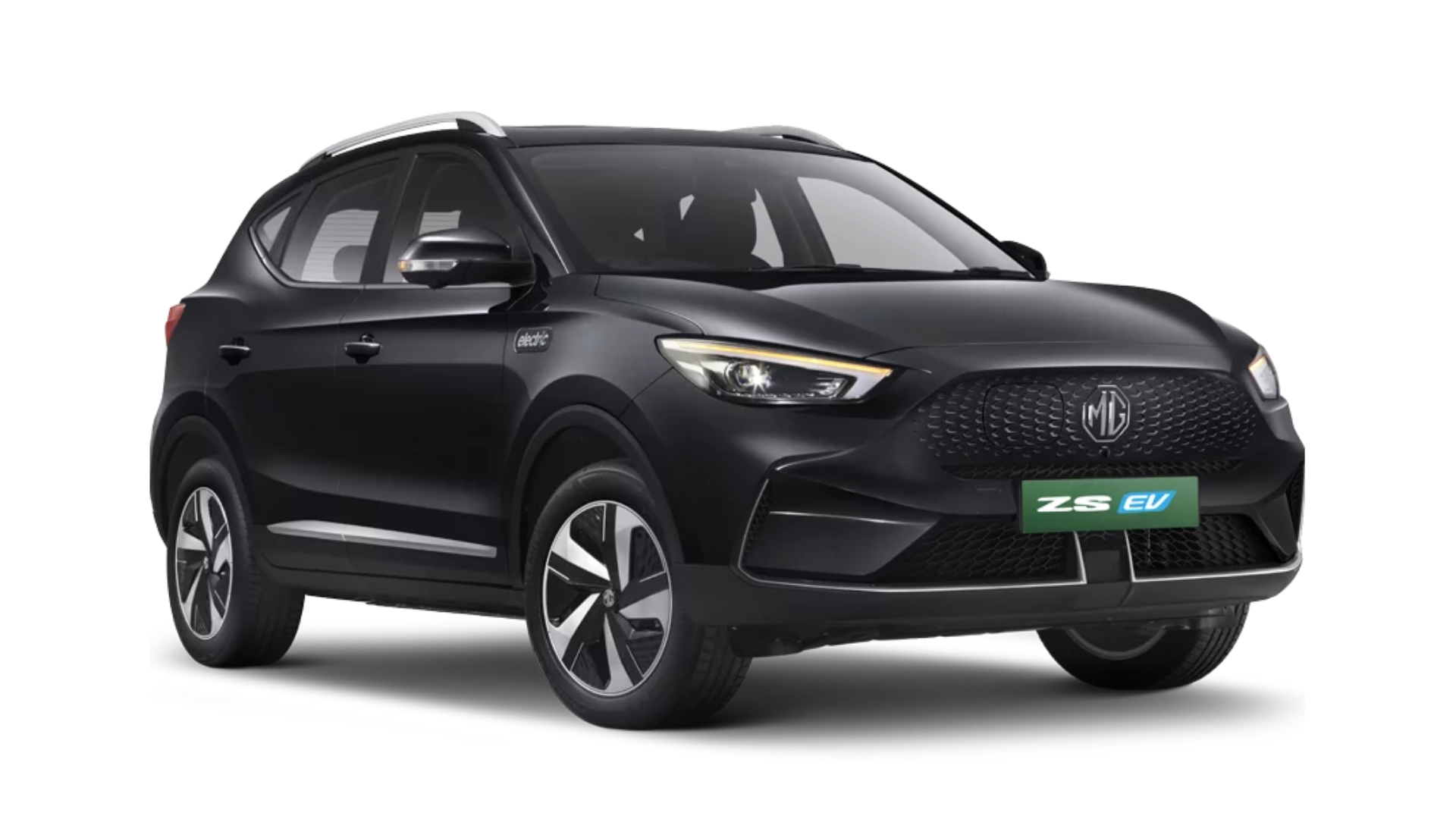
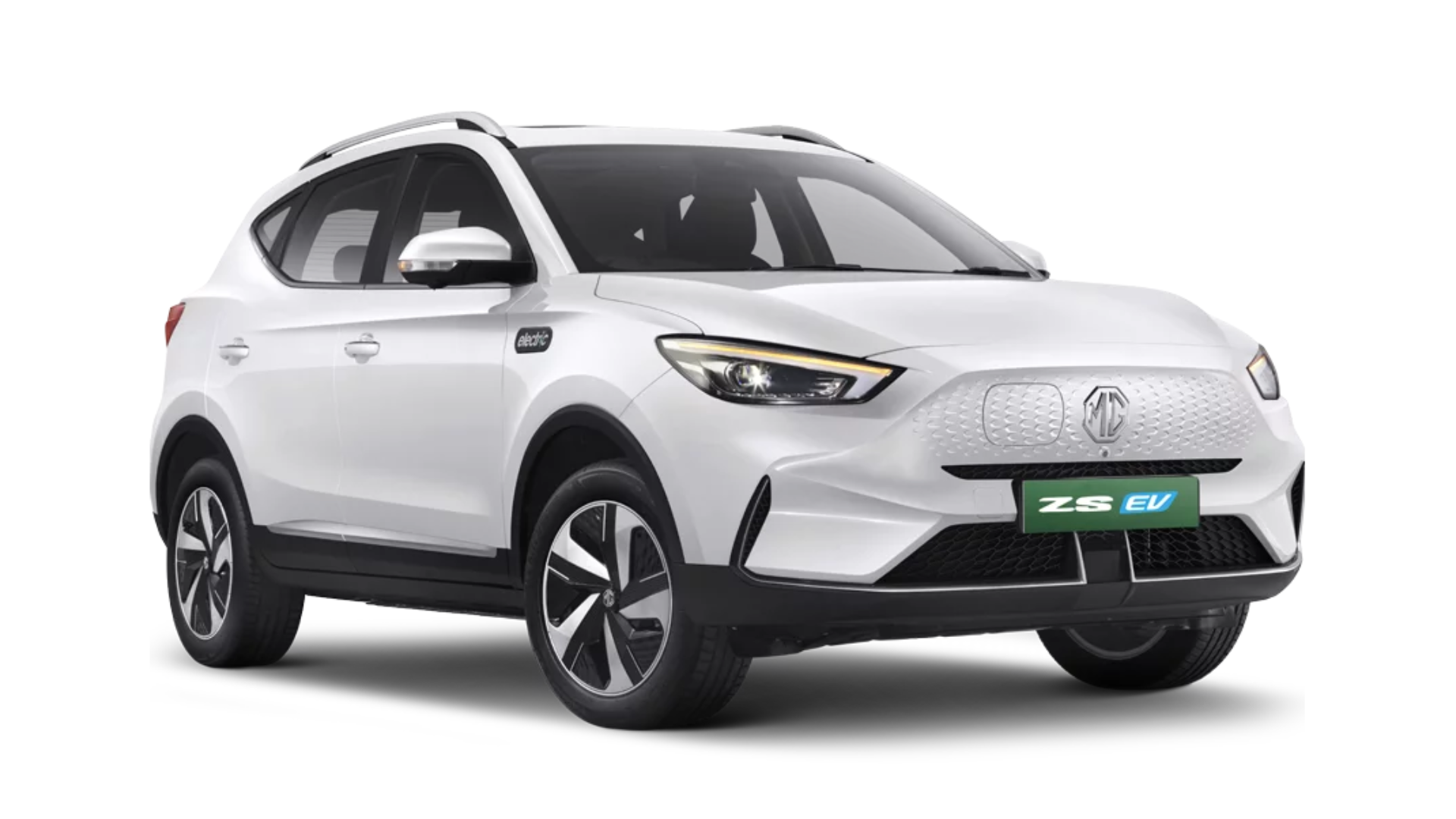
MG ZS EV review by ThatsmyEV team
India's original midsize electric SUV still runs the segment's most democratic battery strategy; its charging speed and its crash paperwork have not kept pace with 2026.
Our Take
The thesis. The ZS EV helped open India's electric SUV market in January 2020 and received its long-range 50.3 kWh battery in the 2022 facelift. Six years in, it is the veteran of a segment now crowded with born-EV rivals, and its 2 January 2026 price sheet of Rs 17.99 lakh to Rs 20.75 lakh (ex-showroom) sets up a very specific bet: one big battery, one strong motor and a proven ownership package on every variant, against newer platforms that charge faster and carry fresher crash certificates.
Battery
The pack. All five variants use the same liquid-cooled 50.3 kWh prismatic-cell LFP battery certified for a 461 km MIDC driving range. That works out to about 9.2 km per certified kWh, right alongside the Tata Curvv EV 55's 9.1 (502 km from 55 kWh) and behind nothing meaningful in the class. Note that Hyundai's 510 km claim for the Creta Electric 51.4 kWh is certified under a different test protocol, so the headline numbers are not perfectly comparable across brands.
Charging
The weakness first. The ZS EV's DC fast-charging support is capped at 50 kW, which means 0-80% takes about 60 minutes even on a more powerful public charger. The Tata Curvv EV 55 accepts 70 kW and does 10-80% in about 40 minutes, the Hyundai Creta Electric 51.4 kWh quotes roughly 50 minutes for 10-80%, and the Mahindra BE 6 claims 20-80% in about 20 minutes on a 175 kW charger. For a car pitched partly on its 461 km MIDC driving range, this is the single spec most in need of an update, and highway users should plan meal-length charging stops rather than coffee-length ones.
Driving feel
Performance. The front-mounted permanent magnet synchronous motor's 176.75 PS and 280 Nm deliver a claimed 0-100 km/h in 8.5 seconds and a 175 km/h top speed. In class context that is quicker than the Tata Curvv EV 55's 8.6 seconds, a shade behind the Hyundai Creta Electric 51.4 kWh's 7.9 seconds, and well behind the Mahindra BE 6 79 kWh's 6.7 seconds, though the BE 6 asks Rs 26.90 lakh for that tune. What matters more day to day is that the ZS EV's full output is present from the Rs 17.99 lakh base variant, where rivals ration power by battery size.
Safety
What every variant gets. 6 airbags (dual front, side and curtain), ESC, ABS with EBD and brake assist, TPMS, hill start assist, hill descent control, ISOFIX anchors, all-wheel disc brakes, an electric parking brake with auto hold, and 3-point seatbelts with reminders for all seats. That is a genuinely strong floor; the Hyundai Creta Electric matches 6 airbags standard, and the Maruti e Vitara goes one better with 7.
Interior and technology
Cabin and screens. Every variant carries the 25.7 cm (10.1 inch) HD touchscreen, which MG claims is the largest in the segment, plus a 17.78 cm (7 inch) embedded LCD digital cluster. The dashboard design is shared with the Astor and feels conventional next to the Curvv EV's 31.24 cm screen or the BE 6's twin 12.3 inch displays, but it is legible and the layout is easy to learn. Exclusive Plus and above add manmade-leather seats and a leather-layered dashboard, door trim and centre console, with the Dual Tone Iconic Ivory theme optional at no extra cost on Exclusive Plus and Essence.
Variant by Variant
Prices below are per MG's sheet effective 2 January 2026. Ex-showroom figures are all-India; on-road figures are for Delhi. Every variant can also be bought under BaaS (battery rental at Rs 4.5 per km) at Rs 13.00 lakh, Rs 13.51 lakh, Rs 14.51 lakh, Rs 14.51 lakh and Rs 15.51 lakh respectively.
The verdict
The ZS EV in 2026 is a car of unusually clear trade-offs. In its favour: the most generous base variant in the segment, with the full 50.3 kWh battery, 461 km MIDC driving range, 176.75 PS and 6 airbags at Rs 17.99 lakh; a battery certification stack and a six-year Indian reliability record no newer rival can match; and an ownership package (free charger installation, e-Shield warranty terms, a claimed 60 paise per km running cost, BaaS with assured buyback) that removes most of the usual EV maths anxiety.