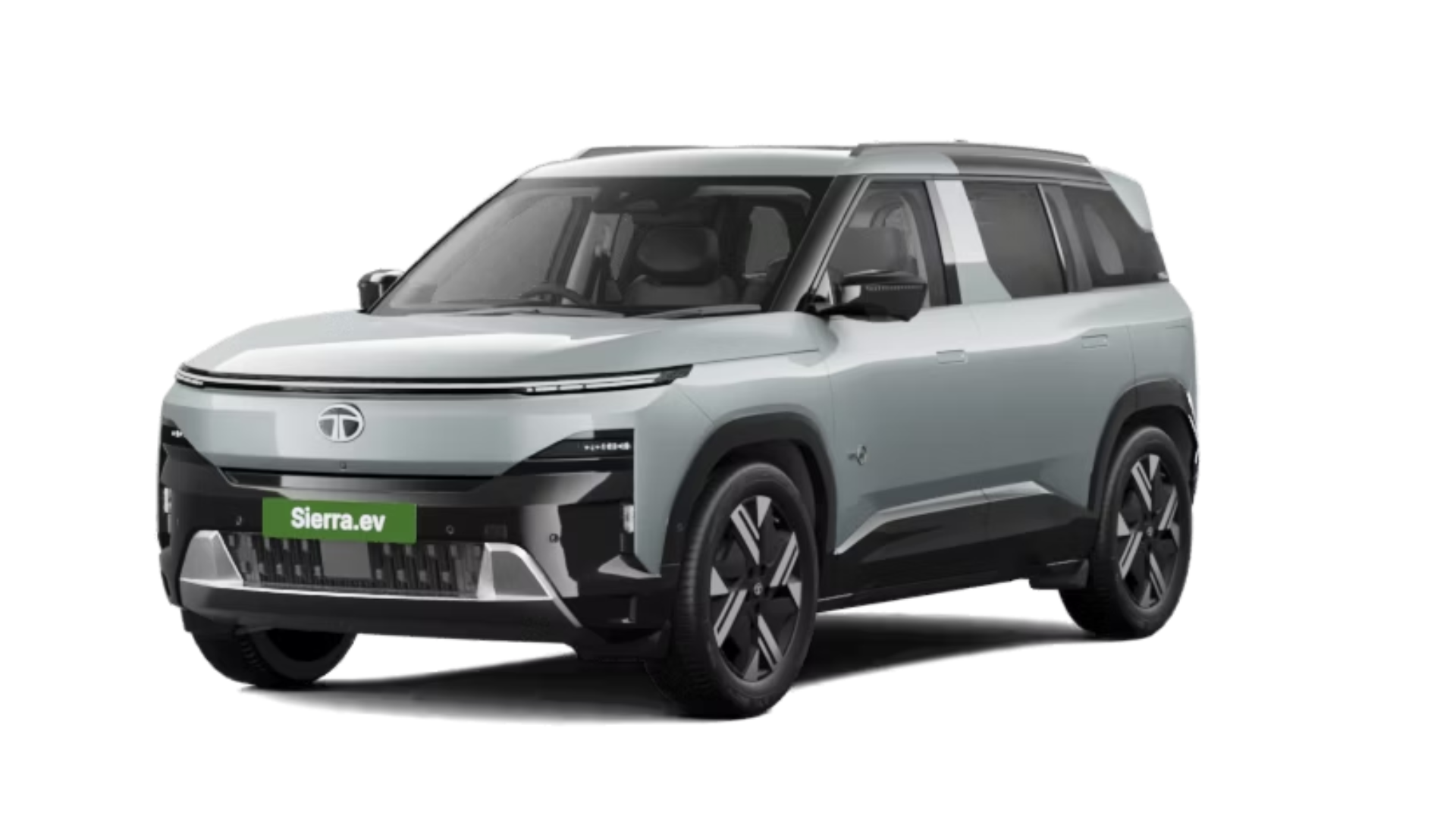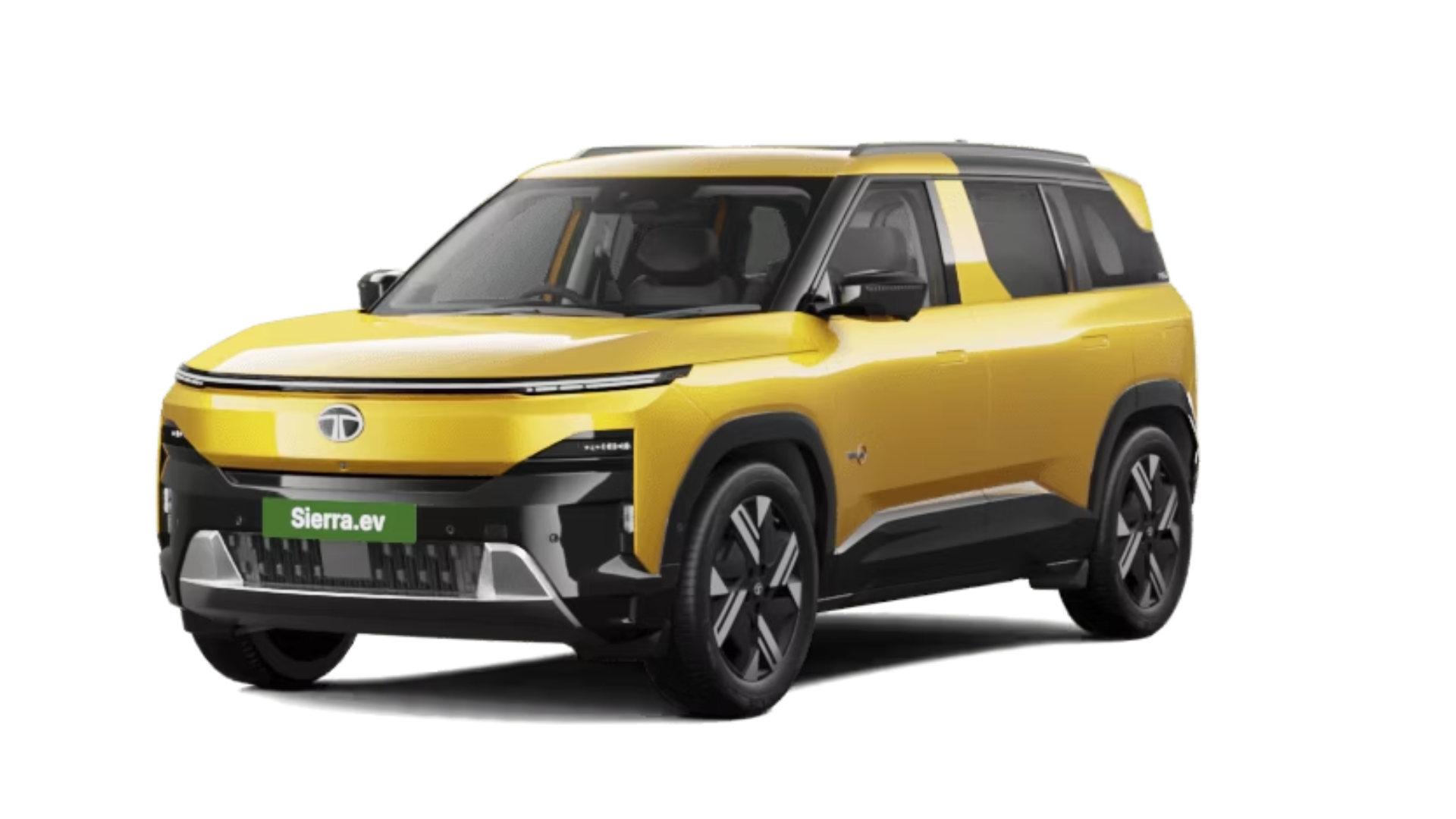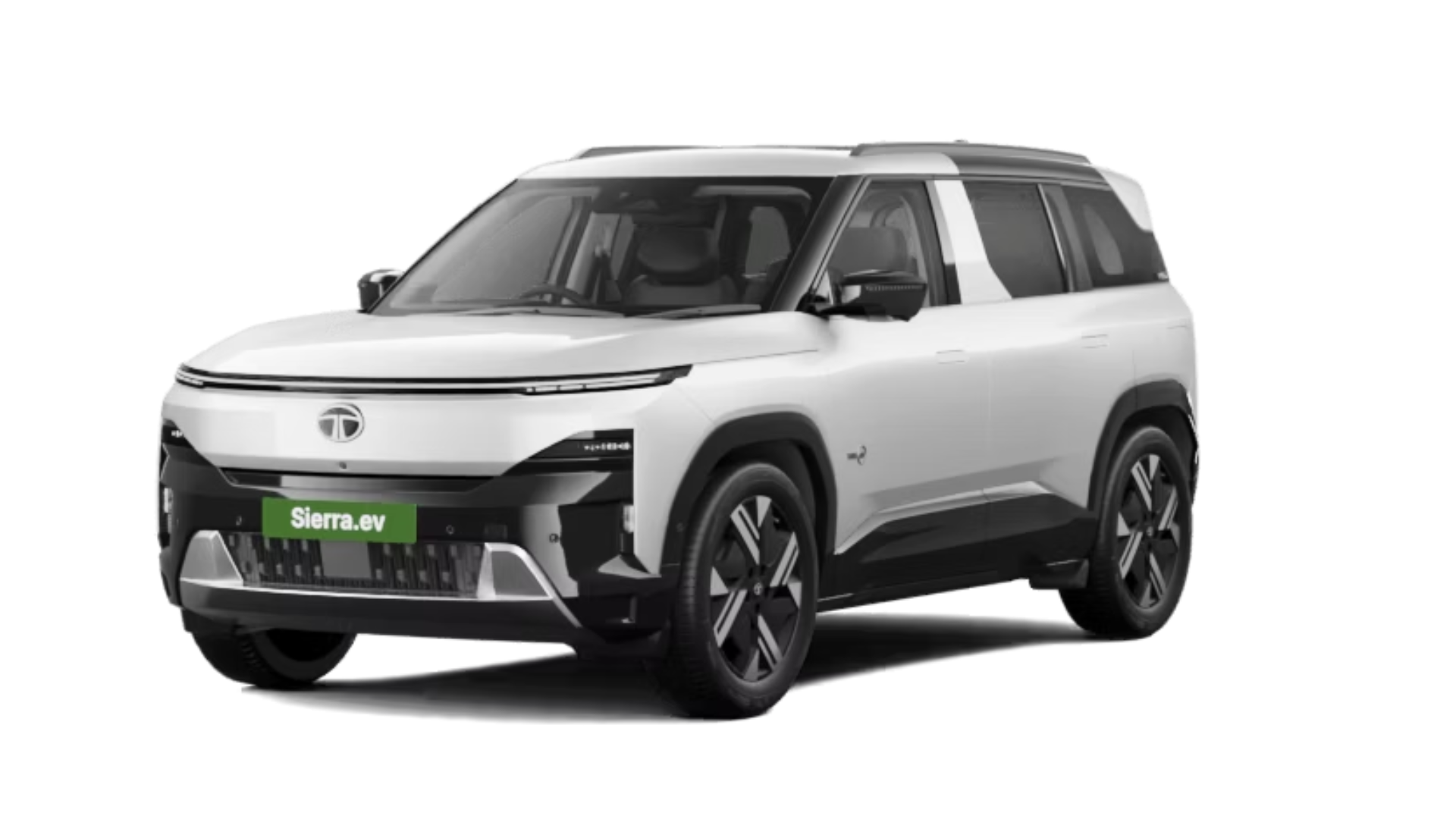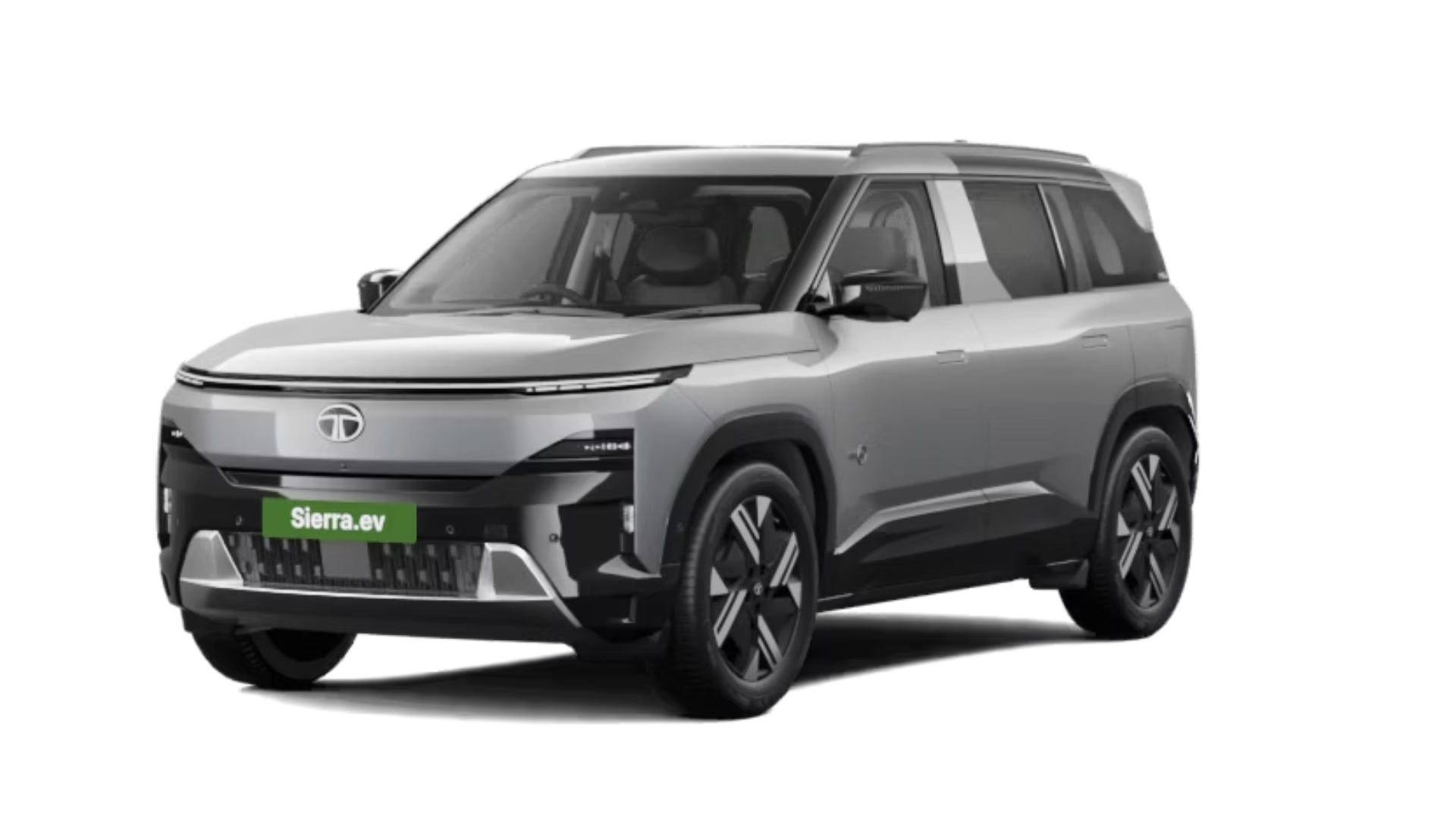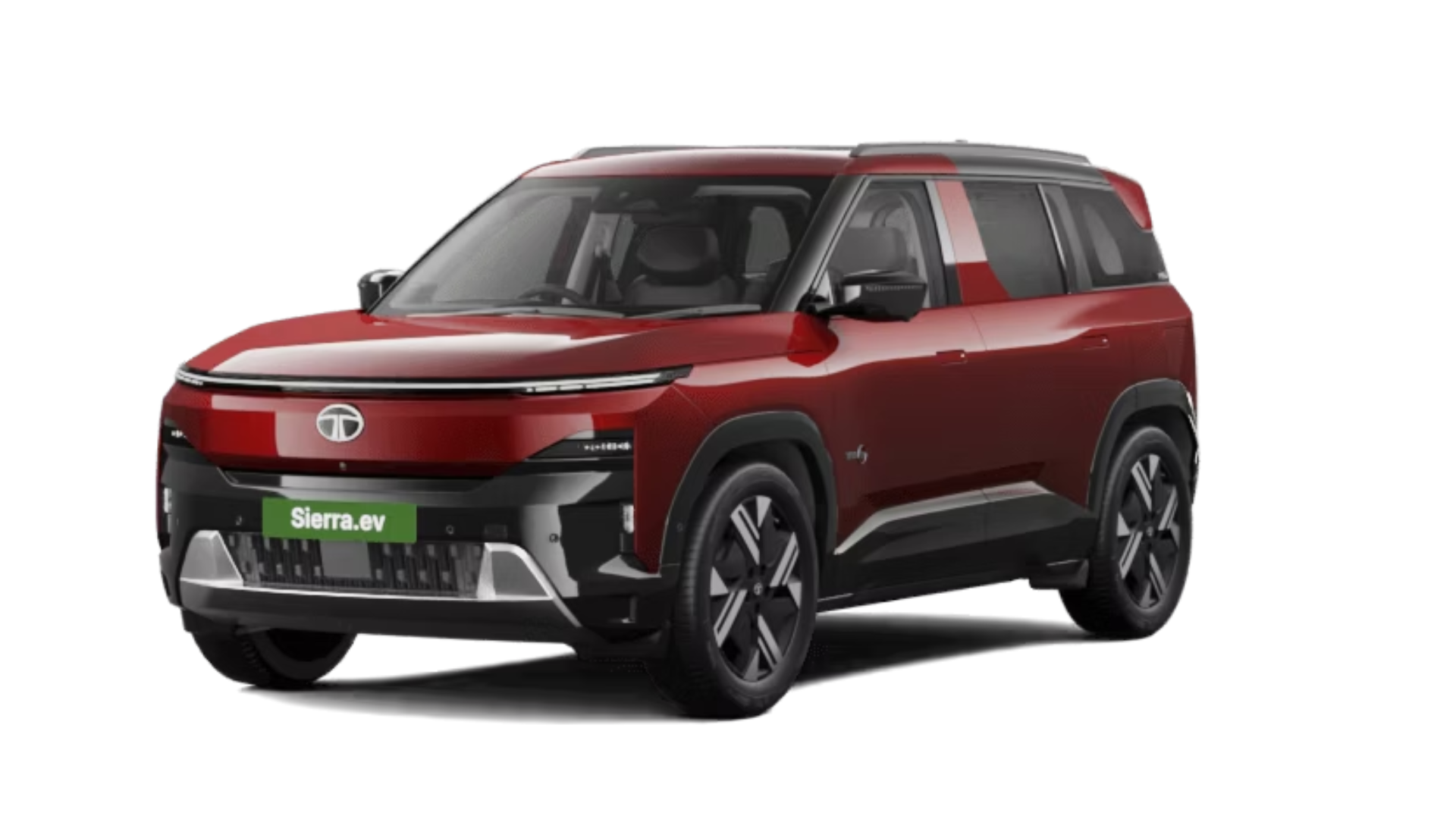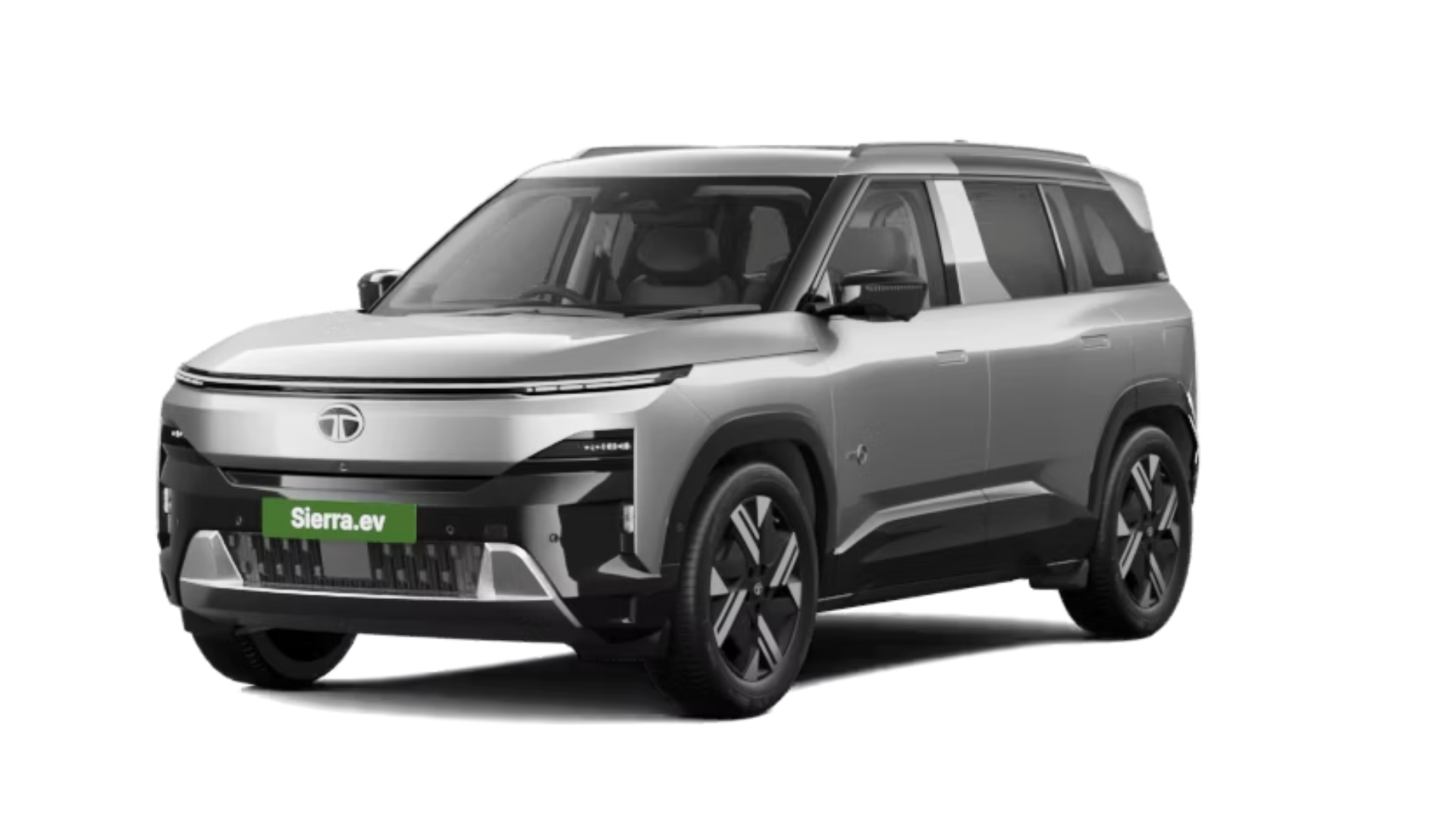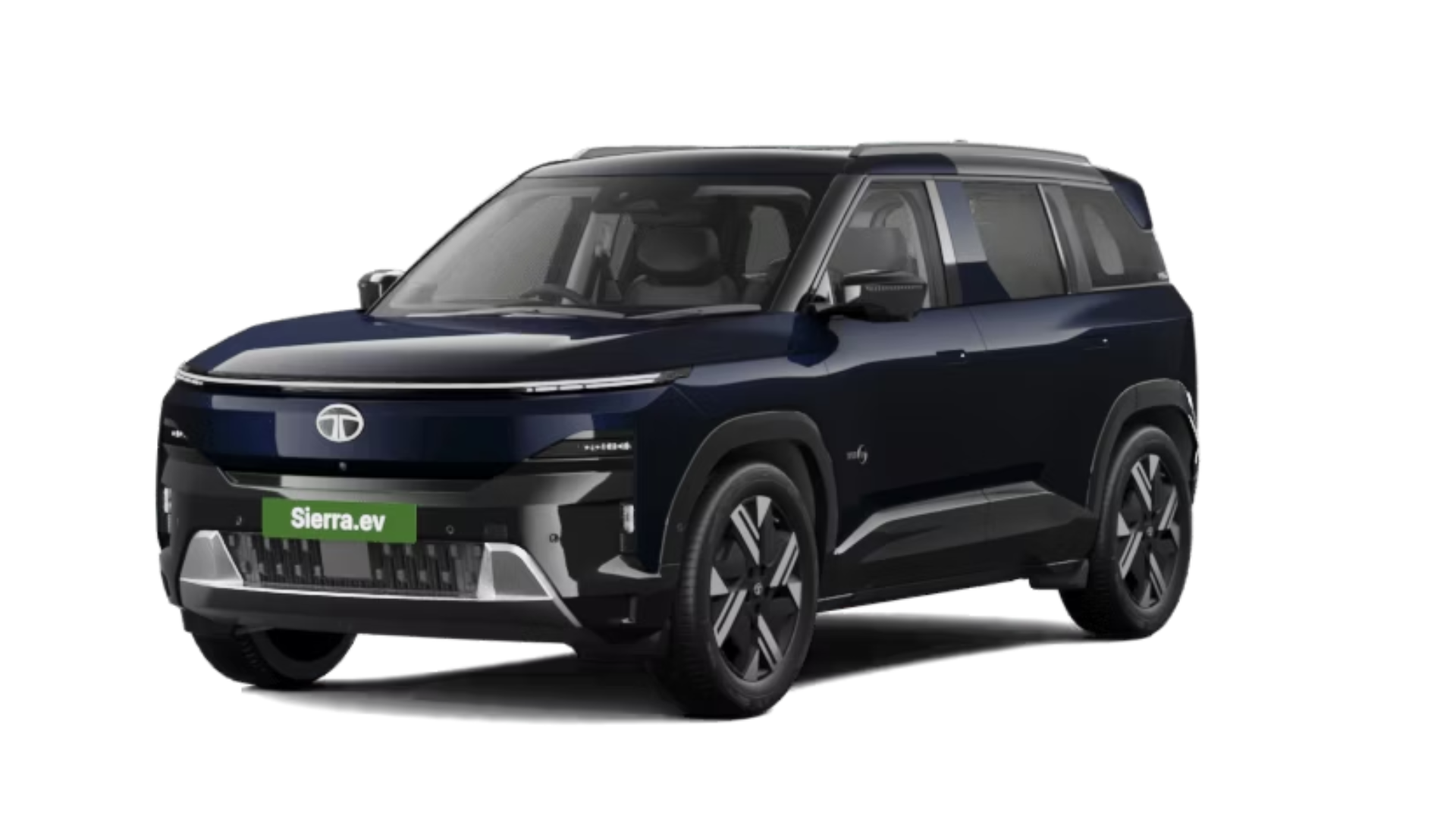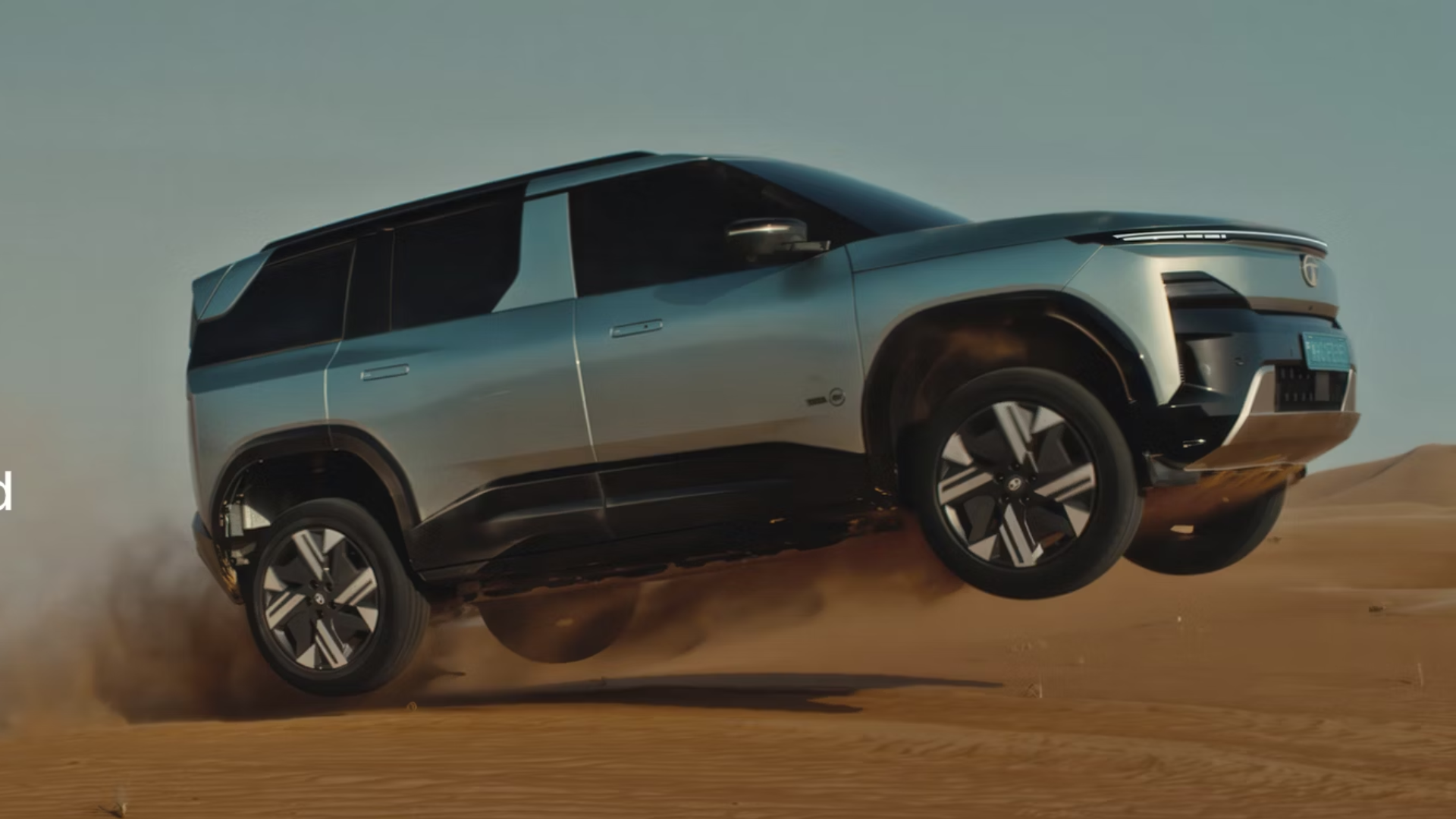
Tata Sierra EV review by ThatsmyEV team
The biggest base battery in its price bracket, and the cheapest way into a Tata AWD EV.
Our Take
The Sierra badge carries genuine nostalgia in India, tied to a boxy, glass-heavy 1990s original with a cult following that long outlived the car itself. Tata has slotted the electric Sierra.ev between its Nexon EV and Curvv EV twins below and the flagship Harrier.ev above, landing squarely in the ₹19 to 26 lakh mid-size electric SUV band that has become genuinely crowded: the Hyundai Creta Electric, Mahindra XEV 9e, Maruti e Vitara and Tata's own Harrier.ev all overlap this bracket.
Battery
Chemistry and cooling. All eight variants use LFP cells with liquid cooling and IP67 ingress protection for both motor and battery pack. The HV battery gets a lifetime warranty (15 years, unlimited km) for the first private owner, stepping down to 10 years or 160,000 km on ownership transfer.
Charging
DC fast charging. The 63 kWh variants support up to 110 kW DC and the 75 kWh variants up to 120 kW DC, both completing a 20 to 80 percent top-up in roughly 25 to 26 minutes. That beats the Hyundai Creta Electric's 50 kW DC charger, which needs 58 minutes for a 10 to 80 percent charge, and the Maruti e Vitara's 70 to 100 kW DC setup, which takes 45 minutes over the same window. It trails the Mahindra XEV 9e and BE 6, whose 140 to 175 kW chargers complete a 20 to 80 percent charge in 20 minutes, and it lands in the same bracket as Tata's own Harrier.ev, which also charges at 120 kW in about 25 minutes.
Driving feel
Power delivery. The 63 kWh's punchier 238 PS motor makes the entry-level Sierra.ev feel eager off the line in city traffic, useful for quick merges without reaching for a Boost mode it doesn't have. The 75 kWh RWD variant is the calmer of the two, tuned to conserve energy over the extra range, though its 315 Nm from a standstill is still enough for confident highway overtakes. The AWD variant's Boost mode and 504 Nm are reserved for buyers who specifically want the extra shove.
Safety
Standard across the range. All eight variants get 6 airbags (driver, co-driver, side, curtain), Electronic Stability Program with 19 sub-features including rollover mitigation and hill descent control, ABS with EBD, ISOFIX child seat anchors and TPMS as standard, a genuinely wide safety floor for a range starting under ₹19 lakh.
Interior and technology
Screens and audio. Pure through Adventure get a single 12.3-inch infotainment touchscreen paired with a 10.25-inch digital cockpit. Empowered and above add the full triple-screen Horizon View setup, a matching passenger-side display alongside the main touchscreen and cluster. Audio steps from an unbranded 8-speaker system on Pure and Pure S to a 12-speaker JBL Black setup with a central speaker, subwoofer, SonicShaft soundbar, Harman AudioworX tuning and Dolby Atmos from Adventure up, a tier above the Hyundai Creta Electric's 8-speaker Bose system on its own range-topping trim.
Variant by Variant
Variant
The verdict
The Sierra.ev doesn't win on any single spec sheet number outright. The XEV 9e has a bigger battery and faster charging, the Harrier.ev has more power and a roomier cabin, and the Creta Electric is more efficient per kWh of battery it carries. What the Sierra.ev does is stack up a set of second-place finishes that add up to real value: the biggest base battery for the money, DC charging that beats every rival except Mahindra's pair, and an AWD variant priced meaningfully below Tata's own flagship EV.