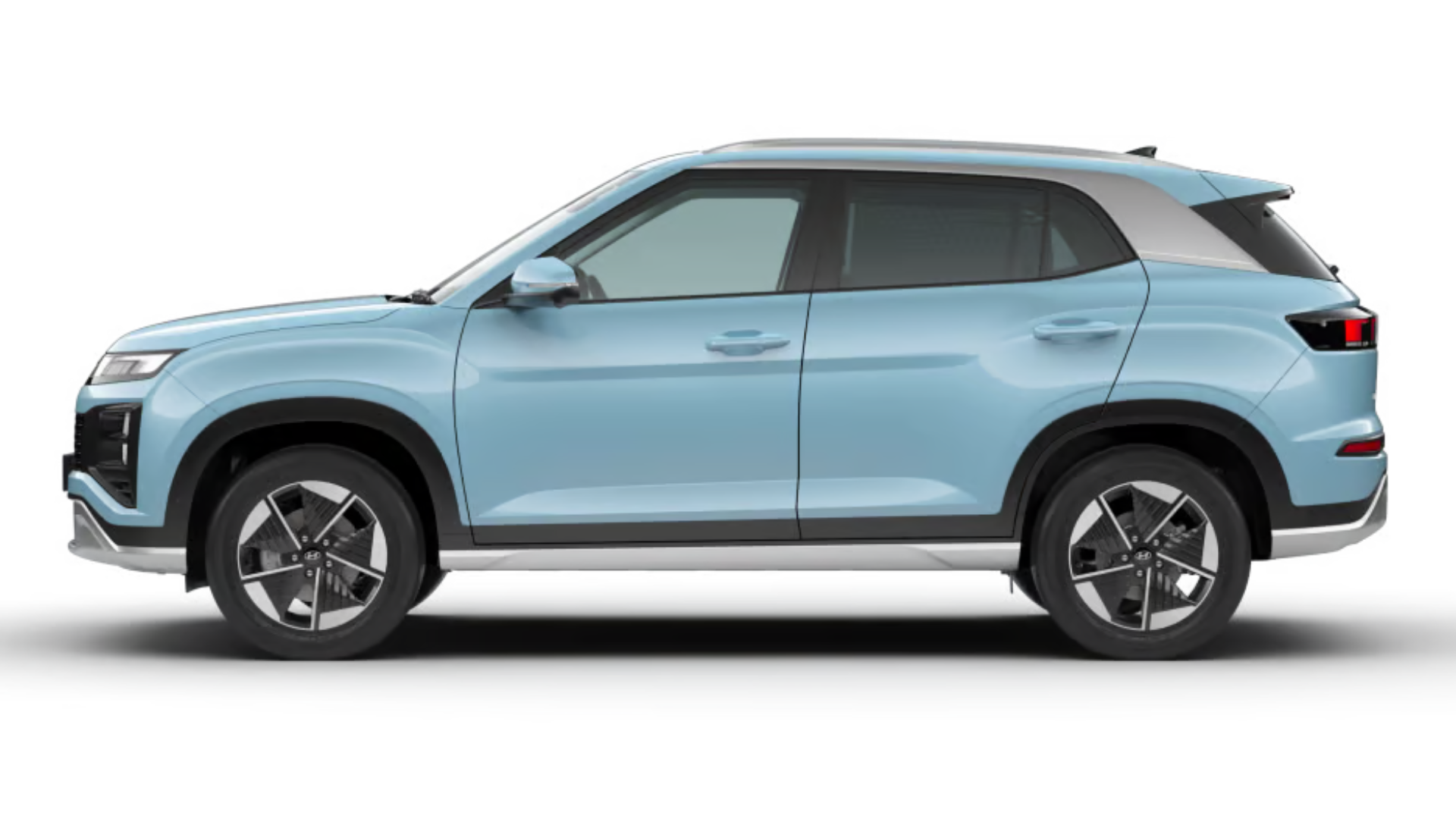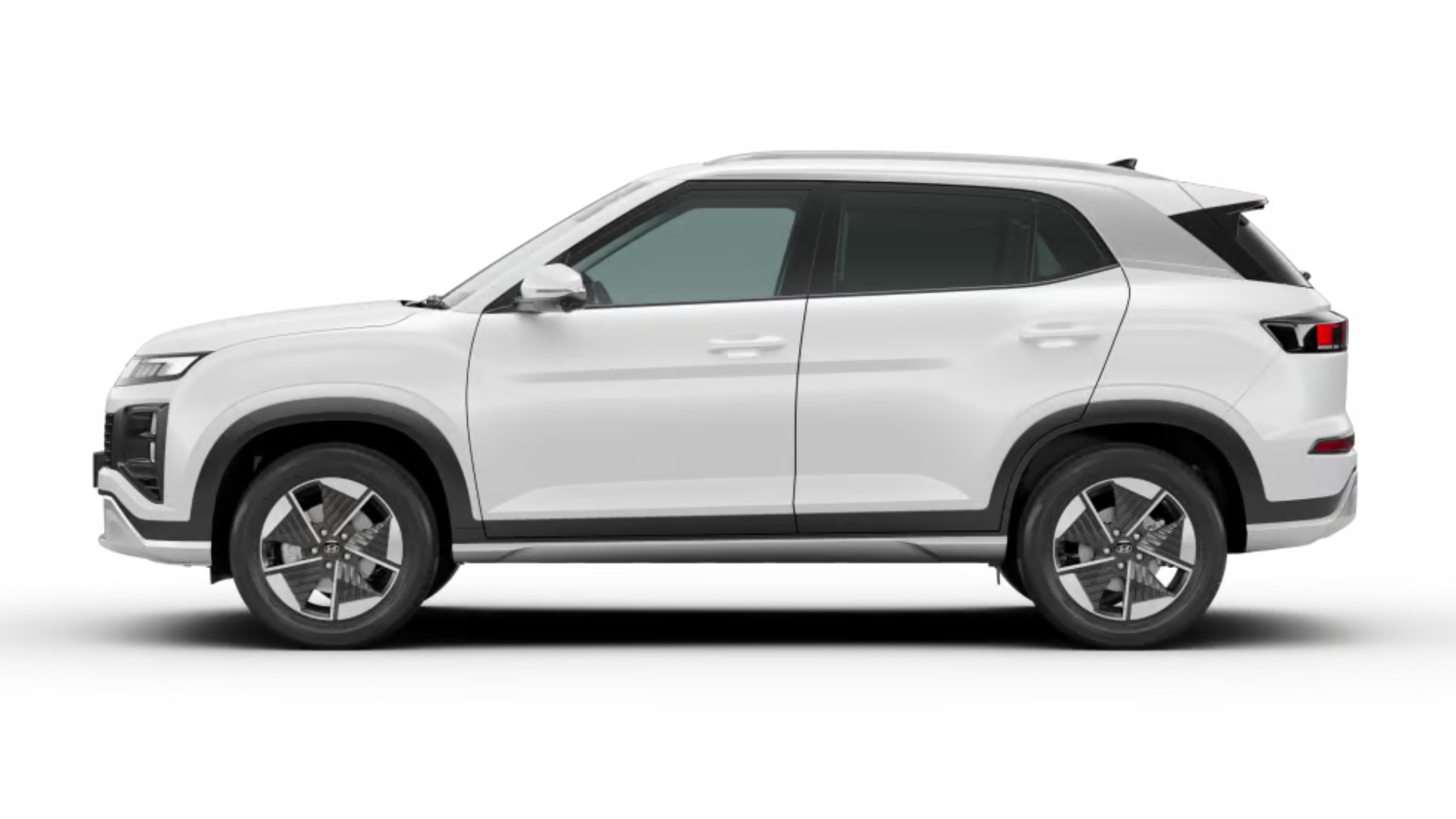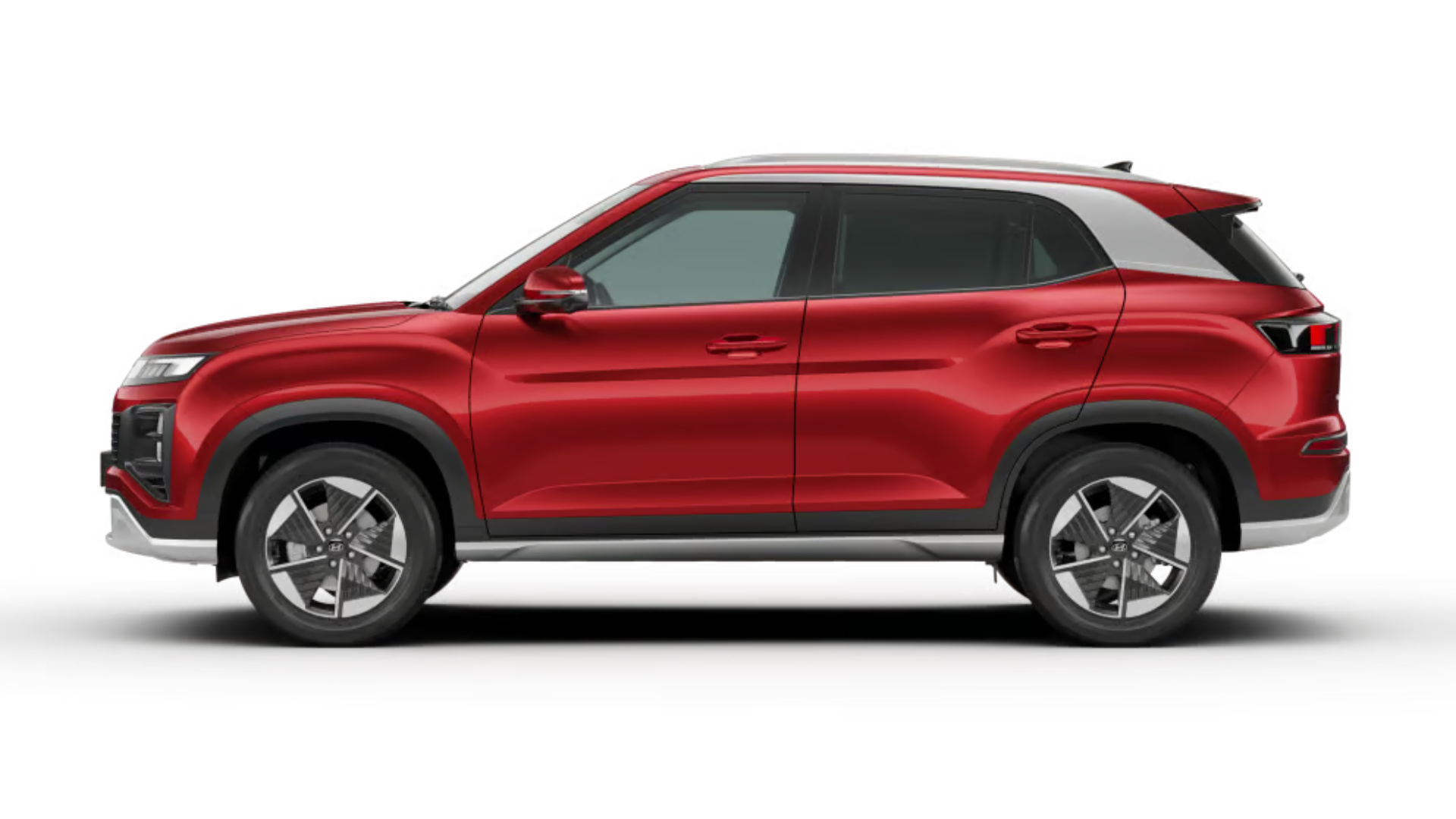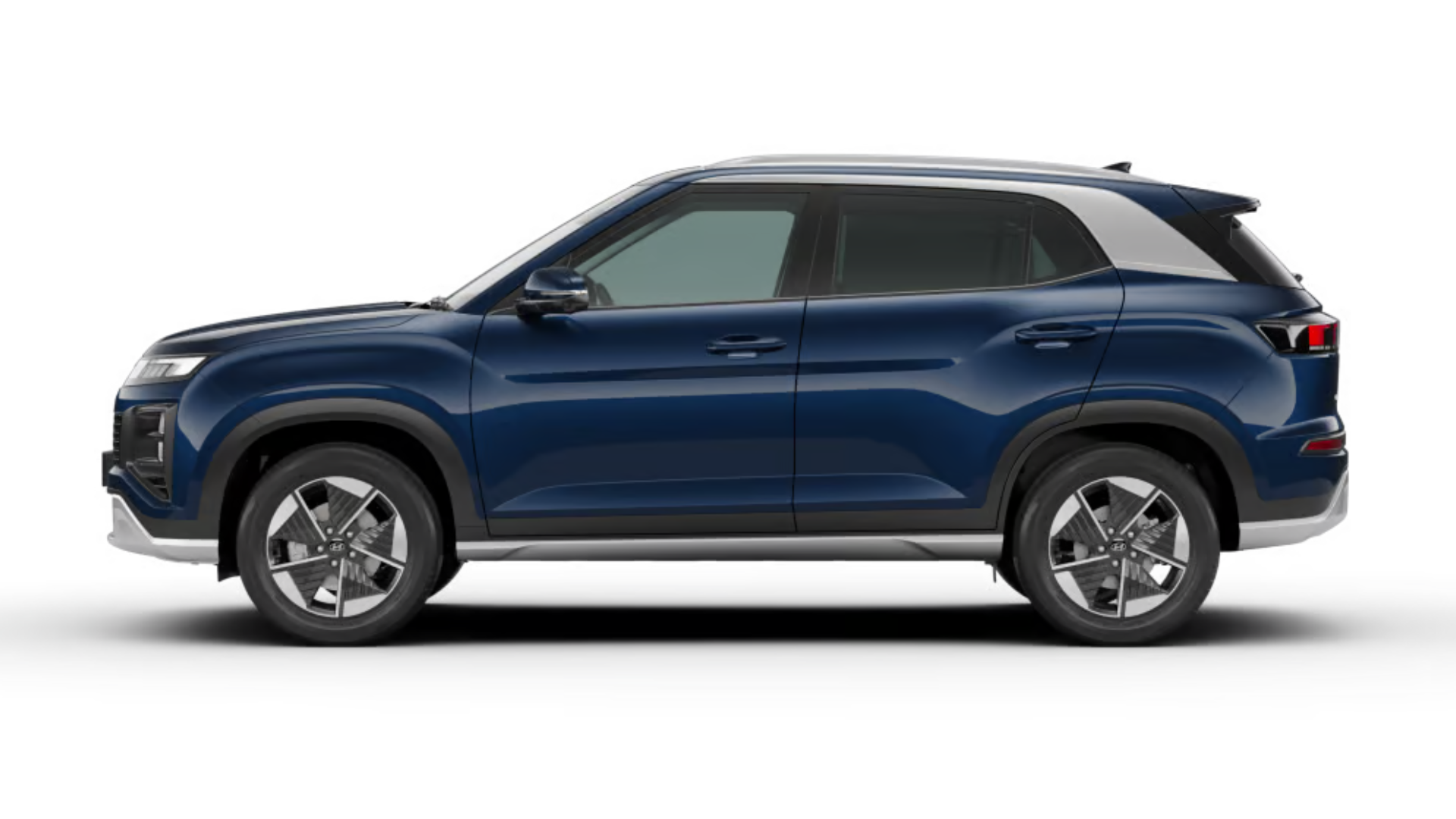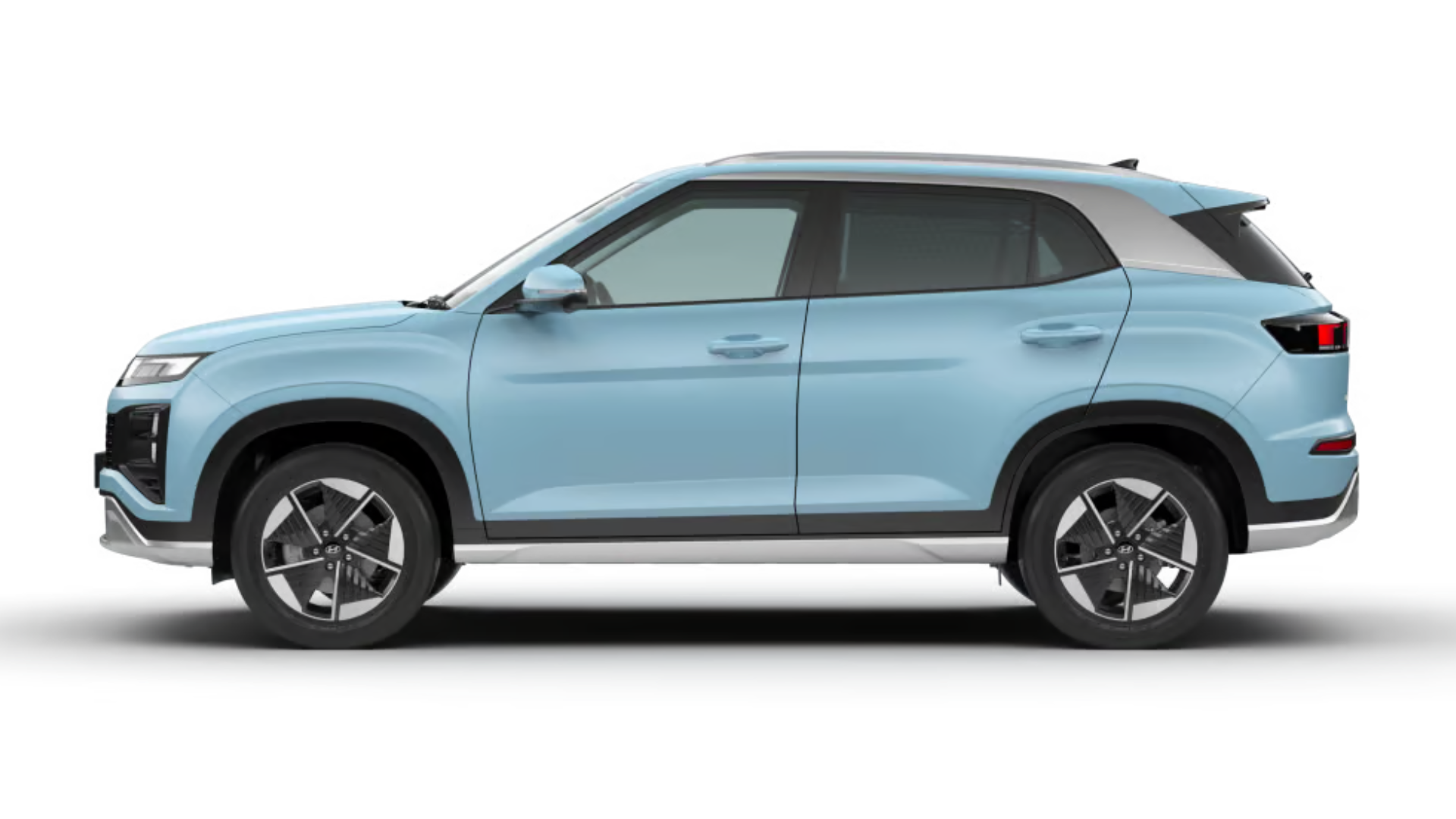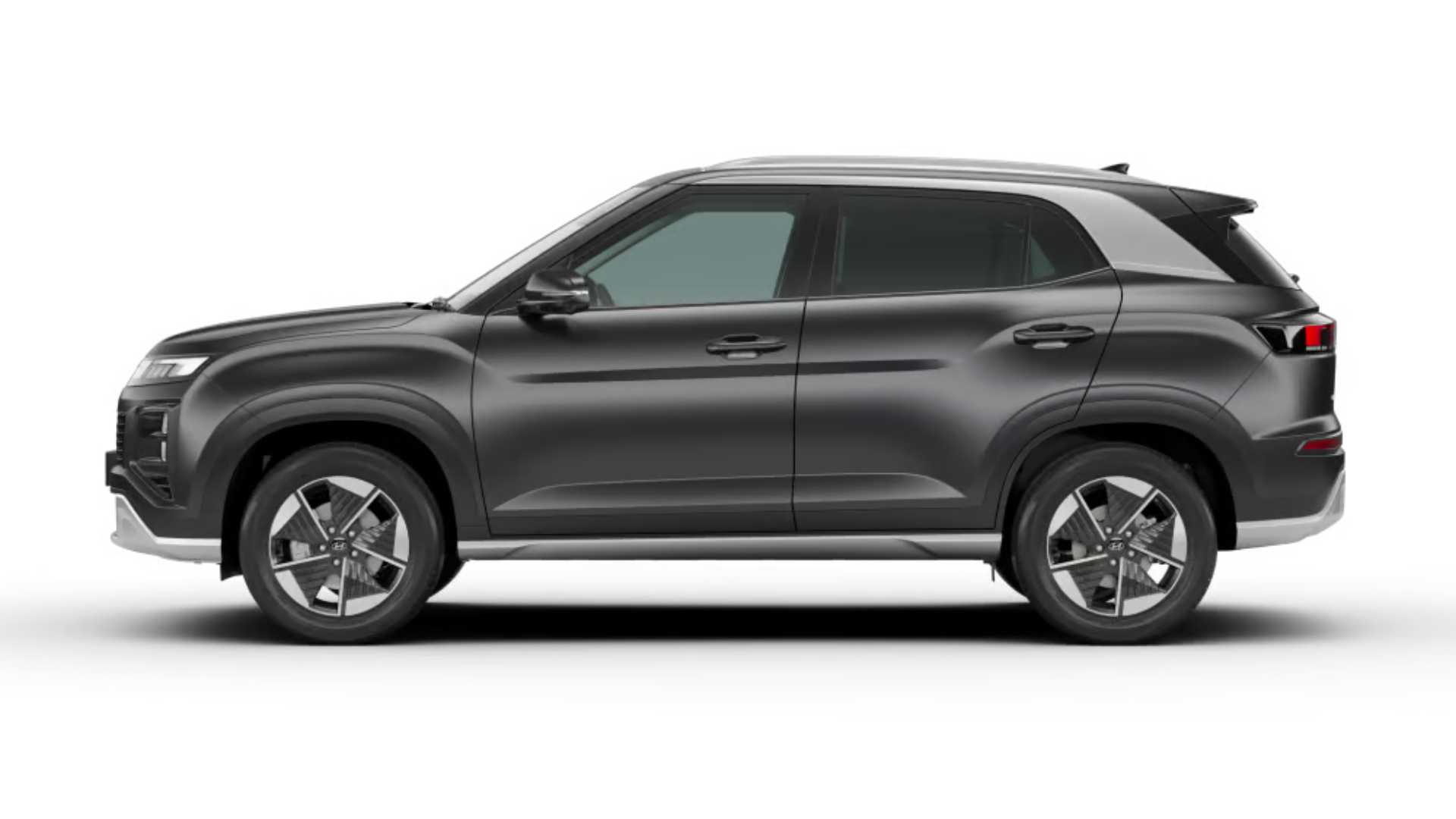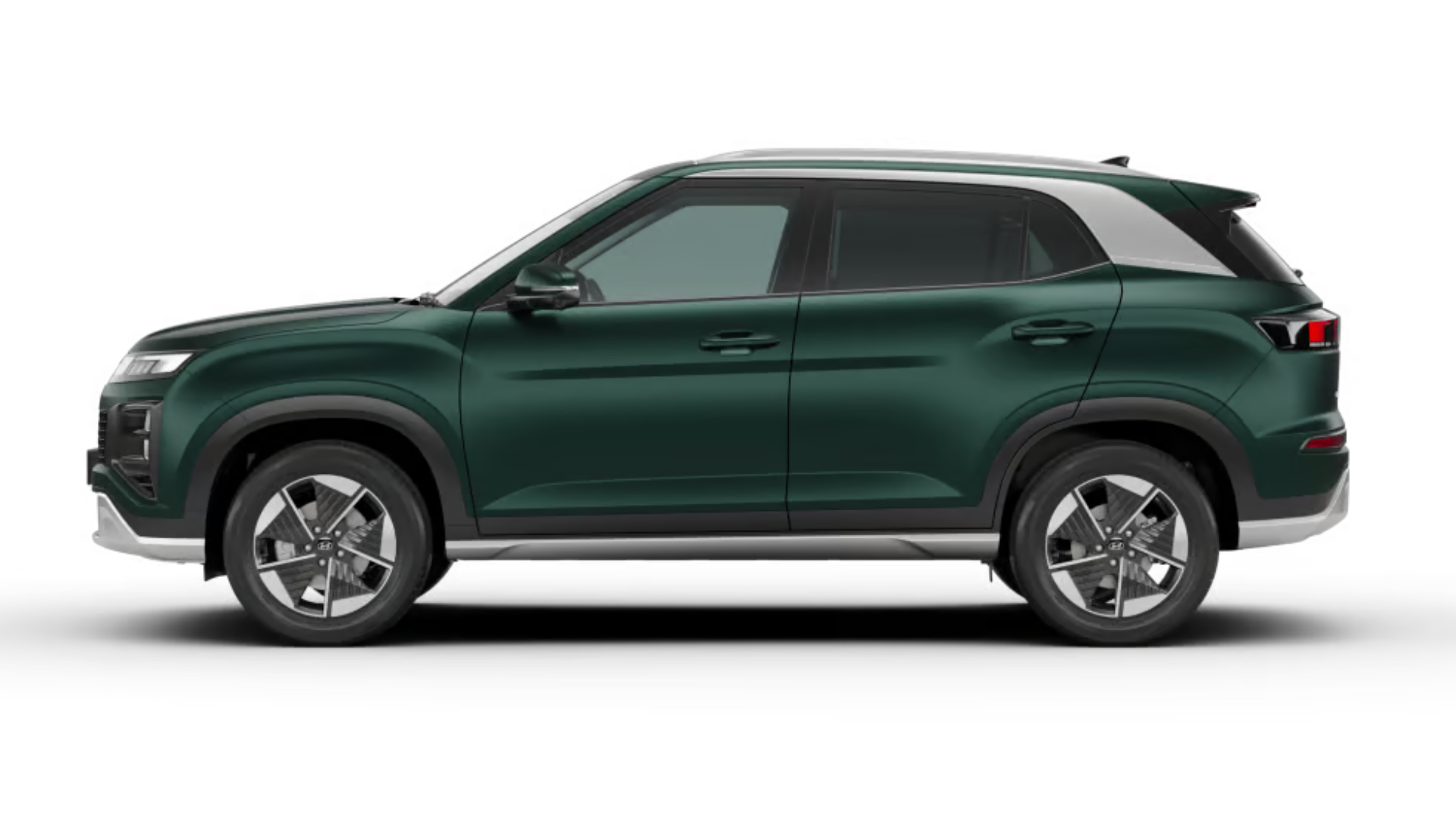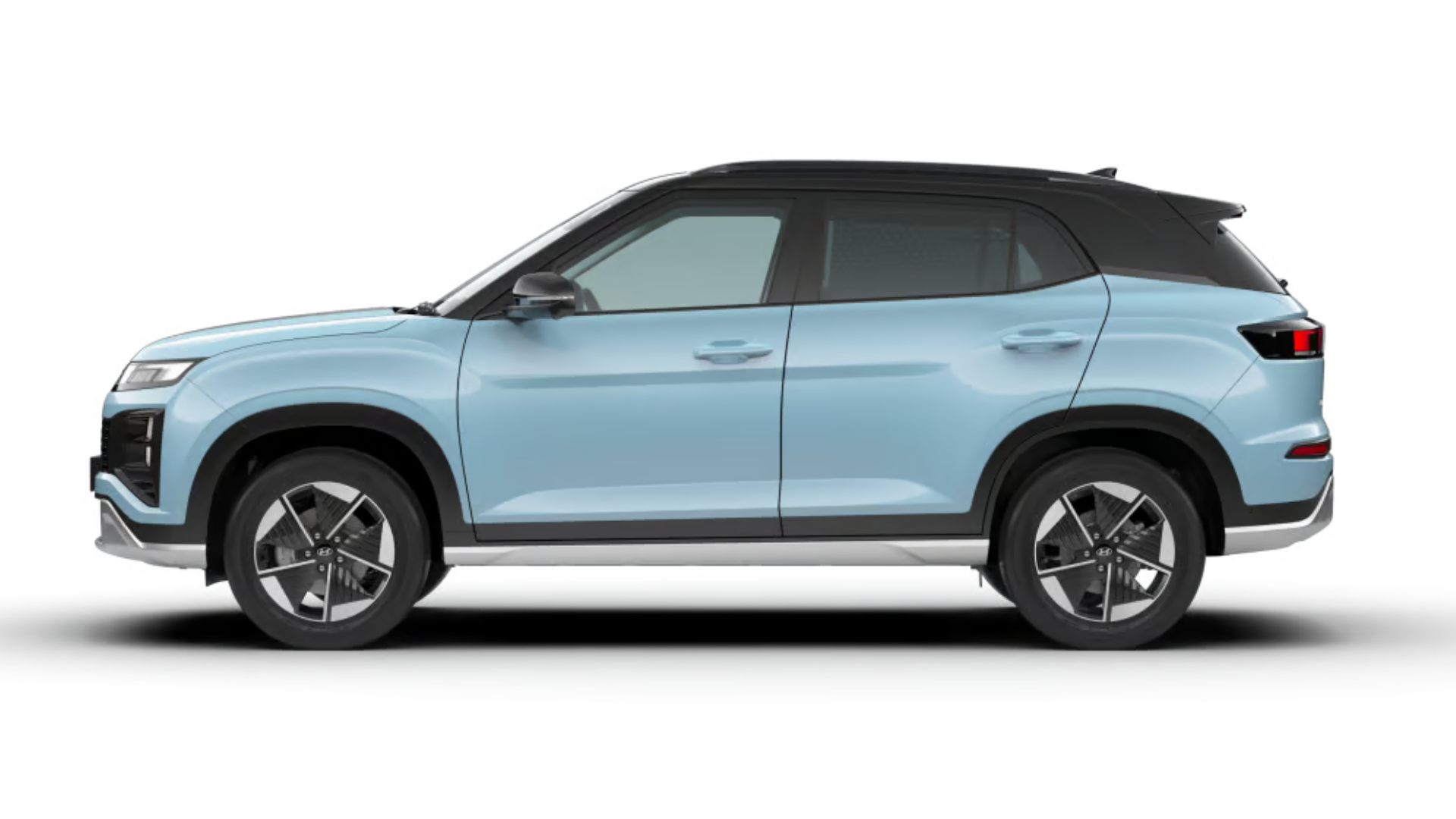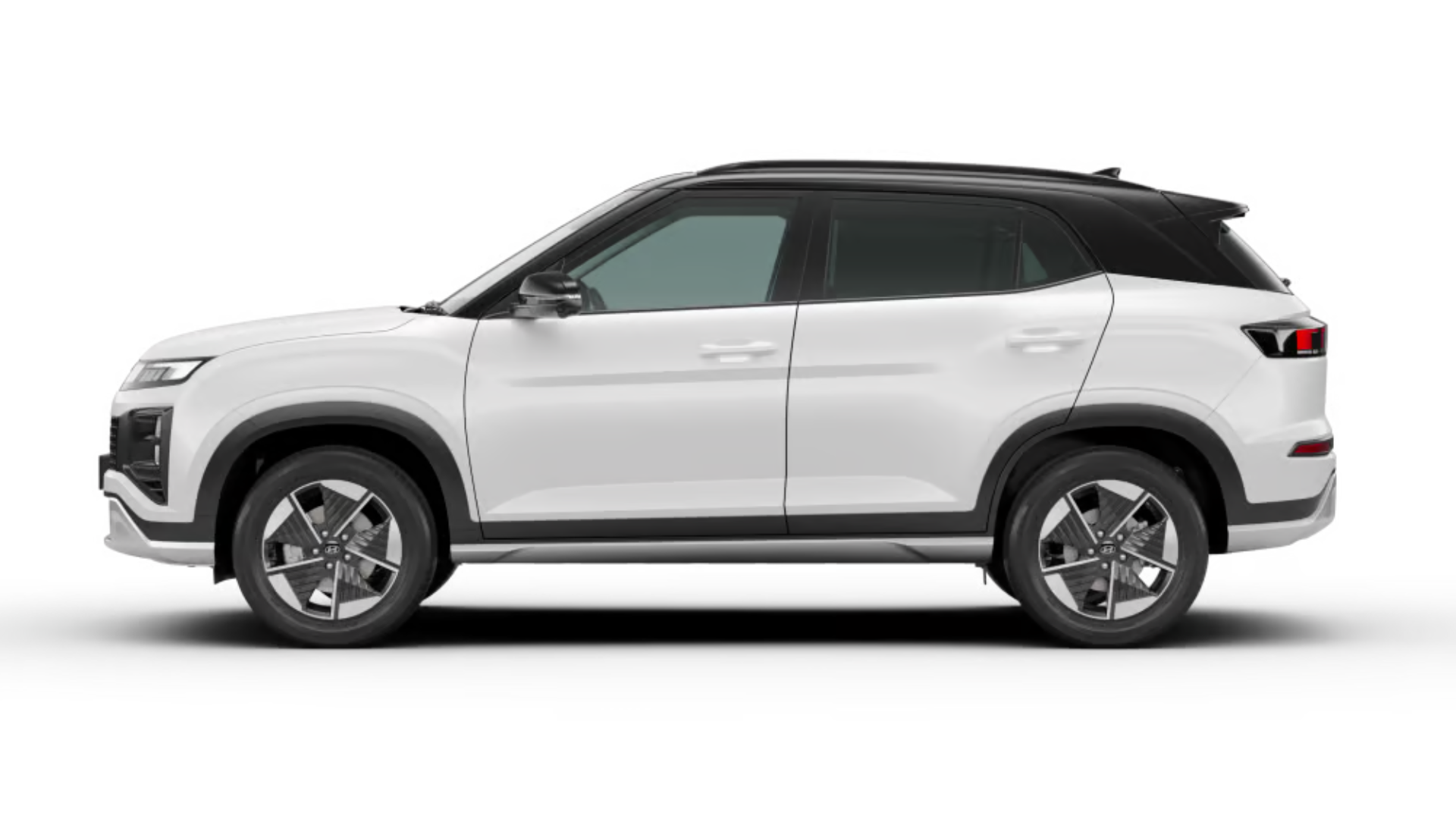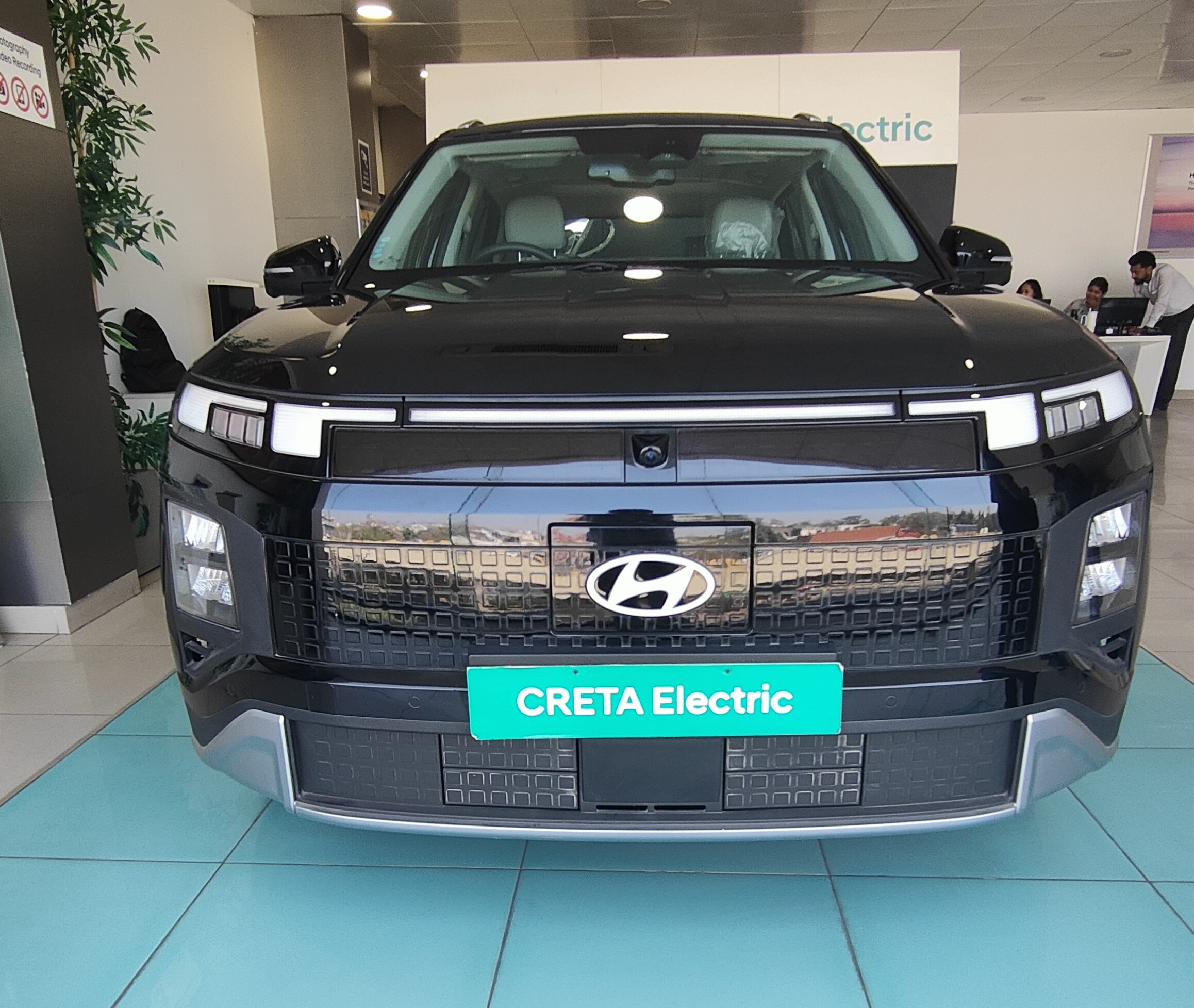
Hyundai Creta Electric review by ThatsmyEV team
Battery as a Service knocks Rs 7,04,000 off the sticker. That is not a discount, it is a bet on how far you drive.
Our Take
The market context. Hyundai launched the Creta Electric in January 2025, carrying the strongest nameplate in the Indian SUV market and a target of 15 percent of the electric car segment. It sold roughly 4,000 units in its first six months and held about 3.9 percent. In the same window the petrol Creta sold close to a lakh. The hardware was not the reason. A car with a 420 km certified MIDC driving range, 39-minute DC charging and 20 ADAS functions does not fail on merit; it fails when a buyer walks into the showroom, sees Rs 18,03,000 against Rs 11,00,000 for the petrol Creta that started the family, and walks back out.
Battery
The hardware. Both packs are liquid-cooled lithium-ion units rated IP67 for dust and water ingress, mounted in the floor of a converted Creta platform rather than a bespoke skateboard. The 42 kWh battery certifies 420 km of MIDC driving range and the 51.4 kWh battery certifies 510 km, with kerb weights of 1,577 kg and 1,680 kg respectively. Liquid cooling matters more in India than the spec line suggests: an air-cooled pack in a Nagpur summer simply cannot hold DC charge rate the way this one can, and it is a large part of why the 39-minute claim survives contact with Indian ambient temperatures at all.
Charging
DC fast charging. Hyundai quotes 10 to 80 percent in 39 minutes, and the brochure is specific that this requires a DC charger rated above 100 kW at 400 volts. Work backwards, and it is honest arithmetic: 36 kWh into the 51.4 kWh pack in 39 minutes is a 55 kW average, and 29.4 kWh into the 42 kWh pack is a 45 kW average. On the 51.4 kWh car that single session buys back roughly 290 to 300 km of usable real-world range, which is a coffee stop rather than a schedule. On a 60 kW charger, which is what most highway sites in India actually deliver, budget closer to an hour.
Driving feel
Performance. The 42 kWh cars make 99 kW, which is 135 PS, and the 51.4 kWh cars make 126 kW, which is 171 PS. Both produce 255 Nm of torque through the front wheels via a single-speed reduction gear, and Hyundai claims 0 to 100 km/h in 7.9 seconds with a 180 km/h top speed. In the real world, the number that counts is the 255 Nm arriving instantly: this is a car that closes a highway overtaking gap without the two downshifts and the diesel clatter that the petrol Creta needs. Eco, Normal and Sport modes change throttle mapping rather than output, so Sport is a sharper pedal and not a different car.
Safety
The structural question nobody has answered. There is no published Bharat NCAP result for the Creta Electric. Not a low one, none at all. The older petrol Creta's 3-star Global NCAP result belongs to a different car with a different floor, a different mass and no battery pack, and it should not be read across. This matters because the comparison set has done the homework: the Maruti e Vitara holds a 5-star Bharat NCAP rating on the HEARTECT-e platform, and the Tata Nexon EV 45 holds a 5-star Bharat NCAP rating too. Buying the Creta Electric on safety means buying on equipment and reputation rather than on an independently verified crash result.
Interior and technology
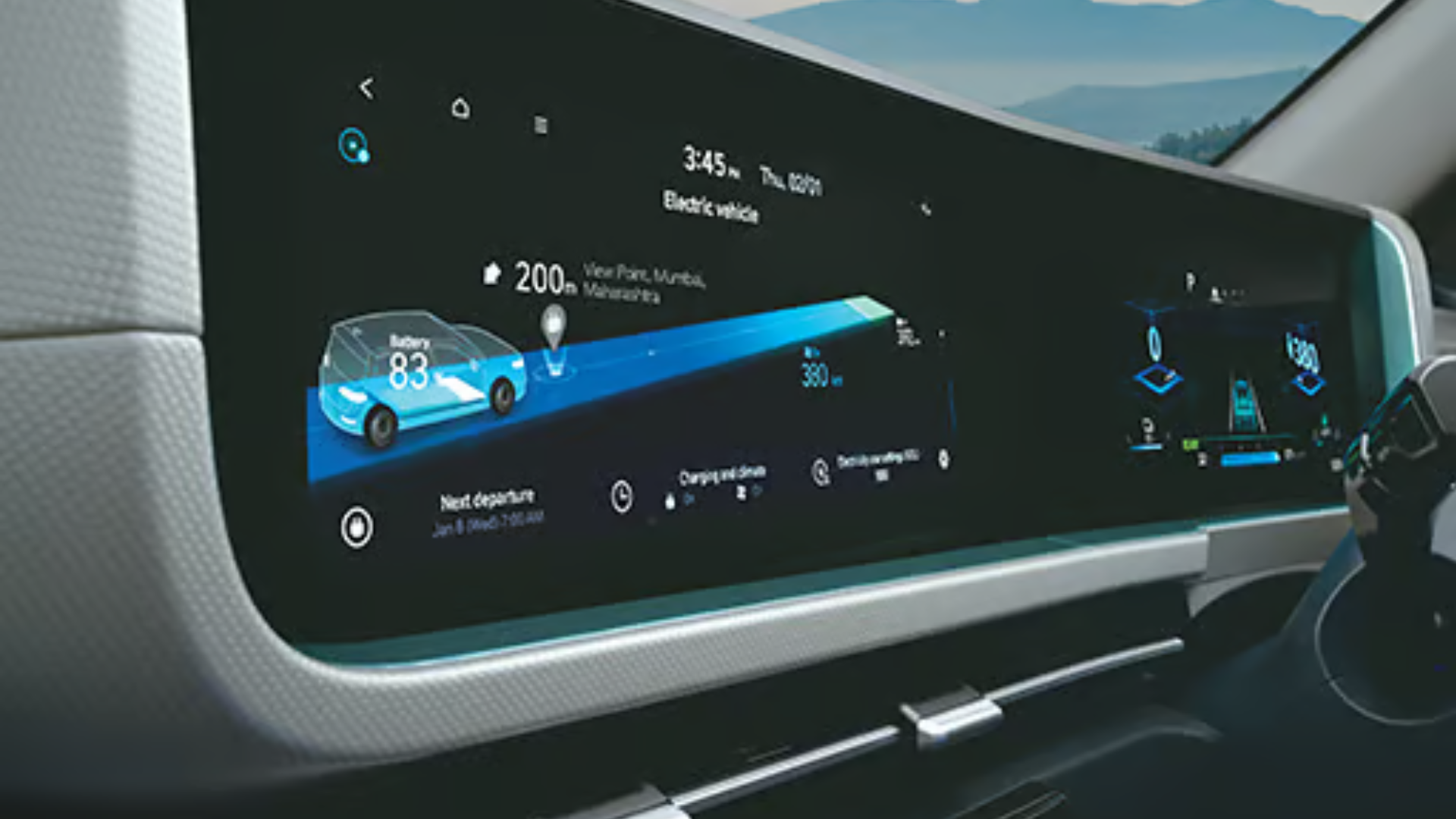
Screens and sound. Twin 26.03 cm displays, which is 10.25 inches each, sit under one curved glass panel for infotainment and the driver cluster, with wireless Android Auto and Apple CarPlay on every variant including the base Executive. Higher trims add a Bose eight-speaker system with a front centre speaker and a subwoofer. Bluelink connected car technology runs more than 70 functions, and the voice system understands 268 embedded commands plus 132 in Hindi, which is a materially better local language implementation than most systems sold here. Over-the-air updates cover maps and infotainment, and JioSaavn streams natively.
Variant by Variant
Every variant takes the same uniform Rs 7,04,000 reduction under Battery as a Service, so the BaaS column below is simply the ex-showroom price minus that figure. Battery rental is Rs 3.9 per km across the range on a 96 month tenure, and the rate you are quoted will vary with your credit score and declared monthly running. On-road figures are Delhi.
The verdict
Do the arithmetic before you sign anything, because Battery as a Service is not free money. Rs 7,04,000 divided by Rs 3.9 per km is 1,80,513 km. Spread across the 96-month tenure, that is 1,880 km a month, or about 62 km a day. Drive less than that and BaaS is genuinely cheaper in cash terms. Drive more, and the rental quietly overtakes the saving. Measured fairly against a financed purchase, the picture improves: borrowing that Rs 7,04,000 over 96 months at around 9 percent costs roughly Rs 10,300 a month and about Rs 9,90,000 in total, which pushes the crossover out to roughly 2,54,000 km, or about 87 km a day. So the rule of thumb is simple. Under about 60 km a day, BaaS is clearly the right call. Between 60 and 90 km a day it is close and depends on your interest rate. Above 90 km a day, buy the battery.
ThatsmyEV Rating
ThatsmyEV Score: 3.83 / 5