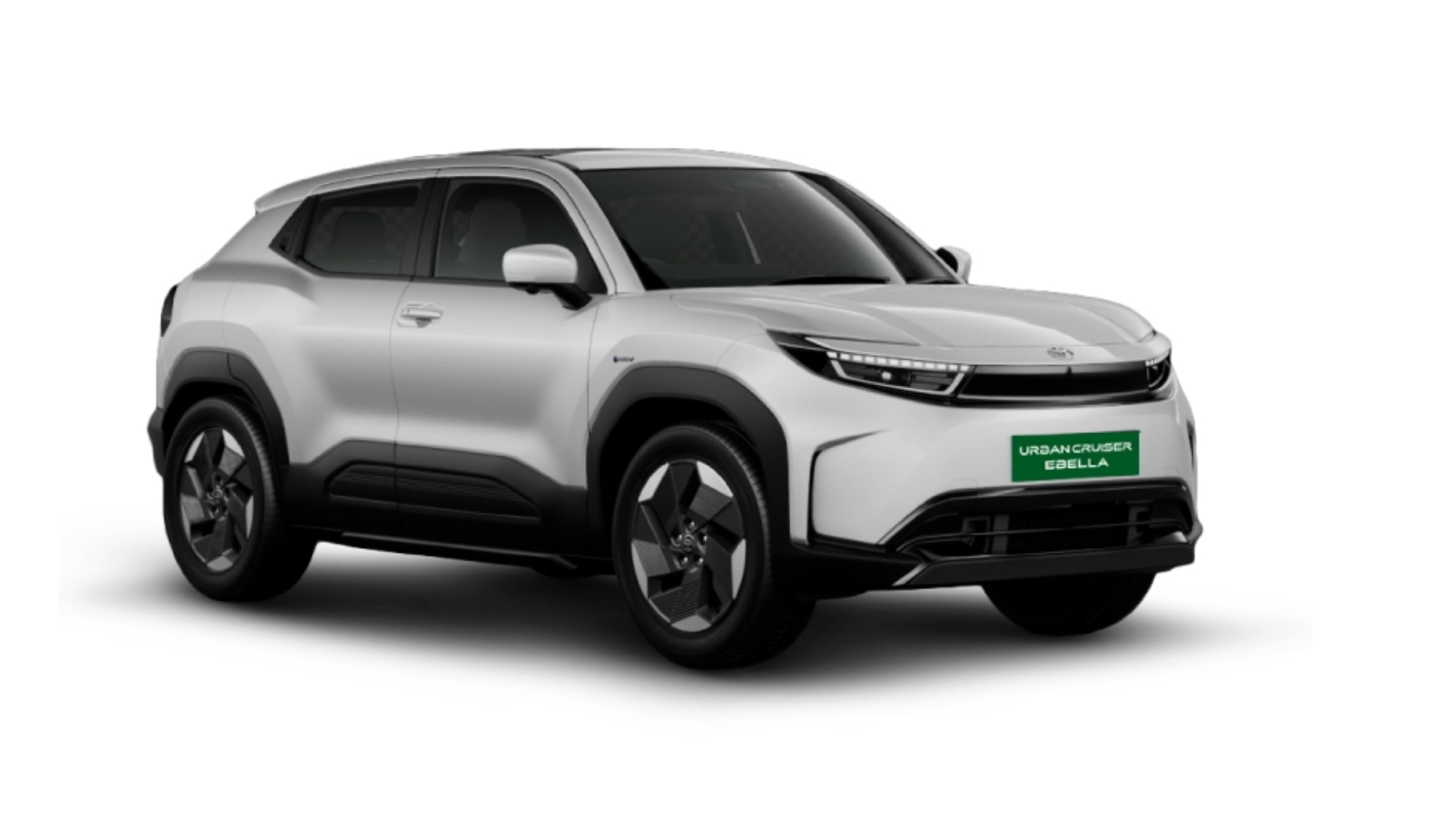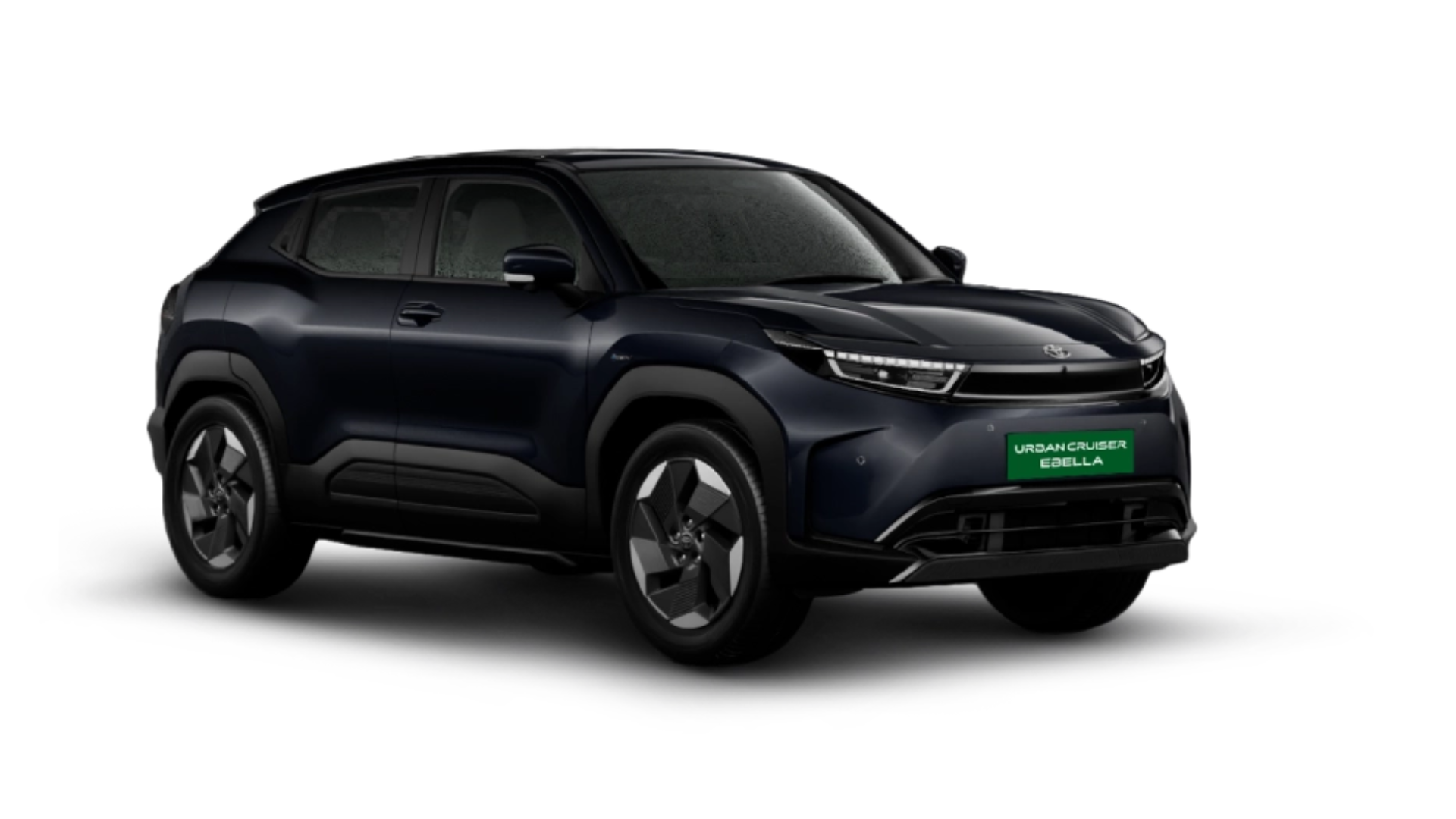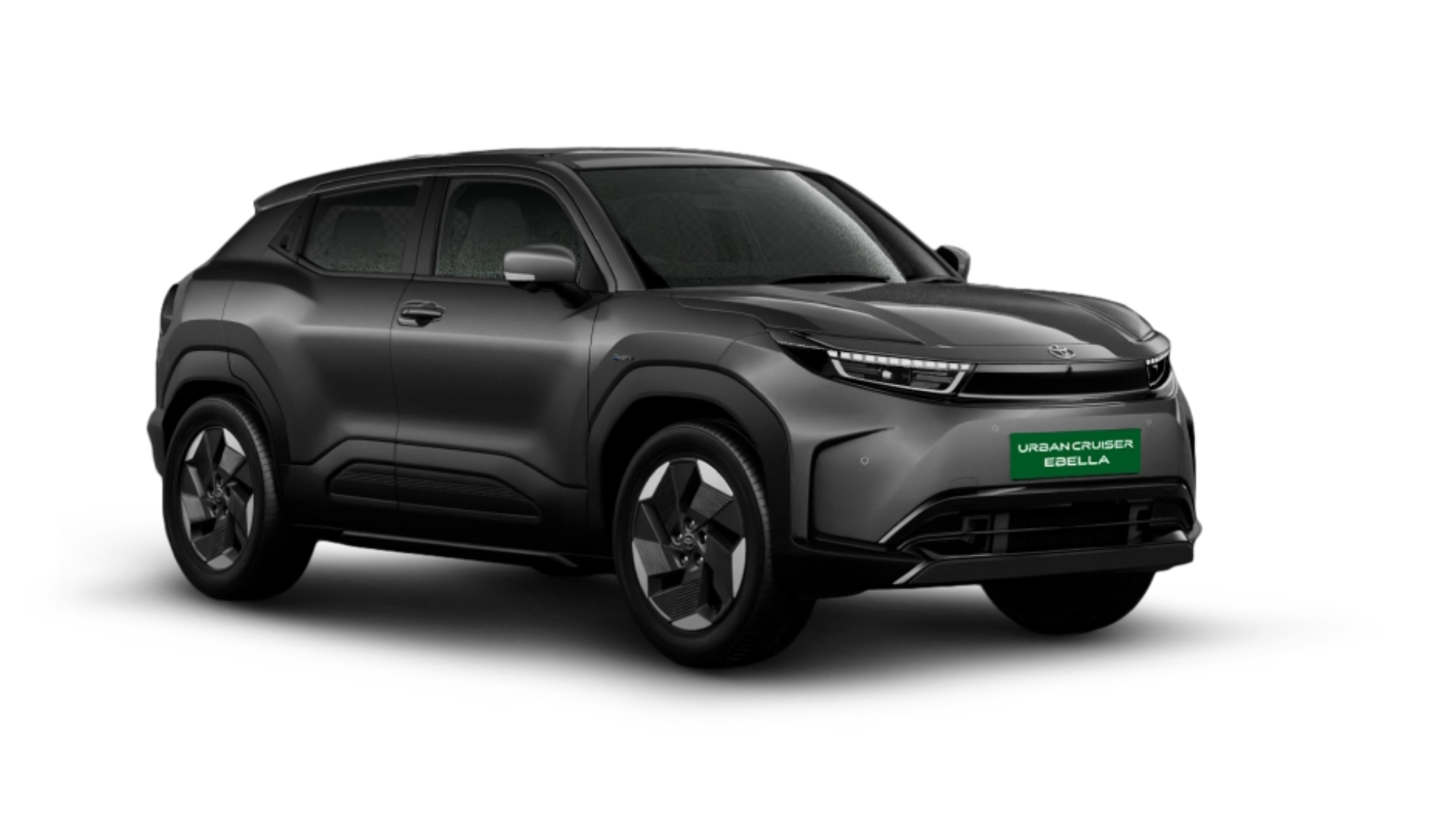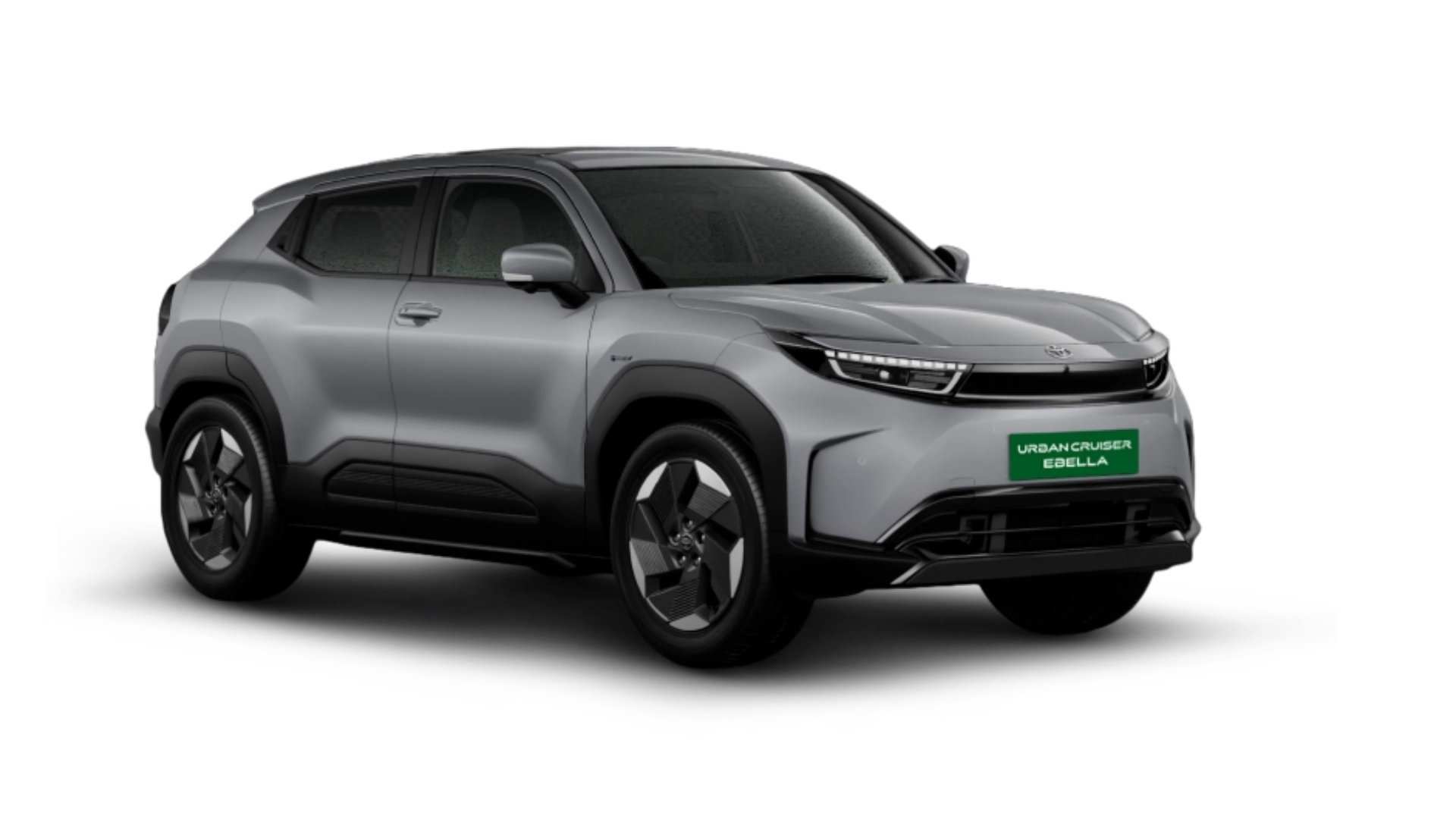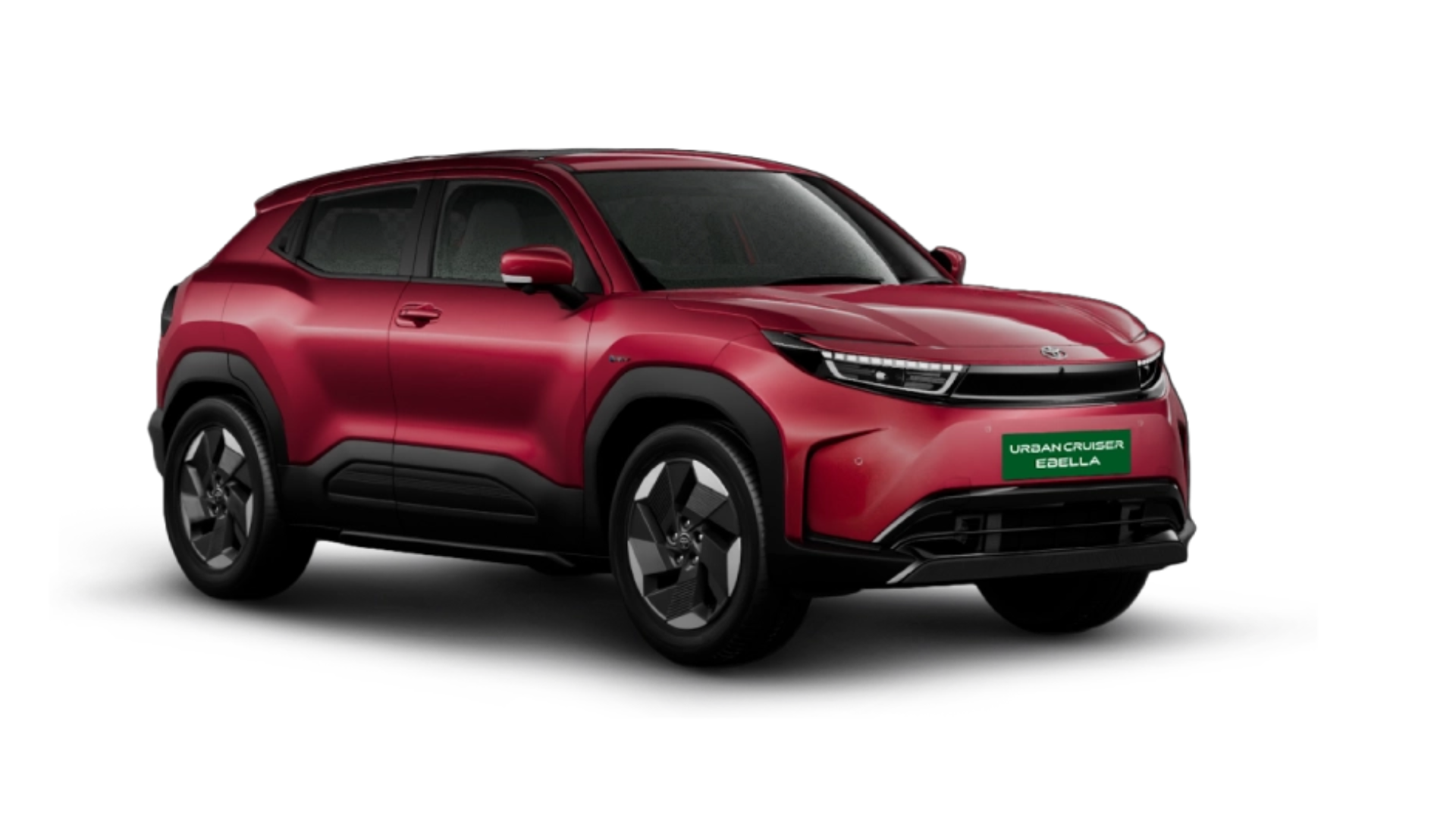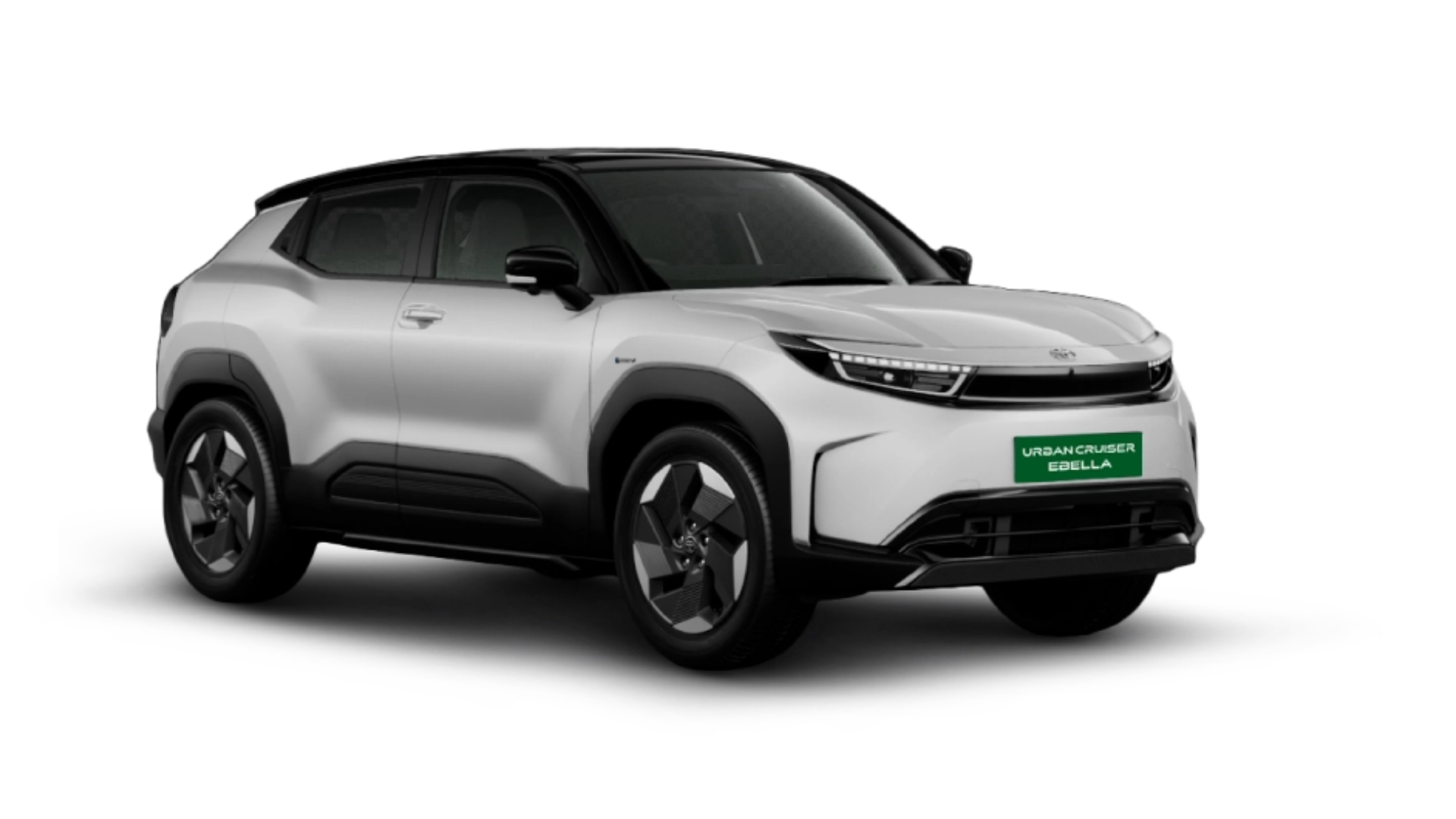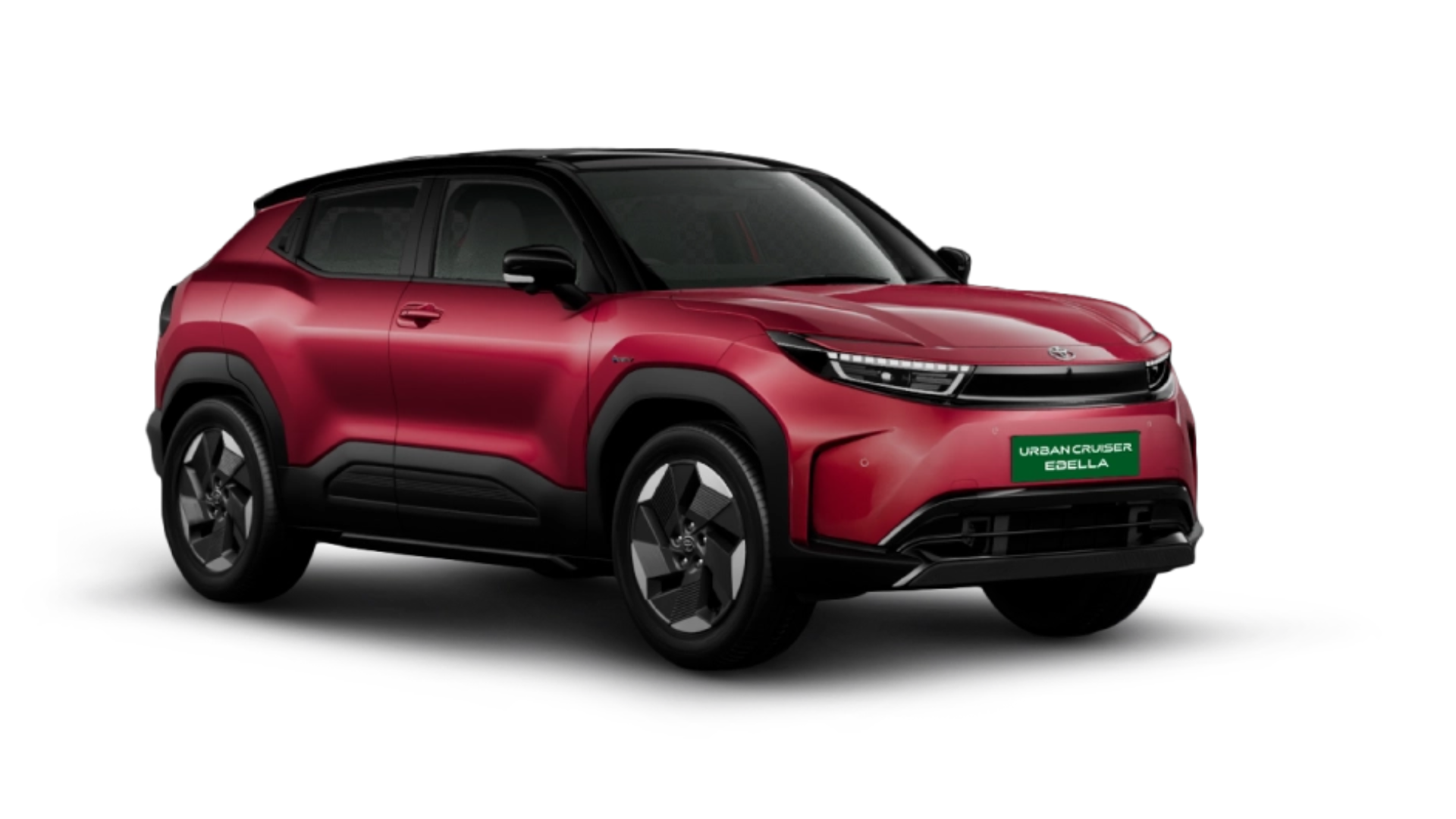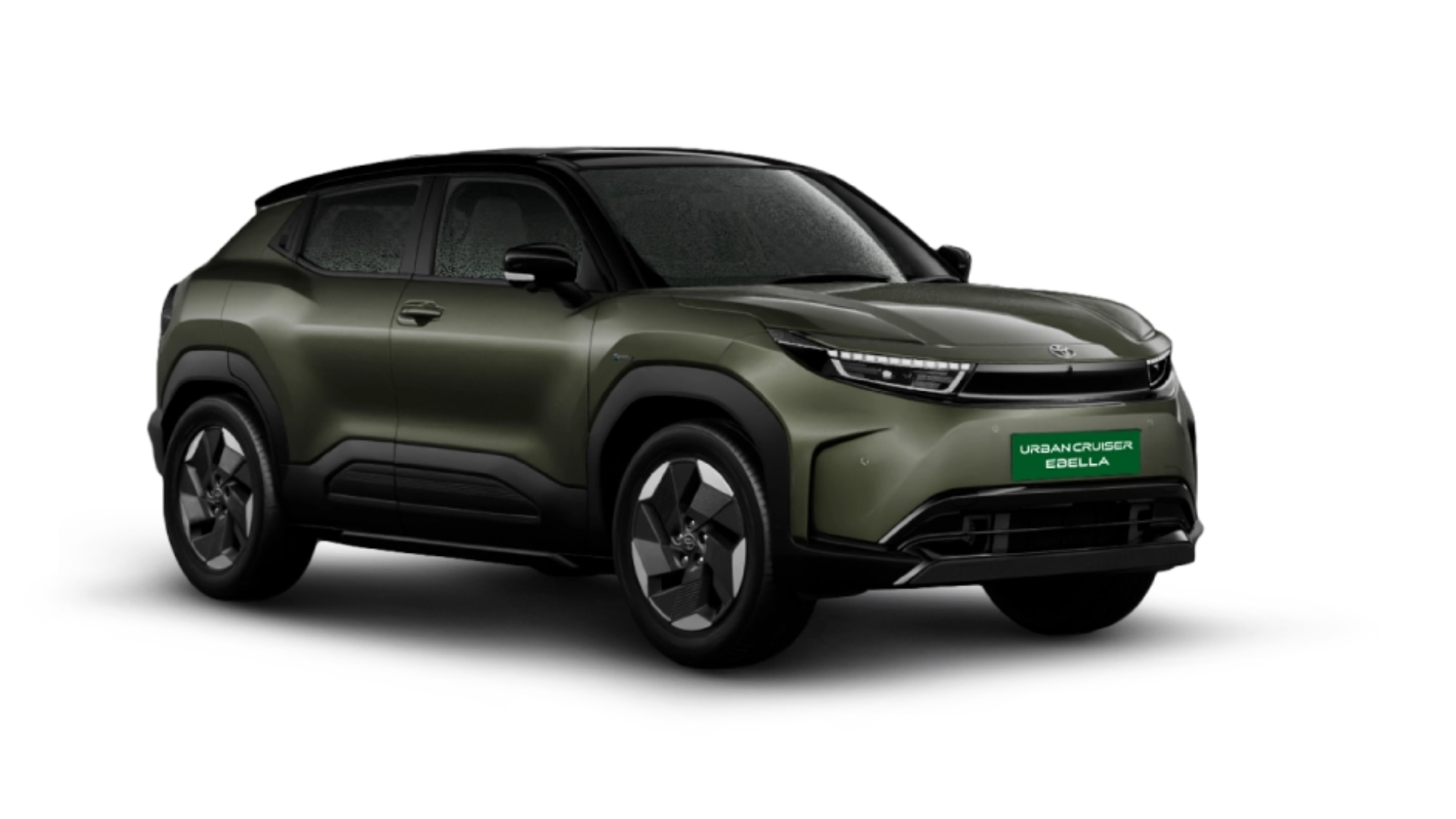
Toyota Urban Cruiser Ebella review by ThatsmyEV team
A proven Maruti e Vitara in a Toyota suit: 543 km of certified driving range, an 8-year battery warranty, a 60 percent buyback promise, and a Rs 3.6 lakh question about what the badge is worth.
Our Take
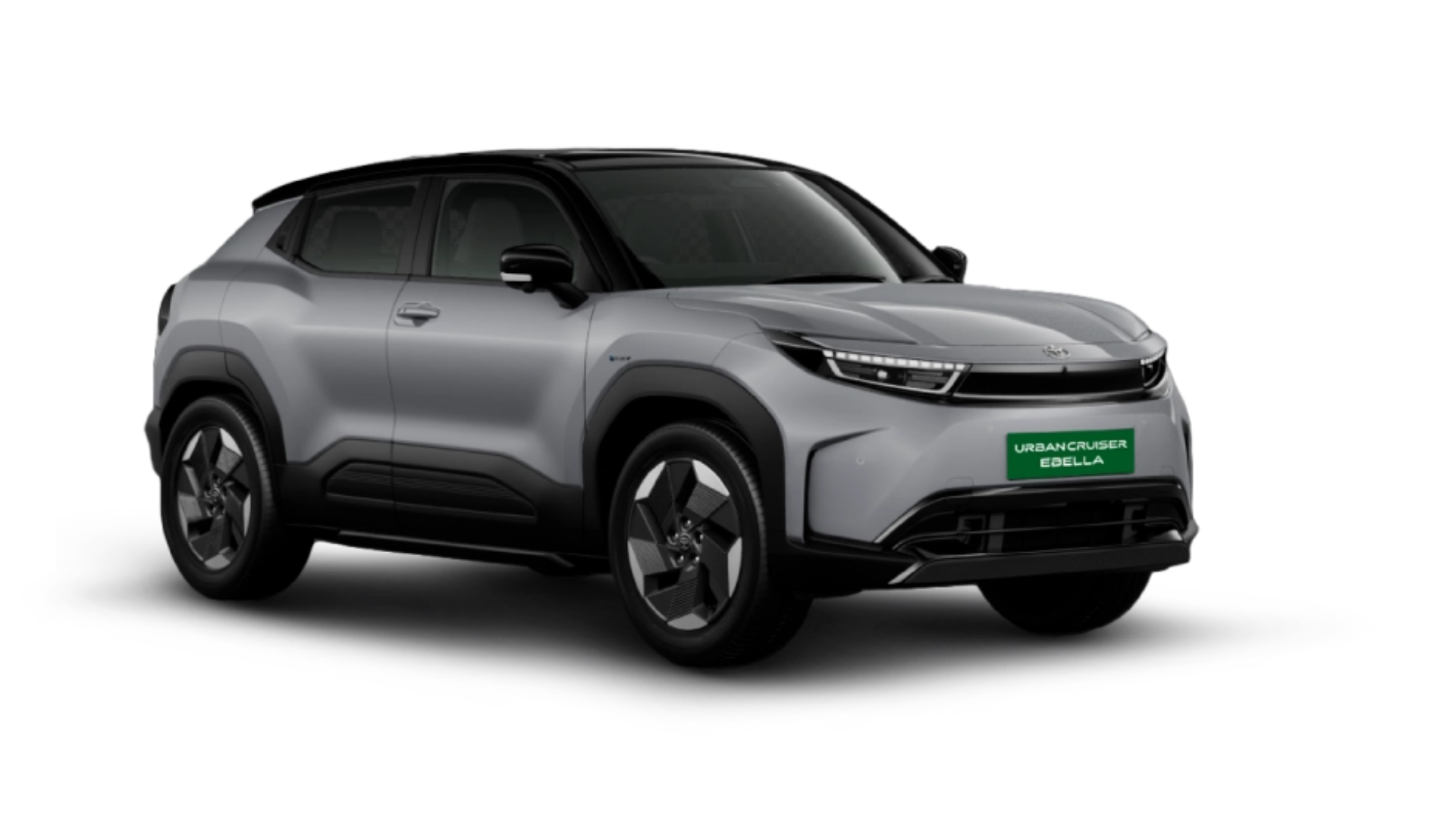
The Urban Cruiser Ebella is Toyota's first battery-electric car for India, and it arrives with a twist: almost none of it is new. Launched on 29 May 2026, it is a rebadged Maruti e Vitara, built on the same line at Suzuki Motor Gujarat, sharing the HEARTECT-e platform, both LFP battery packs, the front motor and the entire cabin architecture. What Toyota adds is a hammerhead face, unique 18-inch alloys, the i-Connect app suite and, above all, an ownership pitch: 30 years of electrification experience, 500+ BEV-enabled service touchpoints and an assured buyback.
Battery
Two packs, one clear hierarchy. The base E1 carries a 49 kWh LFP battery rated at 440 km of MIDC driving range; the E2 and E3 get the 61 kWh pack rated at 543 km. Toyota's own footnote deserves attention: the 543 km figure is an in-house certified number for the 61 kWh variant under AIS 040 (Rev.1) conditions, not a routine ARAI plaque. It is credible, because the identical e Vitara claims the same 543 km, but buyers should treat it as a lab ceiling.
Charging
DC fast charging. Toyota quotes 10 to 80 percent in about 45 minutes on a suitable CCS2 DC charger, and that number holds because the car's peak intake is modest: independent testing of this powertrain has measured around 67 to 70 kW at best. Plugging into a 150 kW bay will not make it faster. The competitive gap is stark. The Mahindra BE 6 accepts up to 175 kW and does 20 to 80 percent in about 20 minutes; the Hyundai Creta Electric, after its 2026 over-the-air update, accepts 100 kW and does 10 to 80 percent in 39 minutes. Only the Tata Curvv EV, with a similar 70 kW ceiling, keeps the Ebella company at the slow end.
Driving feel
Performance. The 61 kWh variants use a 128 kW (174 PS) front motor producing 193 Nm of torque; the 49 kWh E1 makes do with 106 kW (144 PS). Toyota quotes 0 to 100 km/h in 9.25 seconds and a 160 km/h top speed for the E3, which is adequate rather than exciting: the Creta Electric Long Range does the sprint in 7.9 seconds and the Mahindra BE 6, with 380 Nm on tap, in 6.7 seconds. Delivery is smooth and linear across Eco, Normal and Sport modes, with a dedicated Snow mode for low-grip surfaces.
Safety
Standard kit is genuinely strong. All three variants ship with 7 airbags (driver, front passenger, two side, two curtain and a driver knee bag), electronic stability control, ABS with EBD, hill hold, all-disc brakes, an electronic parking brake, TPMS, ISOFIX anchorages and an acoustic pedestrian alert. That baseline beats the Hyundai Creta Electric's 6 standard airbags and matches the Mahindra BE 6's 7.
Interior and technology
Design and quality. The dual-tone black and brown cabin, two-spoke squircle steering wheel, floating centre console with a rotary dial shifter and soft-touch dashboard are lifted wholesale from the e Vitara, differing only in the badge on the wheel. That is no insult: fit, materials and switchgear feel a class above the price-equivalent Curvv EV, if less theatrical than the BE 6's twin 12.3-inch halo cockpit.
Variant by Variant
Toyota launched the Ebella with only the top E3's price announced; E1 and E2 stickers are still awaited more than a month after launch. The pricing source of truth for this review is the announced E3 figure and its Delhi on-road computation.
The verdict
Judged as a car, the Ebella is easy to like: a genuinely long 543 km certified driving range, LFP durability, 7 airbags on every trim, a flexible and well-finished cabin, and honest, calm road manners. Judged as a purchase, it is the hardest sell in the segment, because its own twin undercuts it by Rs 3.6 lakh at the Maruti showroom while offering the same battery, motor, range and a tested 5-star Bharat NCAP certificate.