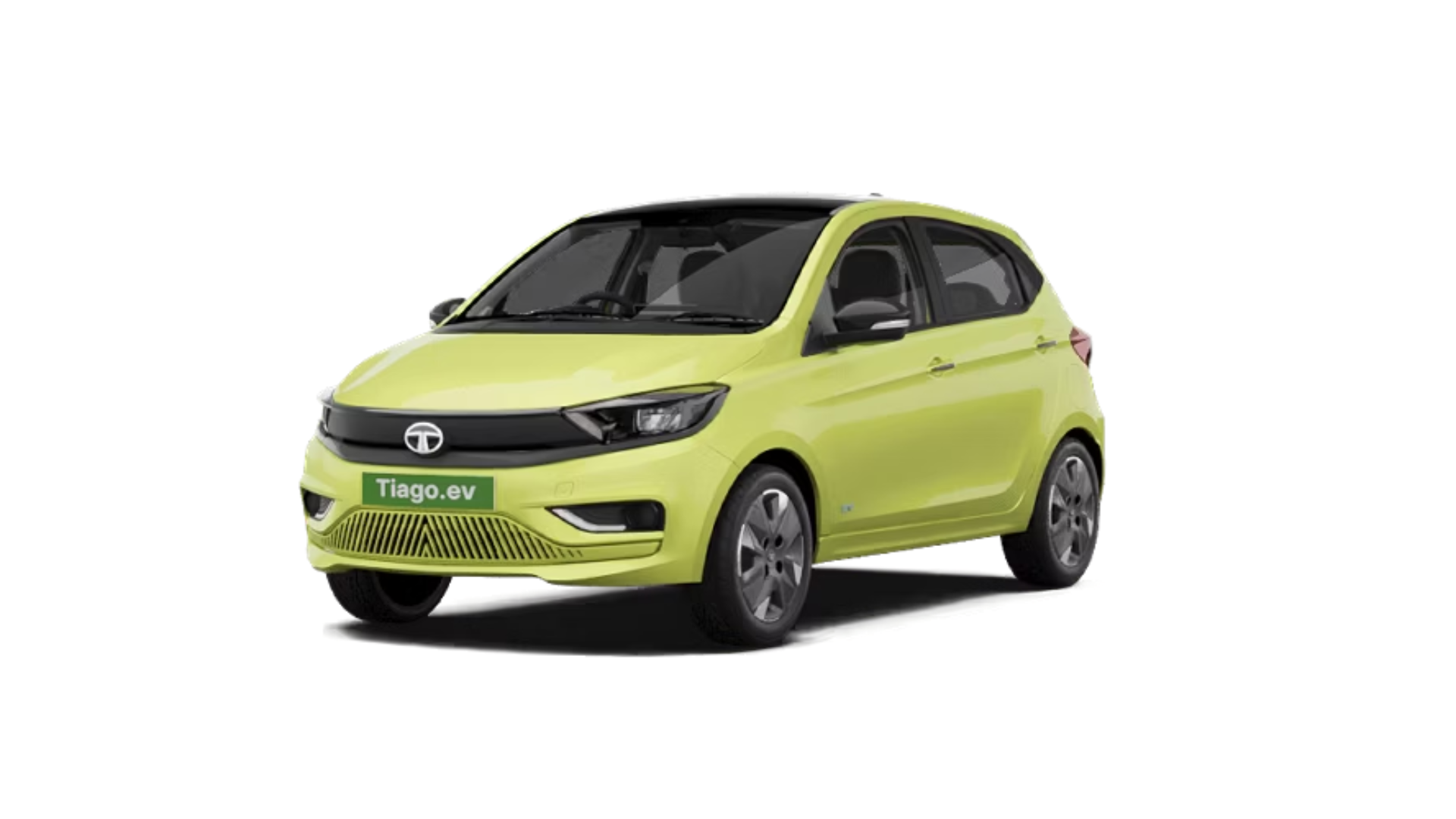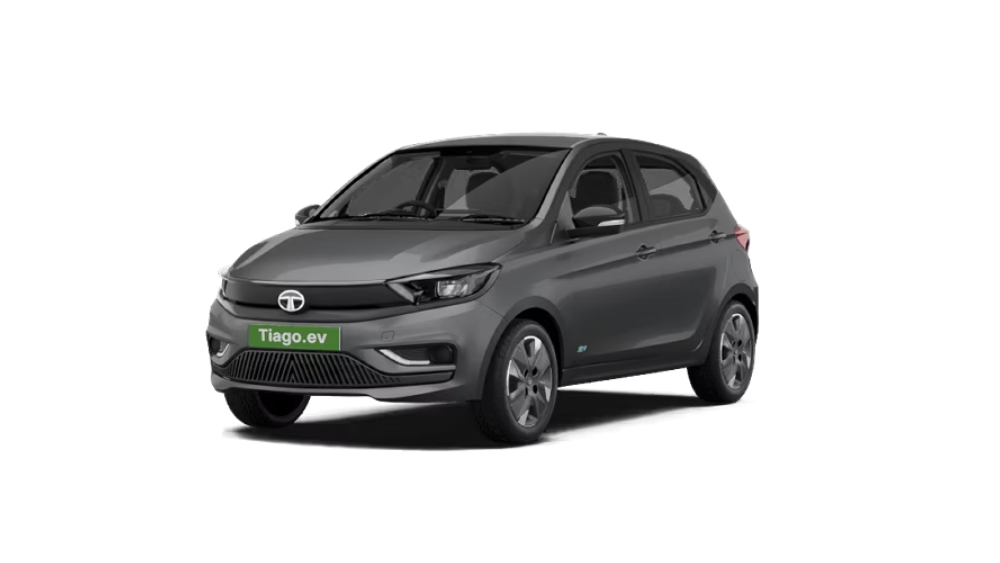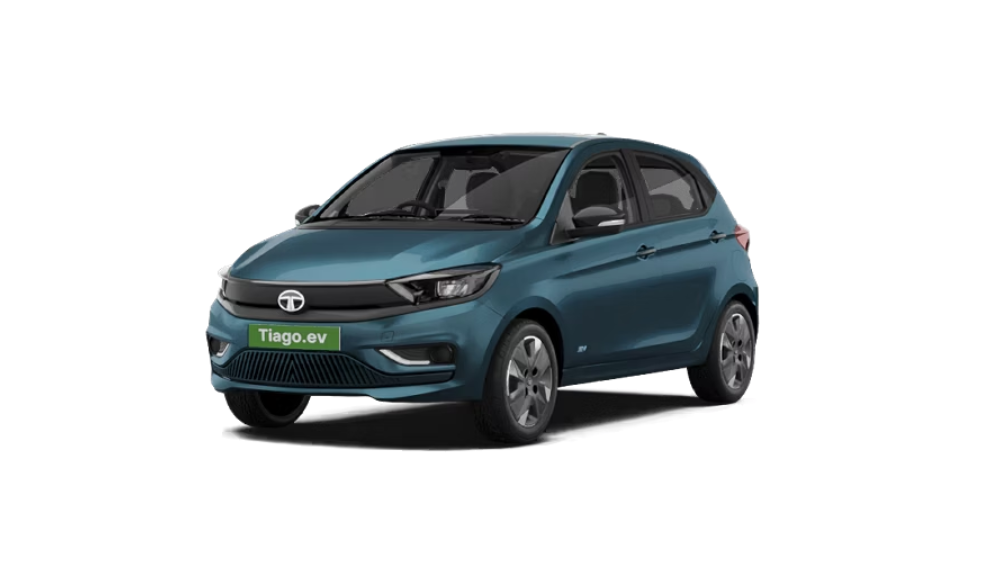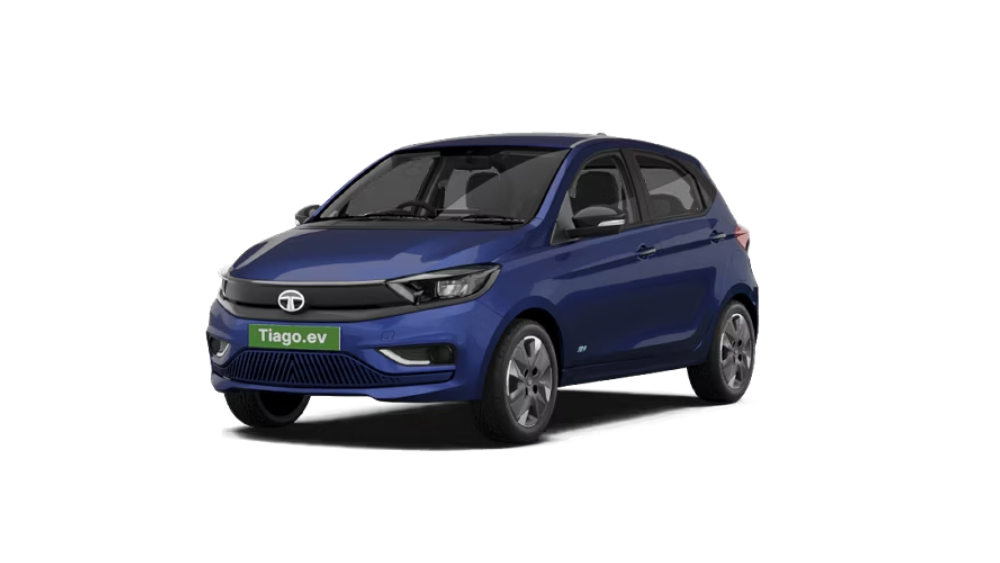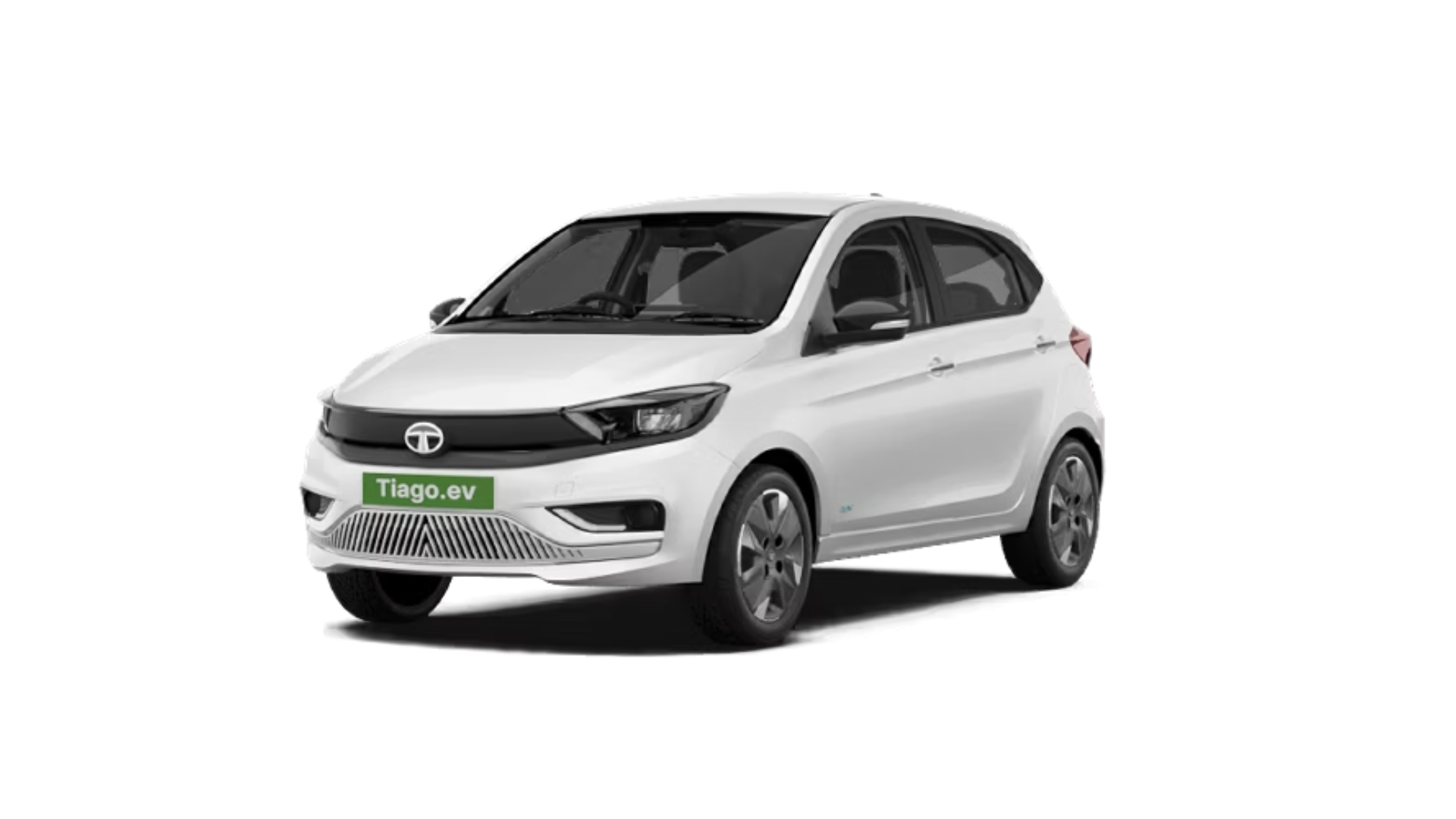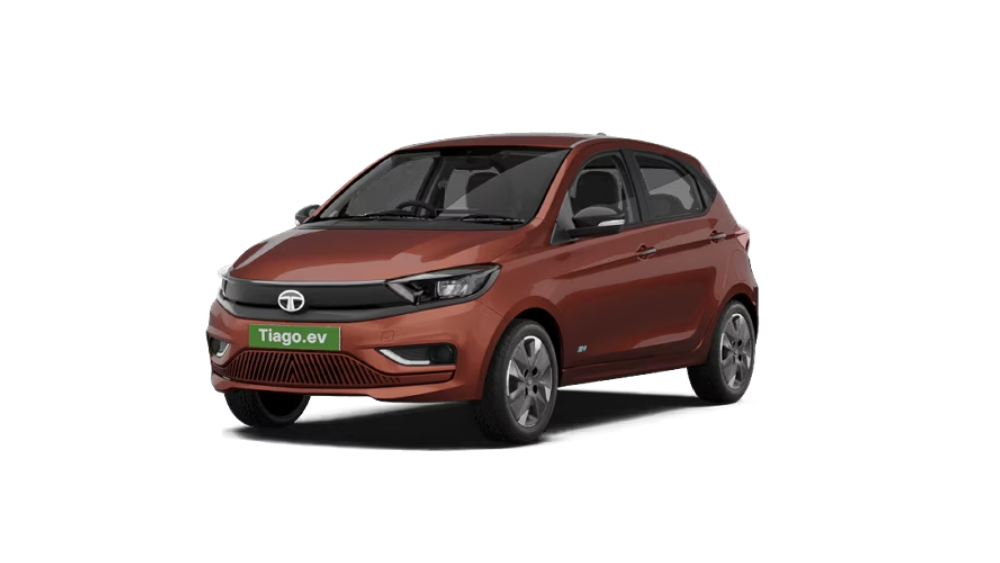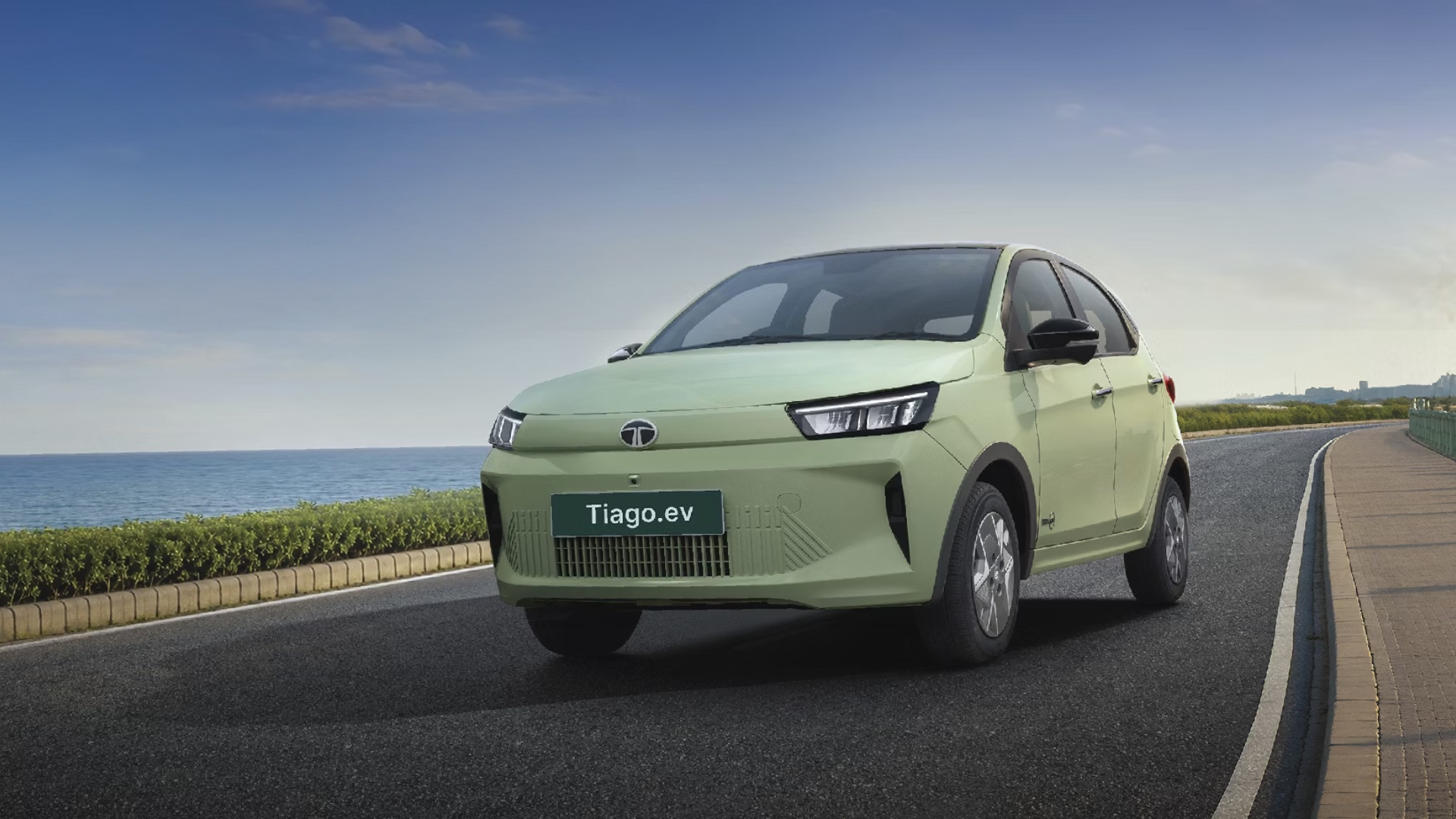
Tata Tiago EV review by ThatsmyEV team
The EV That Proved ₹8 Lakh Is Enough to Start
Our Take
The market context. For three years the Tiago EV occupied an awkward position. It was the most affordable electric car in India and it wore that title like an apology, with two airbags, halogen headlamps on the cheap variants, a 7 inch screen and a DC charge that took the better part of an hour. Below it sat the MG Comet EV, a genuinely tiny four seater. Above it sat the Citroen eC3, now from Rs 11.99 lakh, and Tata's own Punch EV. Buyers who could stretch did, and the Tiago EV became a car people bought because of what it cost rather than what it was. The 2026 facelift, launched in May, attacks that reputation directly and it does so by cutting prices at the same time as it adds equipment, which is not the usual direction of travel.
Battery
What you actually get. Both packs are lithium ferro phosphate, 19.2 kWh and 24 kWh, liquid cooled and sealed to IP67. LFP is the deliberate choice here and it is the right one for this car. It gives up energy density to nickel manganese cobalt chemistry, which is why a 24 kWh pack yields 285 km of MIDC driving range rather than the 375 km the Punch EV's larger 30 kWh nickel based pack manages, but it tolerates being charged to 100 percent daily without the calendar ageing penalty, it is markedly more thermally stable in 45 degree Delhi summers, and it is cheaper per kilowatt hour. For a car whose entire use case is a full charge overnight at home and a 40 km commute, LFP is not a compromise. It is the correct engineering answer, and the same reason Tata felt able to underwrite a lifetime battery warranty on the 24 kWh cars at all.
Charging
The DC upgrade is real. Peak DC input rises from 25 kW to 30 kW, and the 10 to 80 percent window falls from roughly 58 minutes to roughly 35 minutes. That is a 40 percent cut for no extra money and it changes the character of a coffee stop. The 35 minute figure describes the 24 kWh pack, which needs 16.8 kWh to cover that window; the 19.2 kWh pack moves only 13.4 kWh across the same window and should complete it closer to 27 minutes on a healthy charger. For comparison, the Citroen eC3 takes about 57 minutes for 10 to 80 percent on its larger 29.2 kWh pack, so the Tiago EV is now meaningfully quicker than the obvious alternative in its price bracket.
Driving feel
Performance. 45 kW and 110 Nm on the 19.2 kWh cars, 55 kW and 114 Nm on the 24 kWh cars, front wheel drive, single speed, 120 km/h limited. The 24 kWh car covers zero to 60 km/h in 5.7 seconds and that is the number that matters, because it is the traffic light number and the gap in traffic number. In town this car feels quicker than a petrol Tiago and considerably quicker than the MG Comet EV. Above 80 km/h the 55 kW ceiling makes itself known and overtaking on a two lane state highway needs planning. The facelift adds a third drive mode alongside City and Sport, and a rotary drive selector replaces the old arrangement, which is a small ergonomic upgrade you notice every single time you park.
Safety
The equipment change is the biggest in the car. The pre facelift Tiago EV left the factory with two airbags. The 2026 car has six as standard on all four variants: dual front, front side and full length curtain. Alongside them, every variant now gets electronic stability programme with traction control, hill hold assist and torque vectoring by braking, plus ABS with EBD, ISOFIX child seat anchorages, rear parking sensors and indirect i-TPMS. Tata has also strengthened the body structure. On a car starting at Rs 6.99 lakh this is a serious specification and it is materially ahead of what the MG Comet EV offers at a higher entry price.
Interior and technology
The standard fit list is the story. Every 2026 Tiago EV, including the Rs 6.99 lakh Smart, gets a 26.03 cm 10.25 inch floating touchscreen, wireless Android Auto and Apple CarPlay, automatic climate control, a height adjustable driver's seat, a part digital TFT instrument cluster with Bluetooth support and iRA.ev connected car technology running more than 40 functions. On the pre facelift car most of that list was reserved for variants costing Rs 10 lakh and above. Rear air conditioning vents, a cooled glovebox, auto folding door mirrors, cruise control and a front centre armrest are new to the range. The cabin itself is redesigned around a dual tone dashboard with new door pads, grey fabric upholstery and a gloss black centre console, and the two spoke steering wheel carries over with a new offset Tata.ev logo.
Variant by Variant
Prices are ex-showroom and on-road Delhi. Under the Battery as a Service scheme the entry point drops to Rs 4.69 lakh with a battery subscription of Rs 2.6 per kilometre, and the battery is leased rather than owned.
The verdict
Judge this car on what it set out to do. Tata took the cheapest electric car in India, cut Rs 1.00 lakh to Rs 1.15 lakh off every variant, and then loaded the base model with six airbags, stability control, a 10.25 inch screen and automatic climate control. Cars almost never get cheaper and better simultaneously. This one did, and the entry price of Rs 6.99 lakh now sits Rs 1.50 lakh below what the same car cost when it launched in September 2022.
ThatsmyEV Rating
ThatsmyEV Score: 3.83 / 5