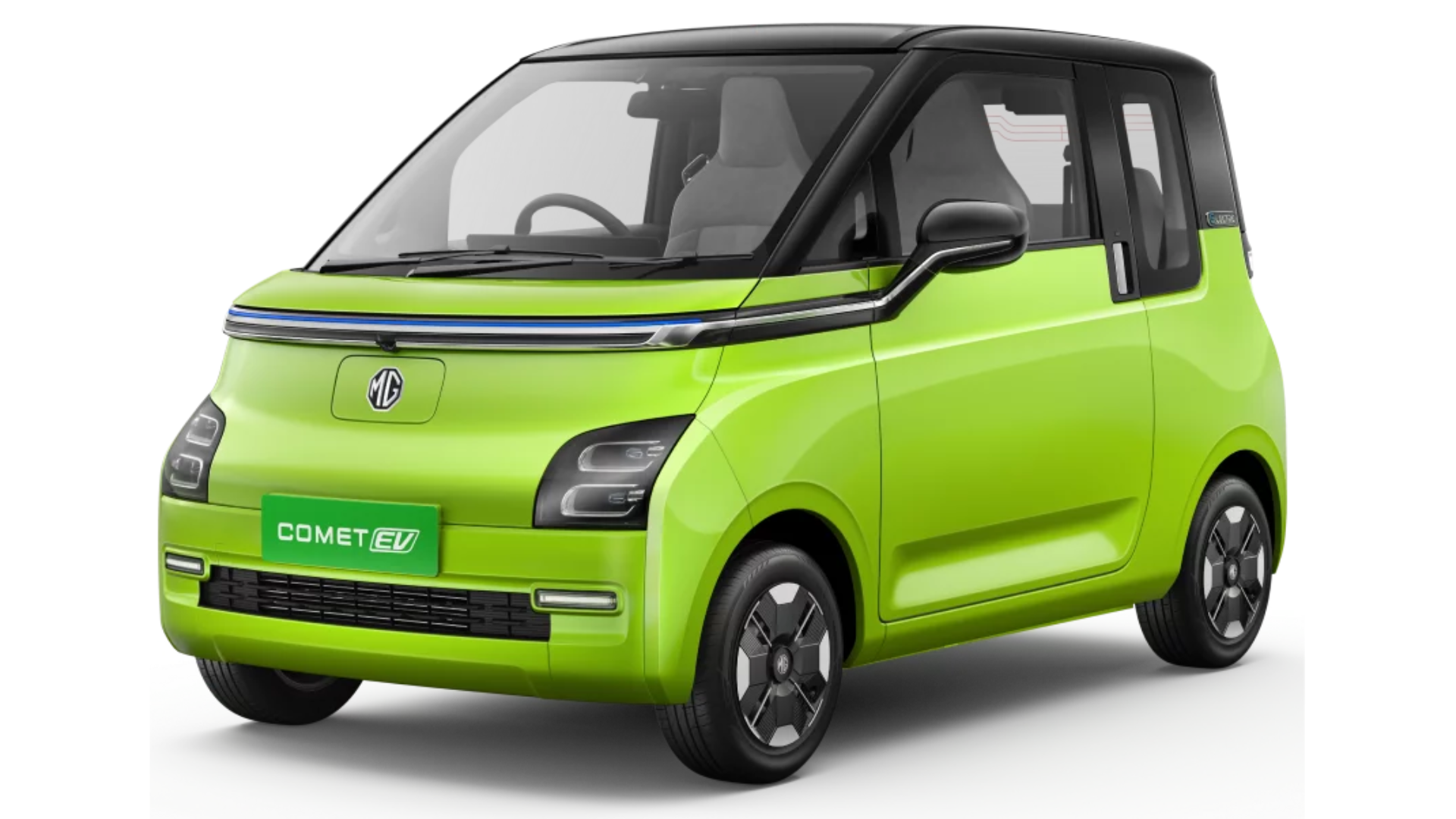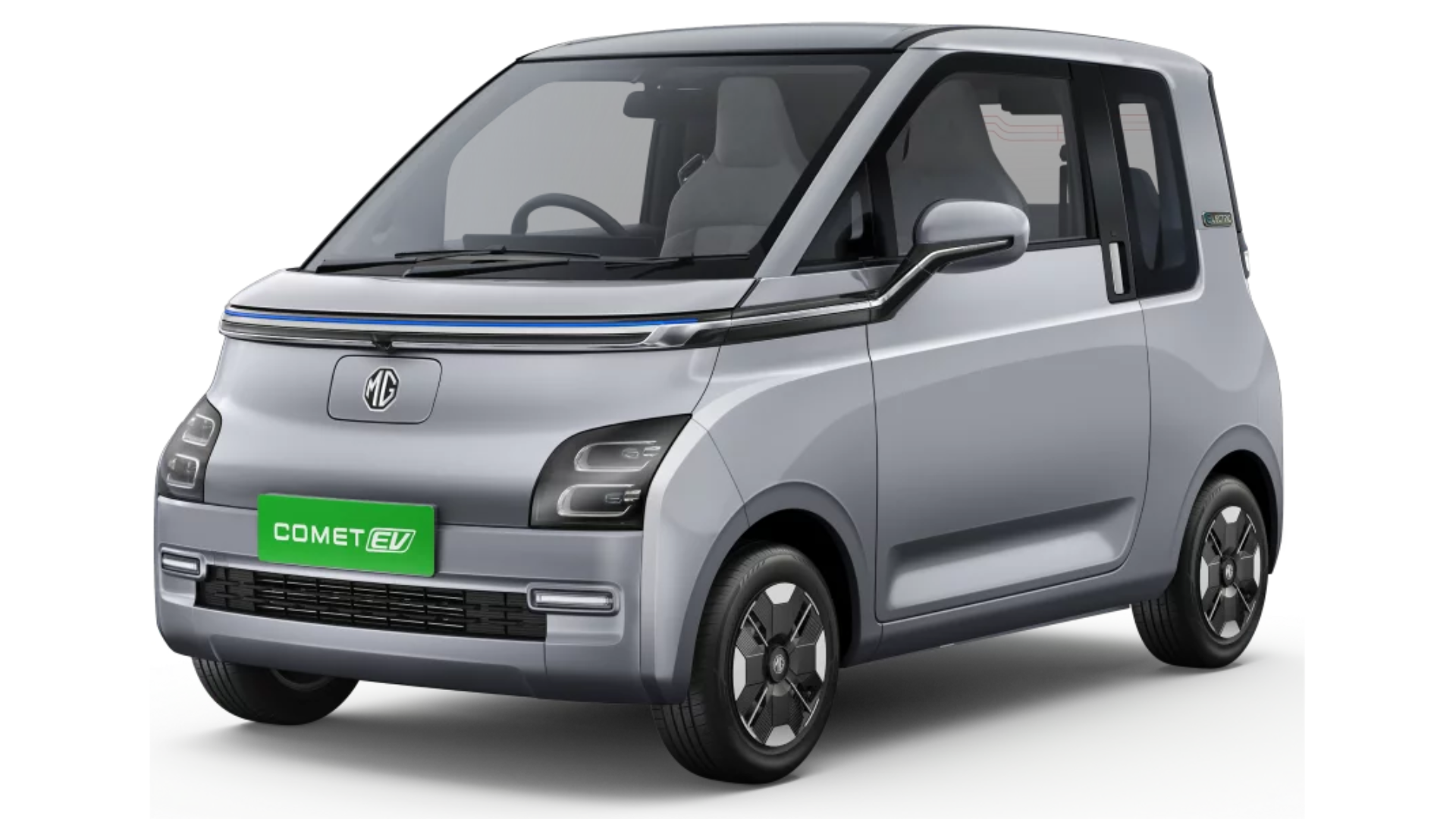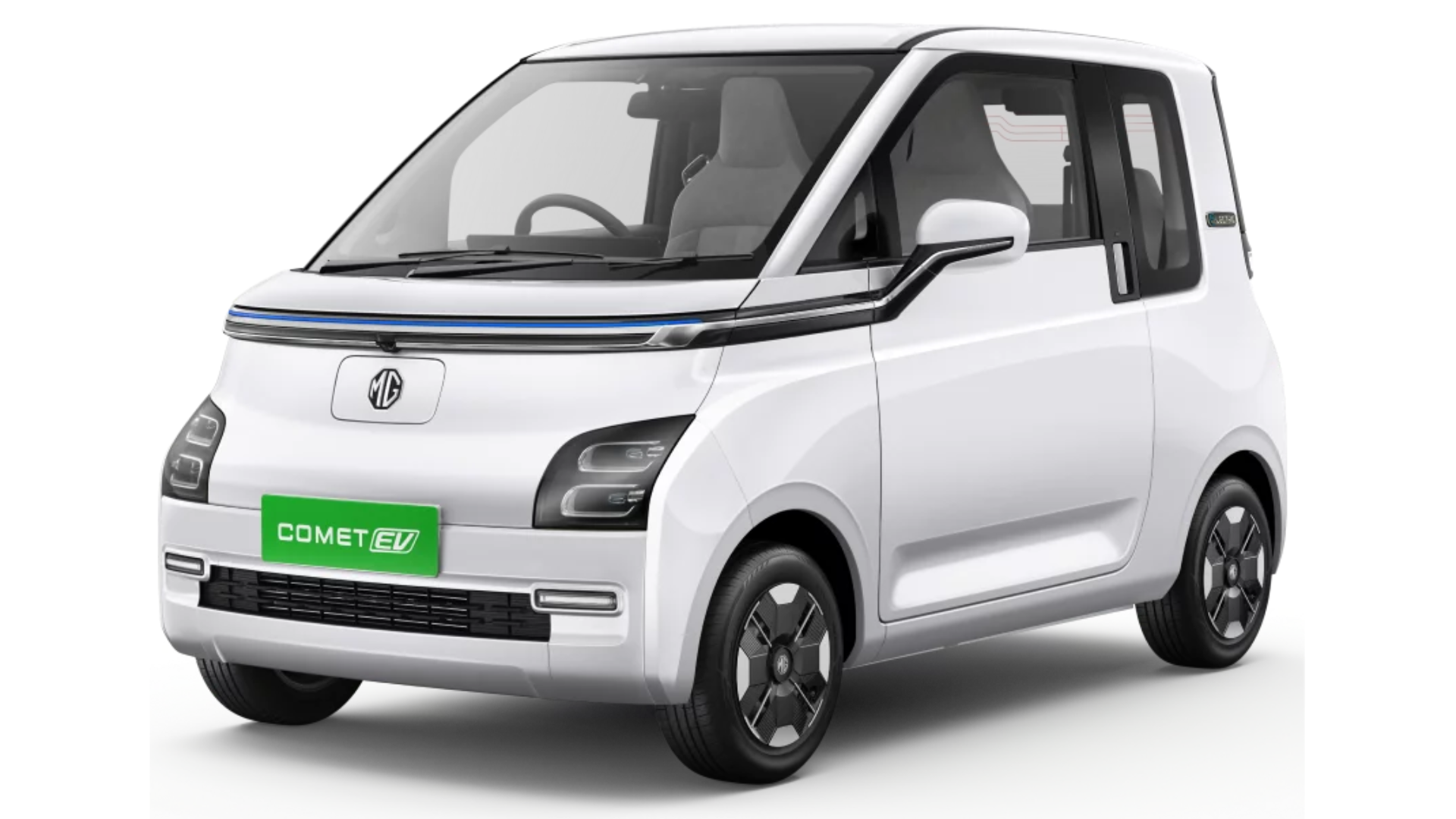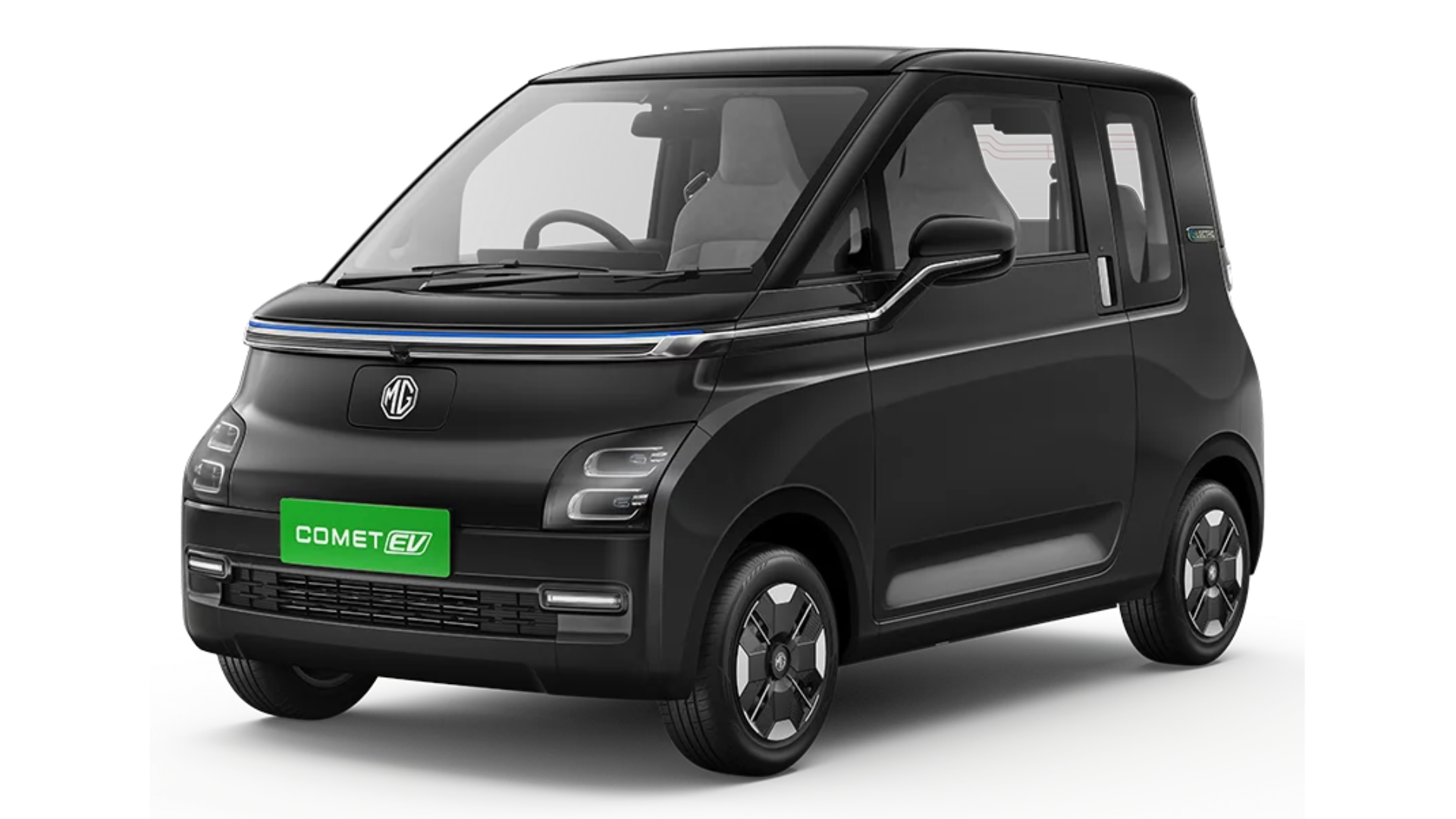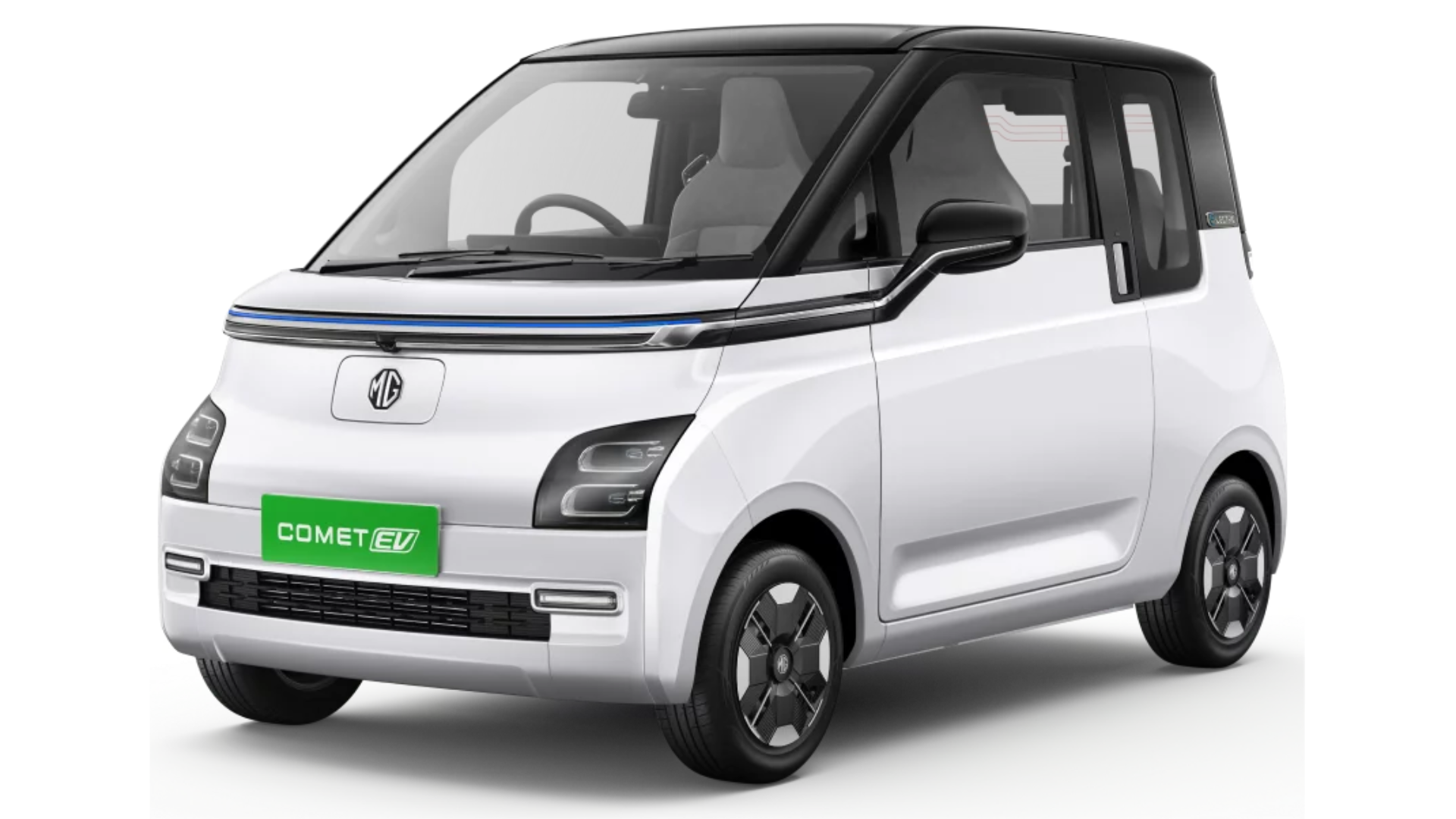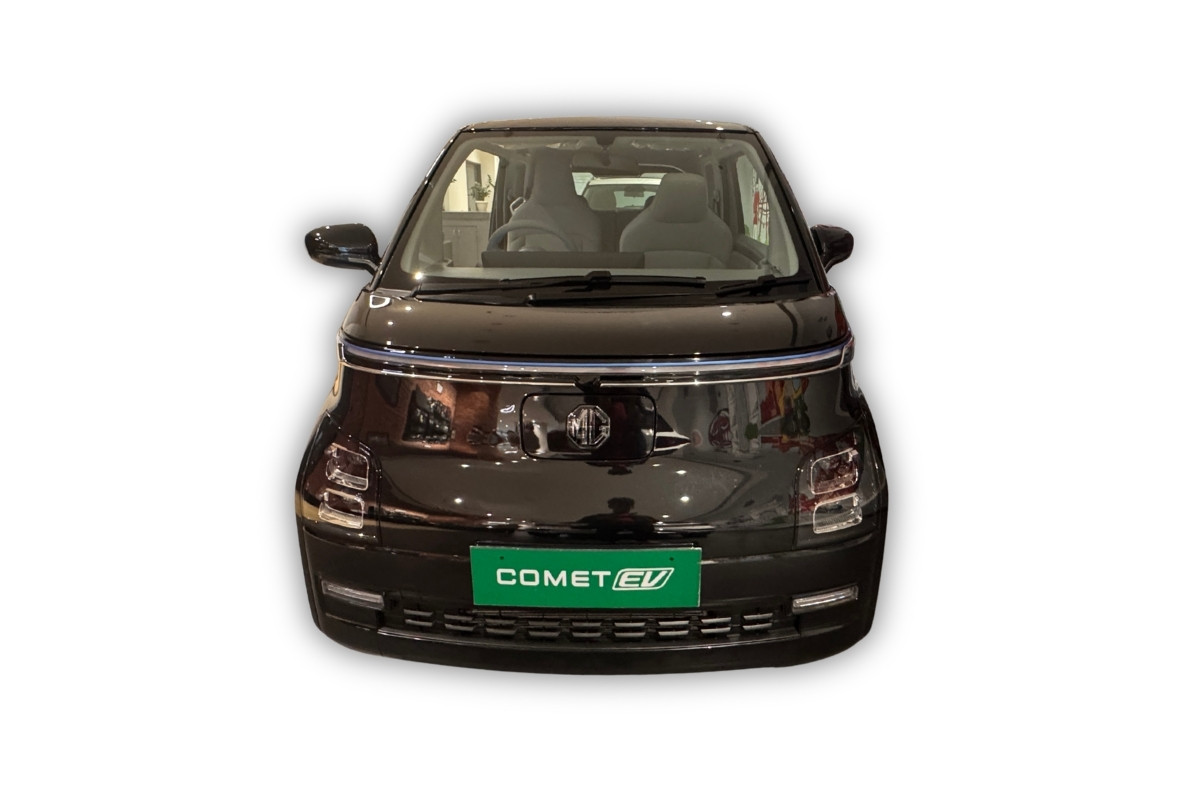
MG Comet EV review by ThatsmyEV team
India's smallest EV has quietly become its cheapest way into electric motoring. The city brief is nailed; the missing DC port and a thin safety kit draw the hard limits.
Our Take
The thesis. Three years after launch, the Comet EV has stopped trying to be judged as a cheap car and started winning as a cheap way in. The Battery-as-a-Service scheme, Rs 4.99 lakh upfront for the base Executive plus Rs 3.1 per km battery rental, reframed the entire proposition, and the market responded: 1,143 units in December 2025 was its best month ever, April 2026 volumes were up 215 percent year on year at 601 units, and the trailing twelve months add up to 8,782 cars.
Battery
The pack. Standard variants carry a 17.3 kWh prismatic-cell lithium-ion battery; the FC variants get a marginally larger 17.4 kWh unit. Both are certified for 230 km of ARAI driving range. Apply the usual 0.8 real-world correction and you land at about 184 km, which is exactly what independent tests report: 182 km in a city-only run with the AC set to 24 degrees, 150 to 190 km depending on drive mode, and about 190 km if you stay in Eco.
Charging
What you get. Every Comet EV charges through a Type 2 AC inlet only. The standard 3.3 kW on-board charger needs about 7 hours for a full 0 to 100 percent charge; the Excite FC and Exclusive FC variants carry a 7.4 kW on-board charger that halves this to about 3.5 hours. That 7.4 kW hardware is exactly a Rs 40,000 step: the Excite FC costs Rs 8.97 lakh against the Excite's Rs 8.57 lakh.
Driving feel
Performance. The rear-mounted motor produces 42 PS of power and 110 Nm of torque, modest on paper against the 74 bhp of the Tata Tiago EV's 24 kWh version, but the Comet EV weighs just 806 to 845 kg depending on variant. Instant electric torque moving so little mass makes the 0 to 40 km/h sprint feel eager in traffic, and creep mode handles bumper-to-bumper crawling without pedal inputs. The arithmetic changes past 80 km/h: top speed is around 105 km/h and 0 to 100 km/h takes in the region of 24 seconds, so overtaking on open highways requires planning.
Safety
What every variant gets. Dual front airbags, ABS with EBD, rear parking sensors, ISOFIX child-seat anchors, three-point seatbelts for all four occupants with front and rear reminders, an indirect tyre pressure monitoring system, speed-sensing door locks and impact-sensing unlock. That baseline is honest for a Rs 7.50 lakh car.
Interior and technology
The screens. From the Excite up, a floating twin-display panel pairs a 26.04 cm (10.25-inch) digital cluster with a 26.04 cm (10.25-inch) touchscreen running wireless Android Auto and Apple CarPlay, i-SMART 2.0 with 55 plus connected features, over-the-air updates and more than 100 voice commands including 30 plus in Hinglish. The base Executive is a different car inside: a 17.78 cm (7-inch) cluster, two speakers, Bluetooth-only audio and no touchscreen at all, which is the single biggest reason to skip it.
Variant by Variant
Six variants, one powertrain. The FC suffix means the 7.4 kW on-board AC charger and the 17.4 kWh battery; everything else is trim and kit. Prices below are ex-showroom Delhi from MG's July 2025 price list (verified current in July 2026), with on-road Delhi alongside. Note that JSW MG has announced an up to 3 percent increase across its range from 1 July 2026, so confirm the final invoice at booking.
The verdict
Buy the Comet EV as the second car it was engineered to be and it borders on brilliant. Nothing else on sale parks in its gaps, turns in its radius or enters a household at Rs 4.99 lakh plus Rs 3.1 per km. Daily running of 40 to 60 km, a home socket, and a family that already owns a highway car: that owner will smile every single day and spend under a rupee per kilometre doing it.