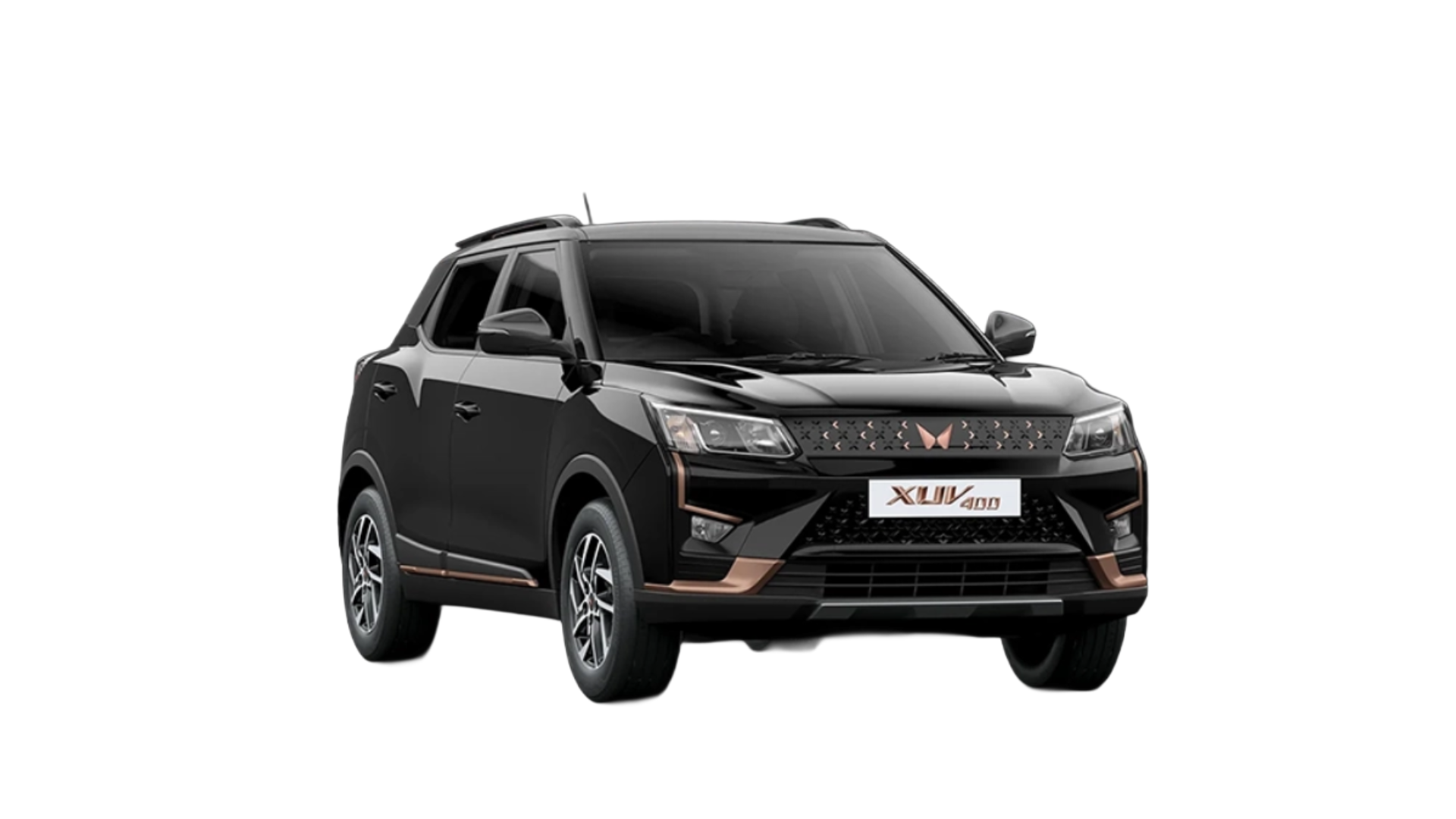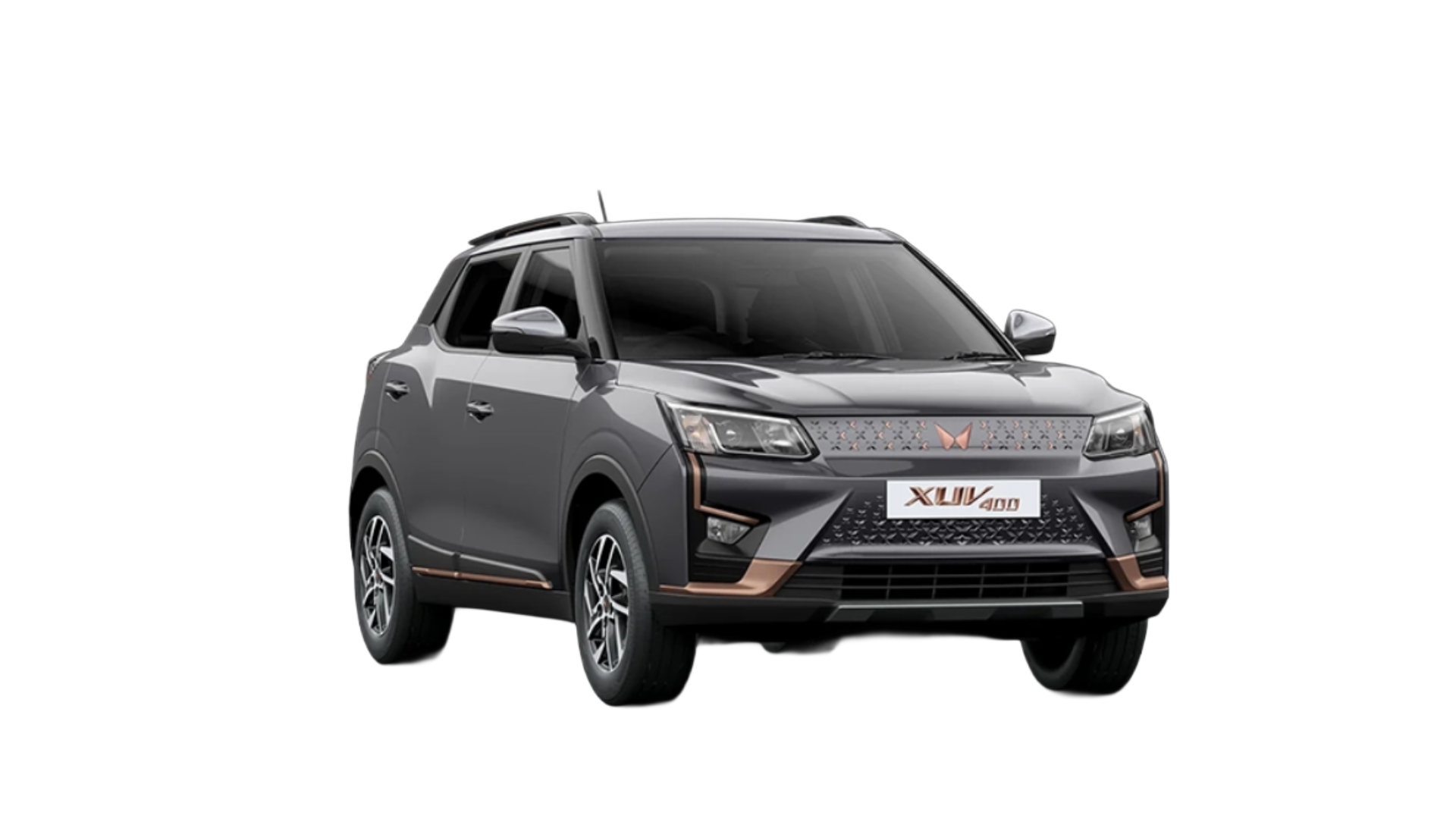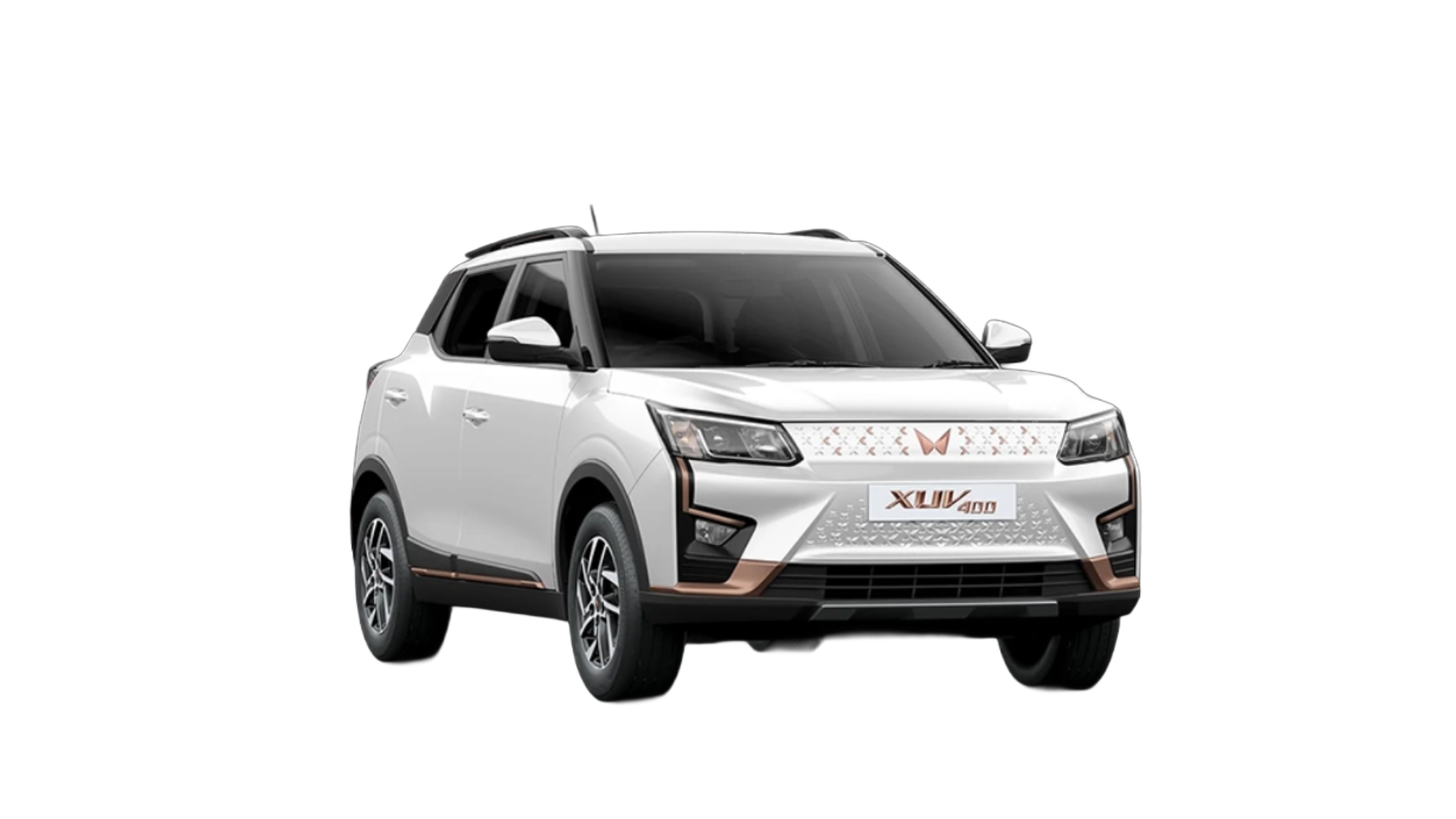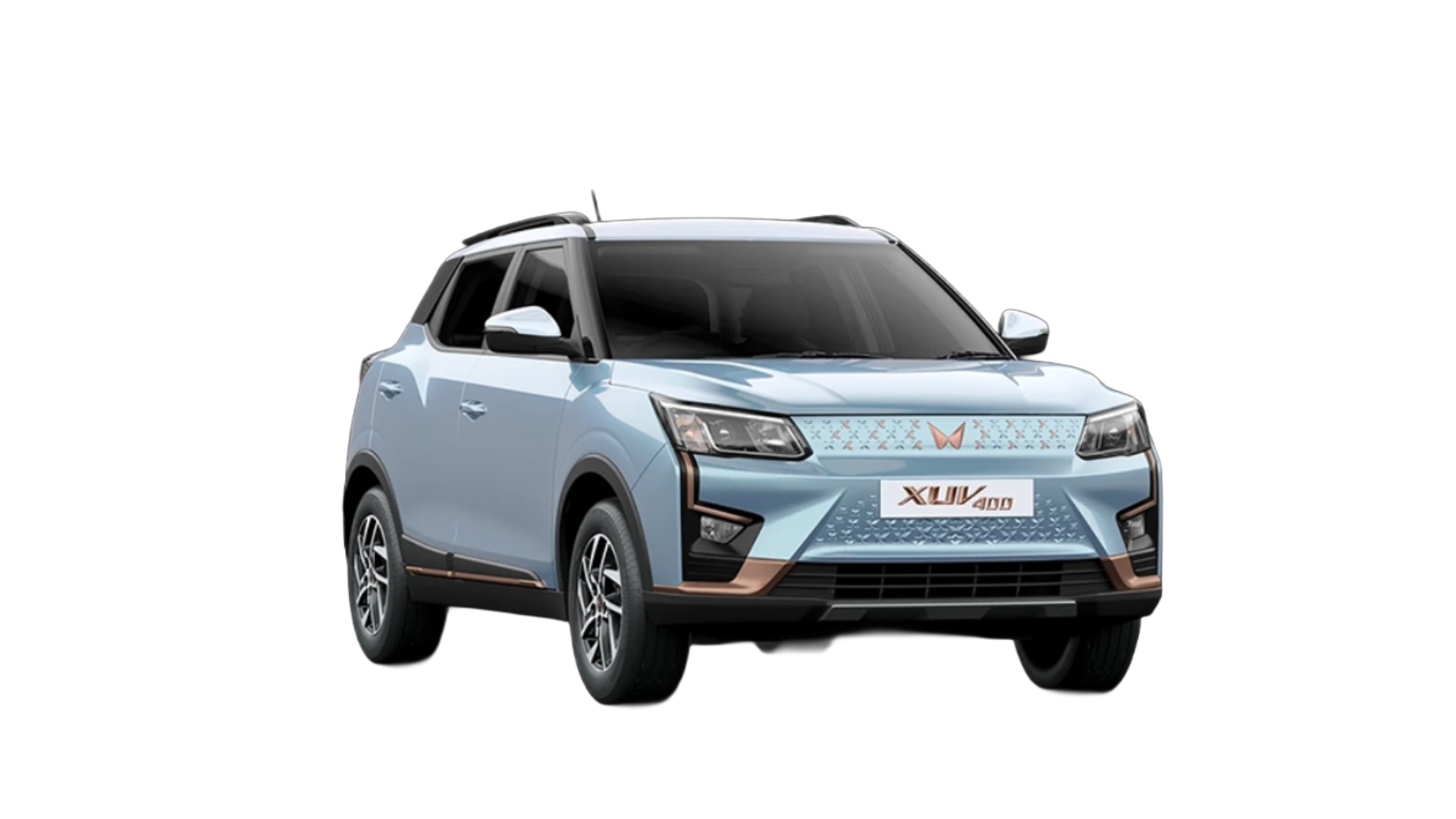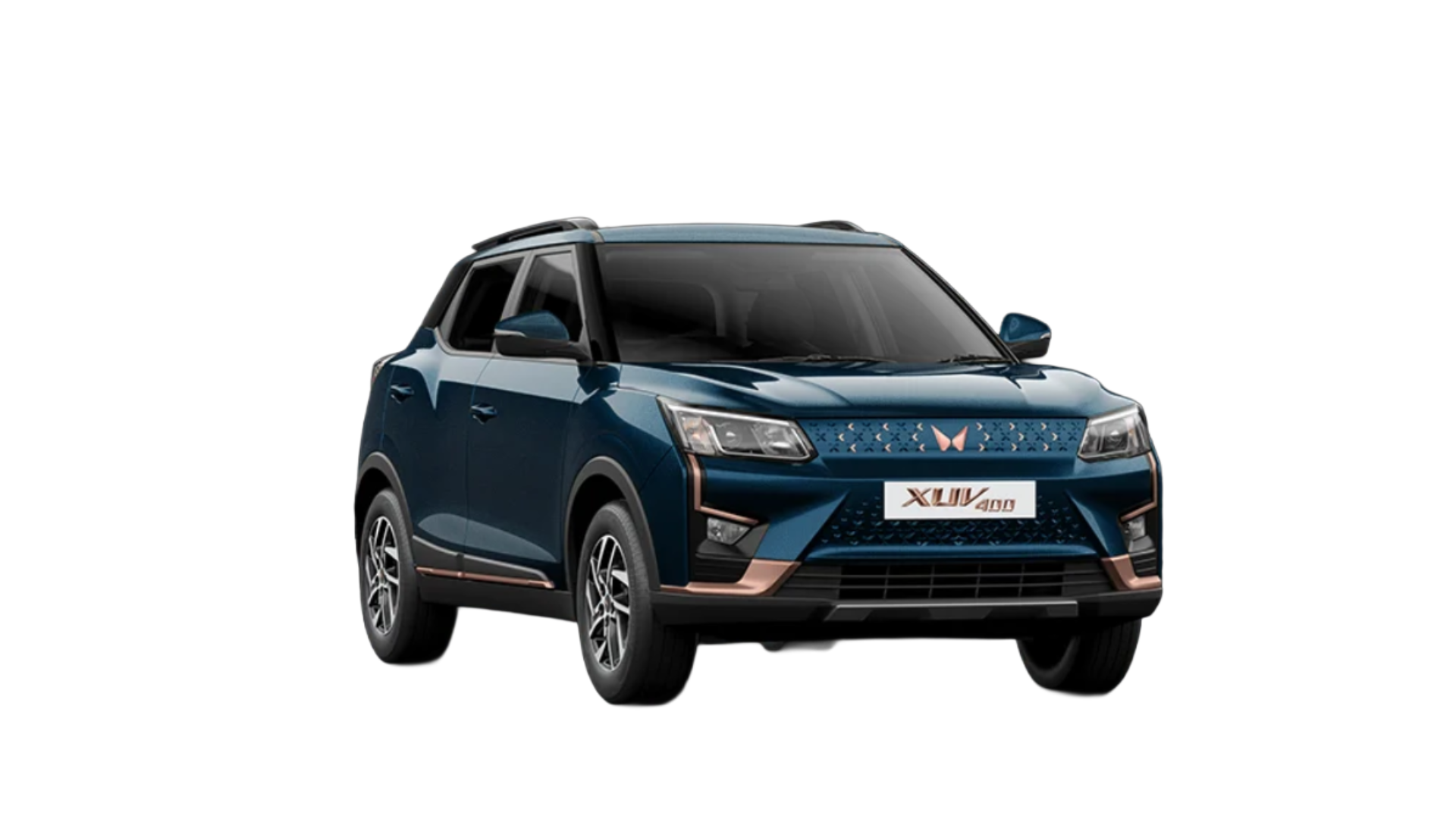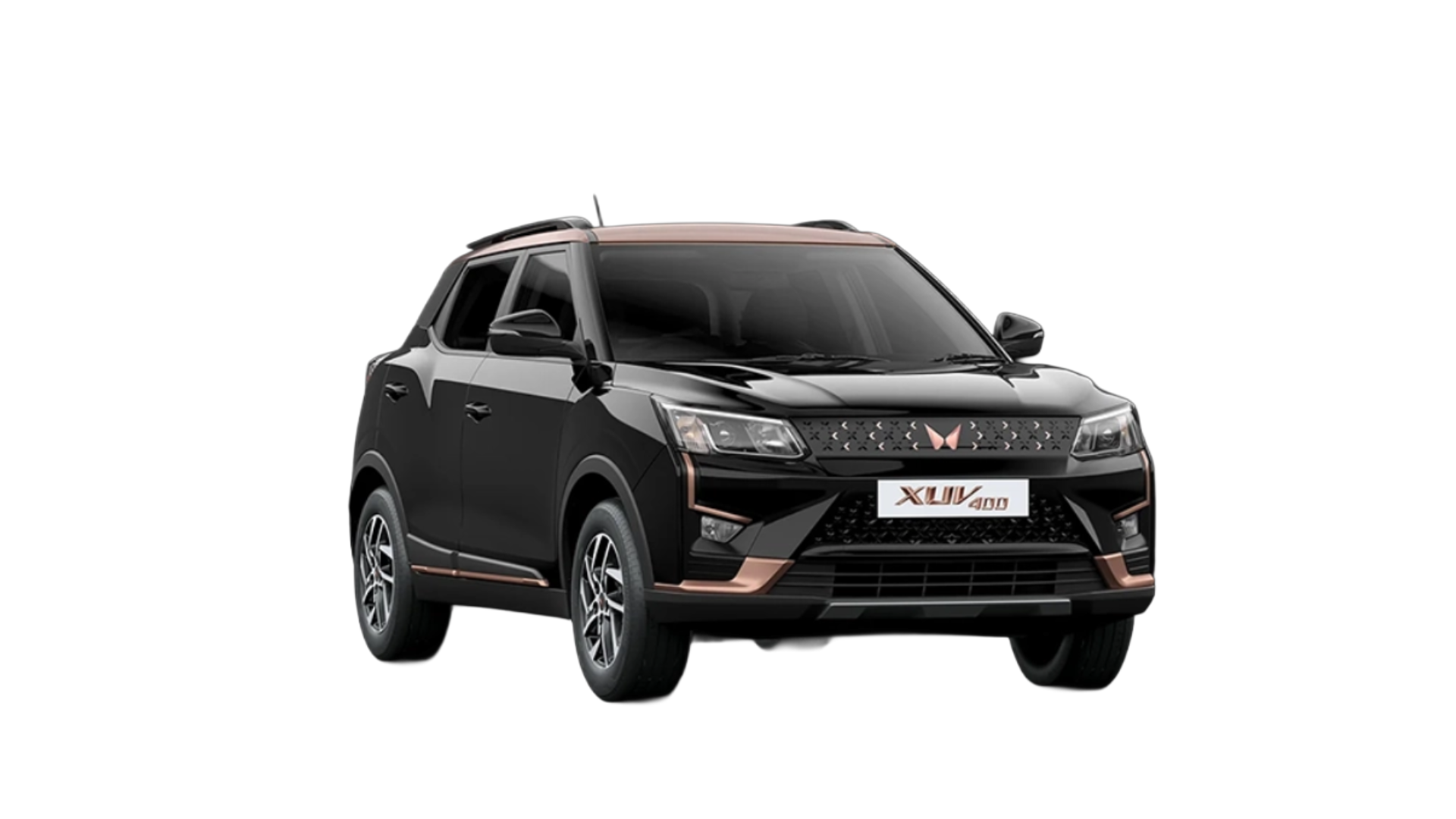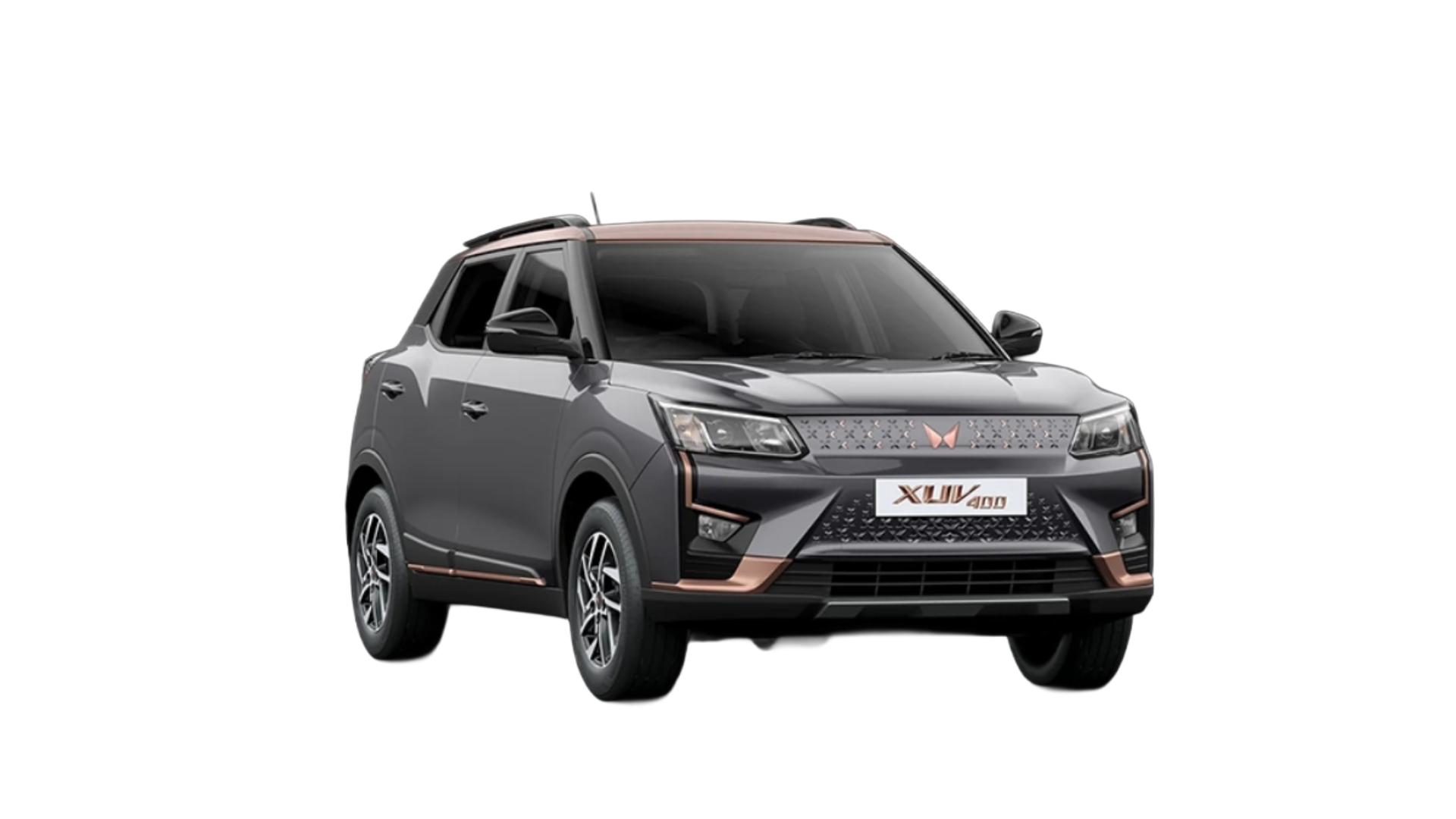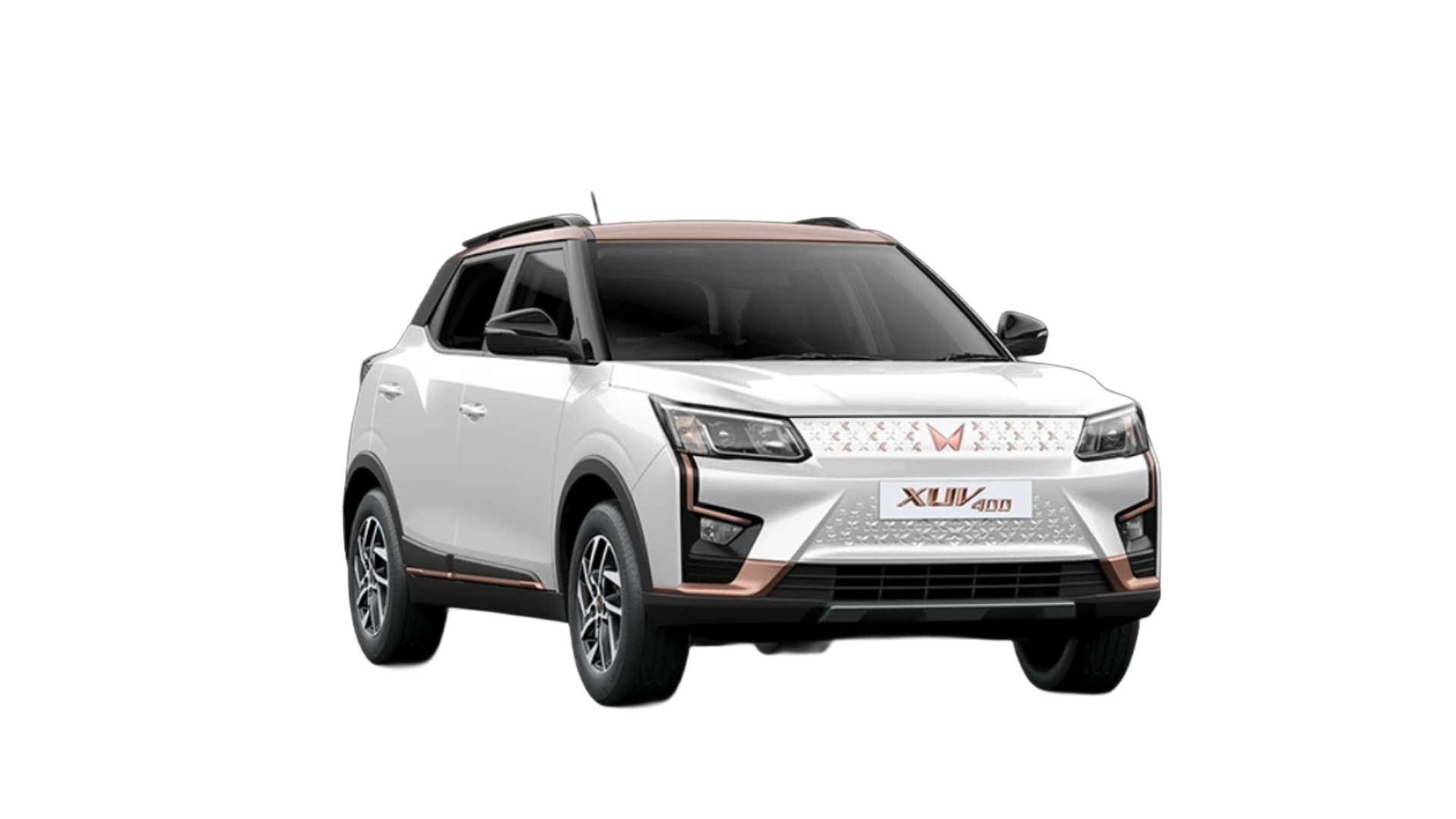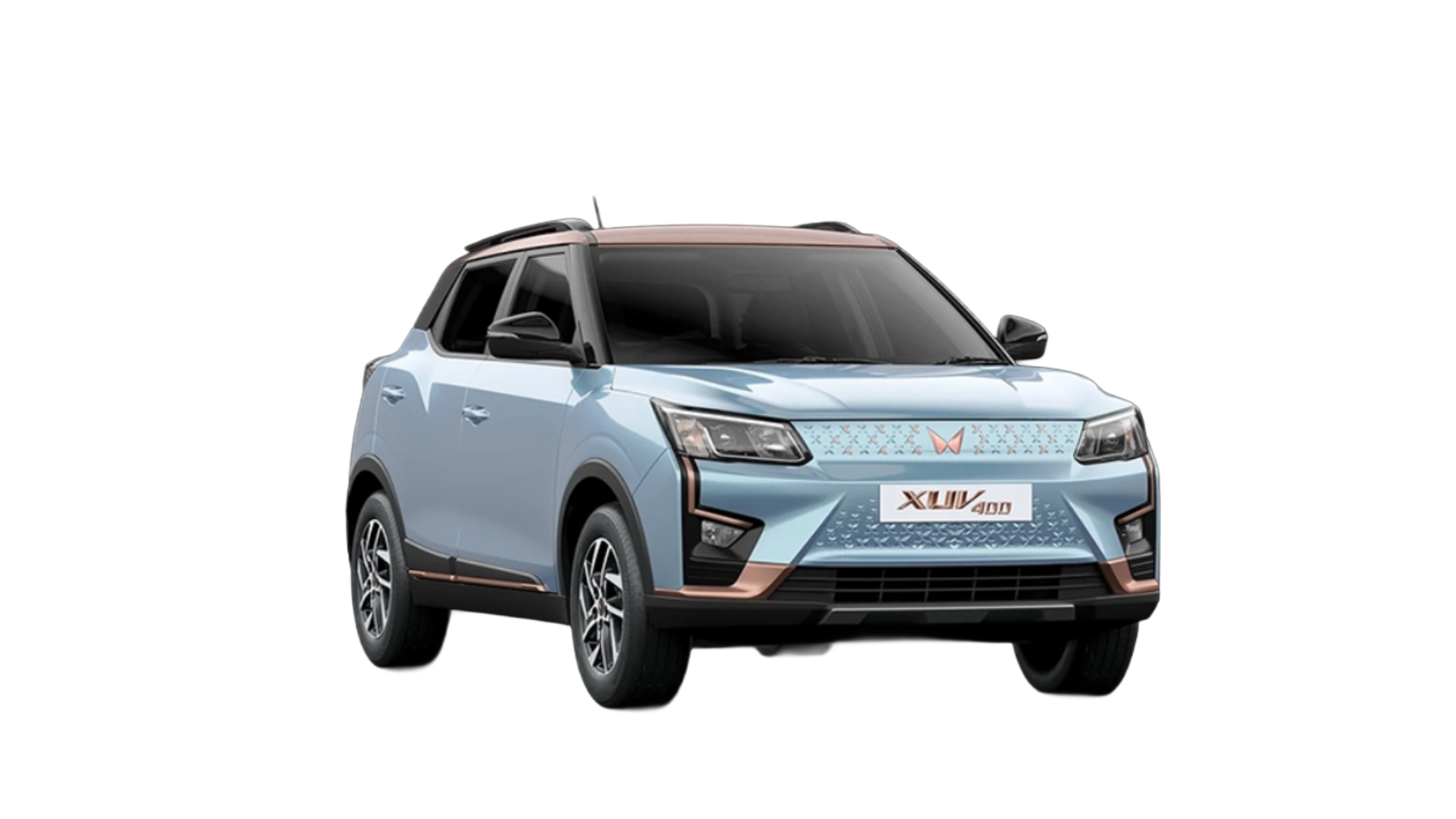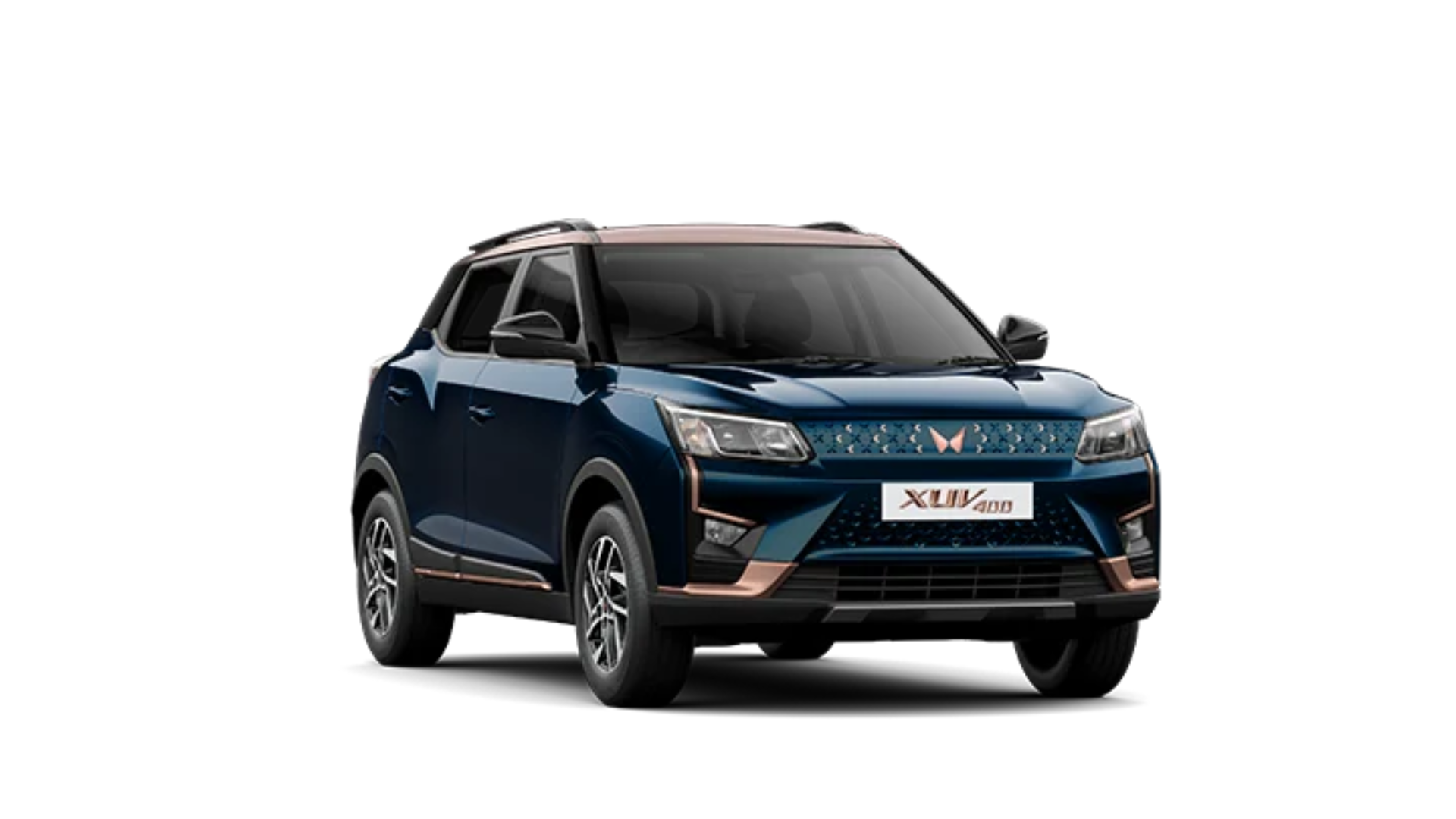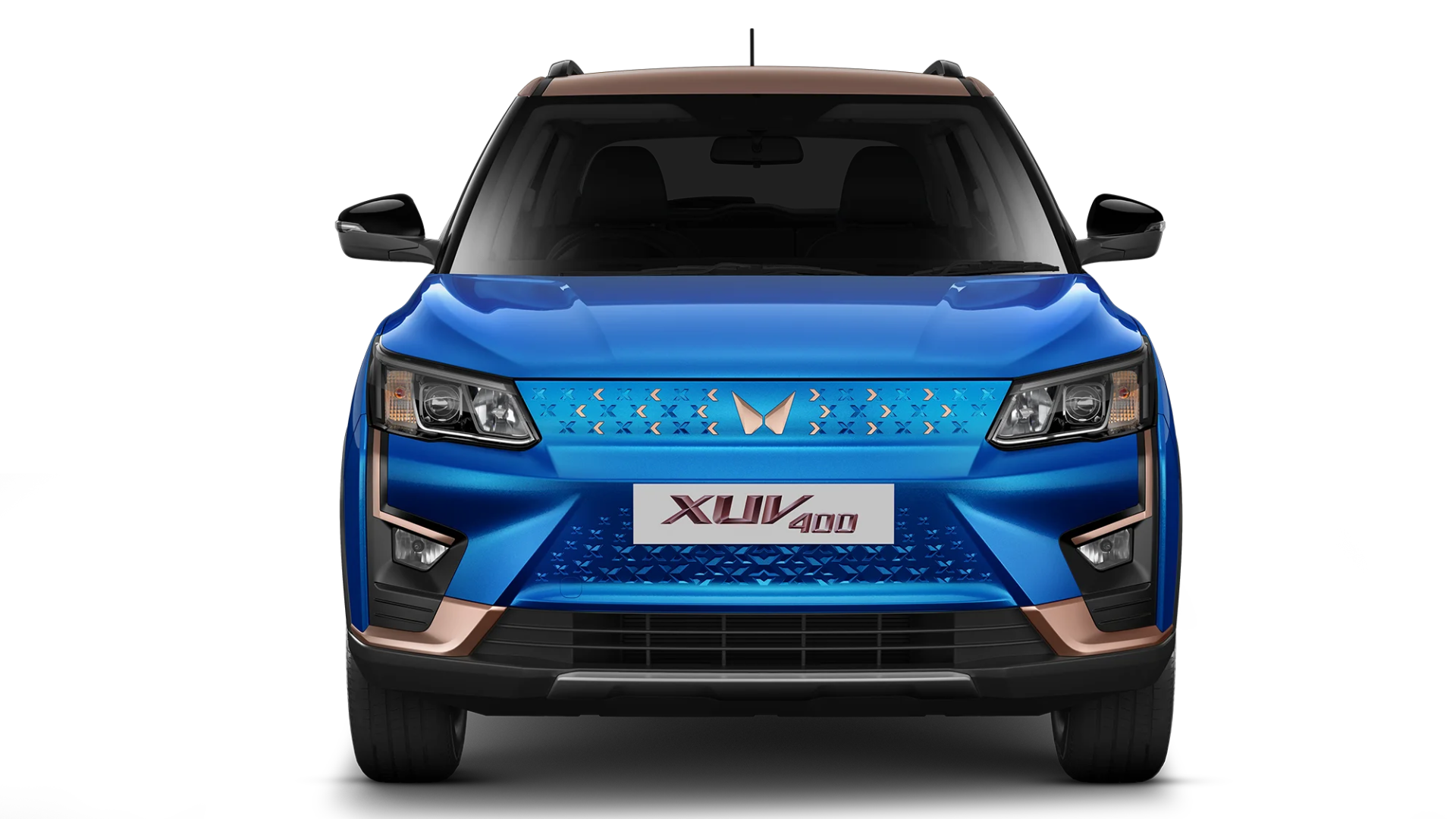
Mahindra XUV400 review by ThatsmyEV team
A capable, 5-star-rated electric SUV that now lives in its own sibling's shadow
Our Take
When Mahindra launched the XUV400 in 2023, it was the brand's first electric car and a genuine statement: a spacious, solidly built, properly quick electric SUV. Two years on, the market has moved, and most awkwardly for Mahindra, it has moved in the shape of the company's own XUV 3XO EV. The 3XO EV shares the XUV400's exact powertrain, costs less, and adds the equipment the XUV400 never had. That is the shadow this review has to step out of.
Battery
The packs. The XUV400 offers two NMC battery options: a 34.5 kWh battery in the EC Pro and a 39.4 kWh battery in the EL Pro. Both are liquid-cooled and heated, with IP67 protection for the battery and motor. The active thermal management is a genuine plus for Indian conditions, holding the pack healthier in summer heat and steadier in winter cold than the air-cooled packs in cheaper rivals such as the Citroën ë-C3X.
Charging
DC fast charging. Via CCS2, the XUV400 takes 10 to 80% in about 40 minutes for the 34.5 kWh EC Pro and about 50 minutes for the 39.4 kWh EL Pro, on a 50 kW DC charger. The catch is the ceiling: the car accepts only up to 50 kW. The Tata Nexon EV pulls up to 60 kW and the Tata Curvv EV up to 70 kW, both reaching 10 to 80% in around 40 minutes despite larger batteries. On a long trip the XUV400 will simply spend longer plugged in.
Driving feel
Performance. The single front-axle motor makes 150 PS and 310 Nm, with 0 to 100 km/h in 8.3 seconds. That 310 Nm of torque comfortably beats the Tata Nexon EV's 215 Nm and the Tata Curvv EV's figure, making the XUV400 one of the quicker cars in its class off the line. Fun, Fast and Fearless modes adjust throttle, steering and regen together, with a Lively L-mode for single-pedal city driving. It is the same strong powertrain you get in the newer 3XO EV.
Safety
The headline. The XUV400 carries a verified 5-star Bharat NCAP rating, which is its single strongest card and something the newer XUV 3XO EV, tested only in its petrol form, cannot match as an EV. Disc brakes on all four wheels, electronic stability control with hill-hold, a tyre-pressure monitor, ISOFIX anchors, IP67 protection and crash-detection with a pyro-fuse battery cut-off are all standard.
Interior and technology
The cabin. The dashboard is actually the XUV400's strong suit, because the Pro update gave it the same modern floating-touchscreen layout the 3XO EV later inherited. The EL Pro pairs a 26.04 cm (10.25-inch) touchscreen with a 26.04 cm (10.25-inch) digital cluster, dual-zone climate, leatherette seats with copper stitching and a dual-tone theme. The EC Pro drops to a small 8.89 cm (3.5-inch) cluster screen, fabric seats and steel wheels with covers.
Variant by Variant
Both variants share the same 150 PS, 310 Nm motor, so the gap between them is battery size, safety kit and equipment. Prices are ex-showroom and on-road Delhi (including RTO, insurance and standard charges). A third option, the EL Pro with the smaller 34.5 kWh battery, also exists at about ₹16.74 lakh ex-showroom. Mahindra does not offer Battery-as-a-Service on the XUV400.
The verdict
The Mahindra XUV400 EV is a genuinely competent electric SUV. It is spacious, comfortable, quick and well-built; it has a liquid-cooled-and-heated battery and all-four-disc brakes; and it holds a verified 5-star Bharat NCAP rating that its newer sibling cannot yet claim. None of that is in doubt.