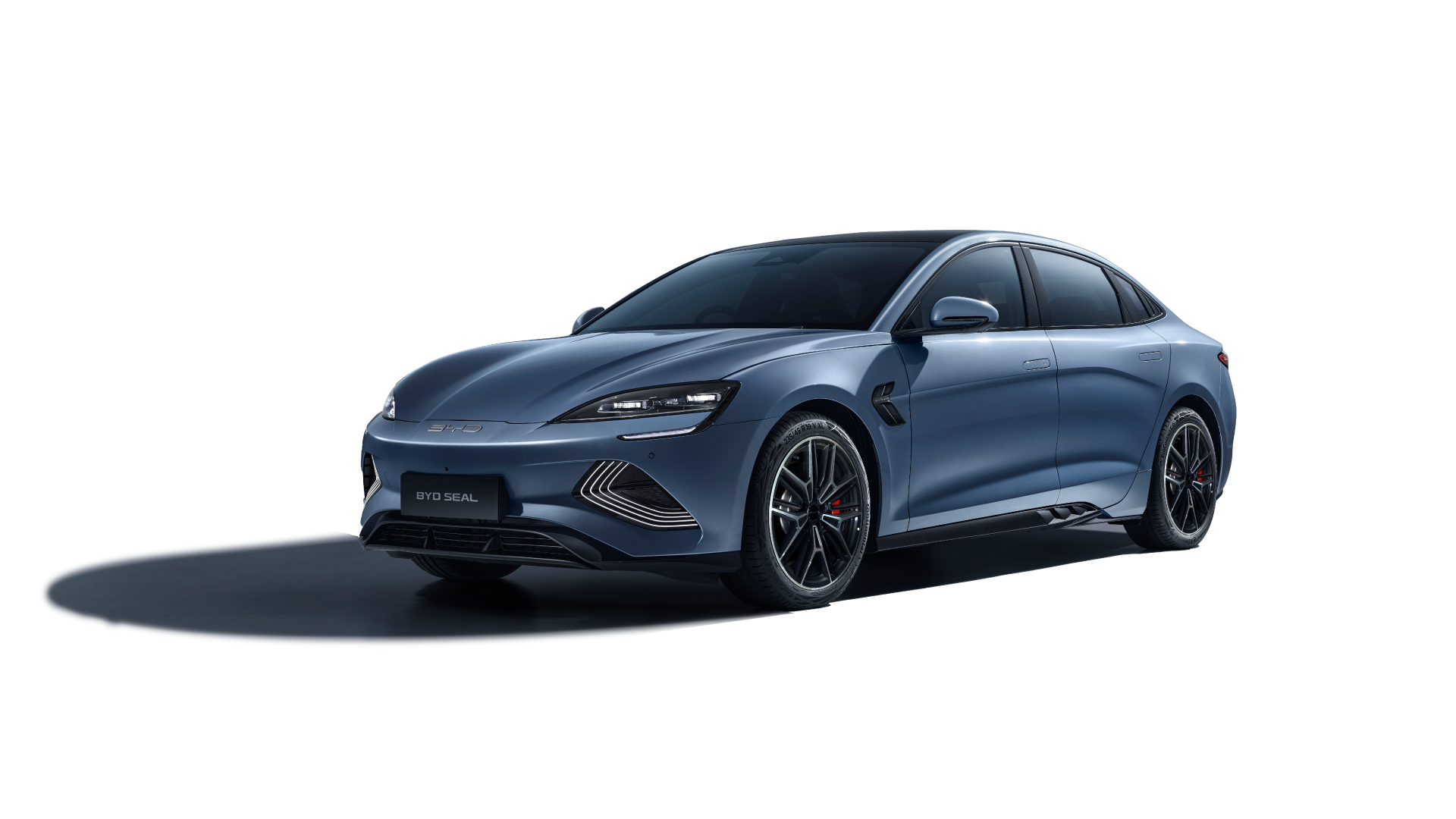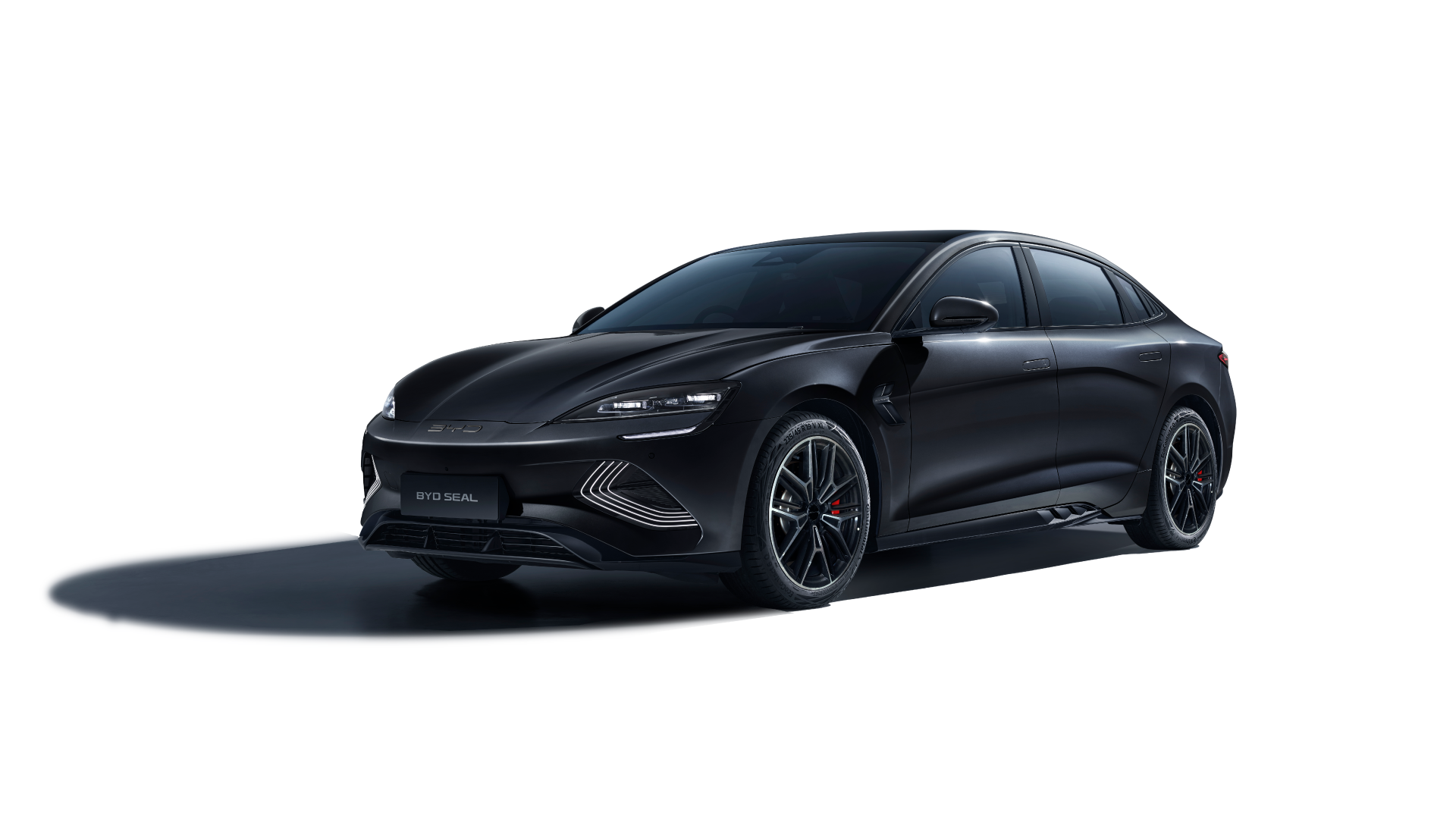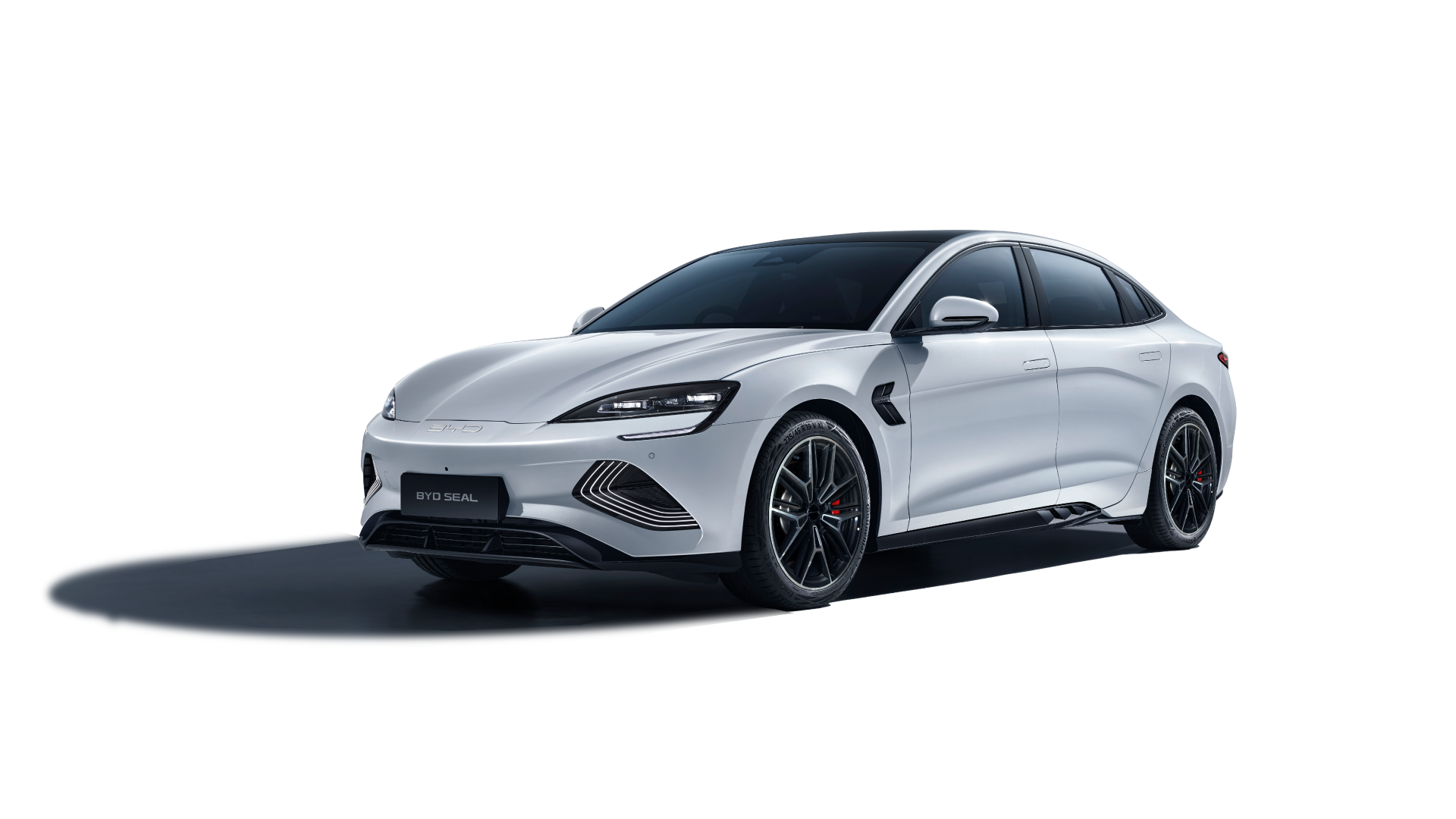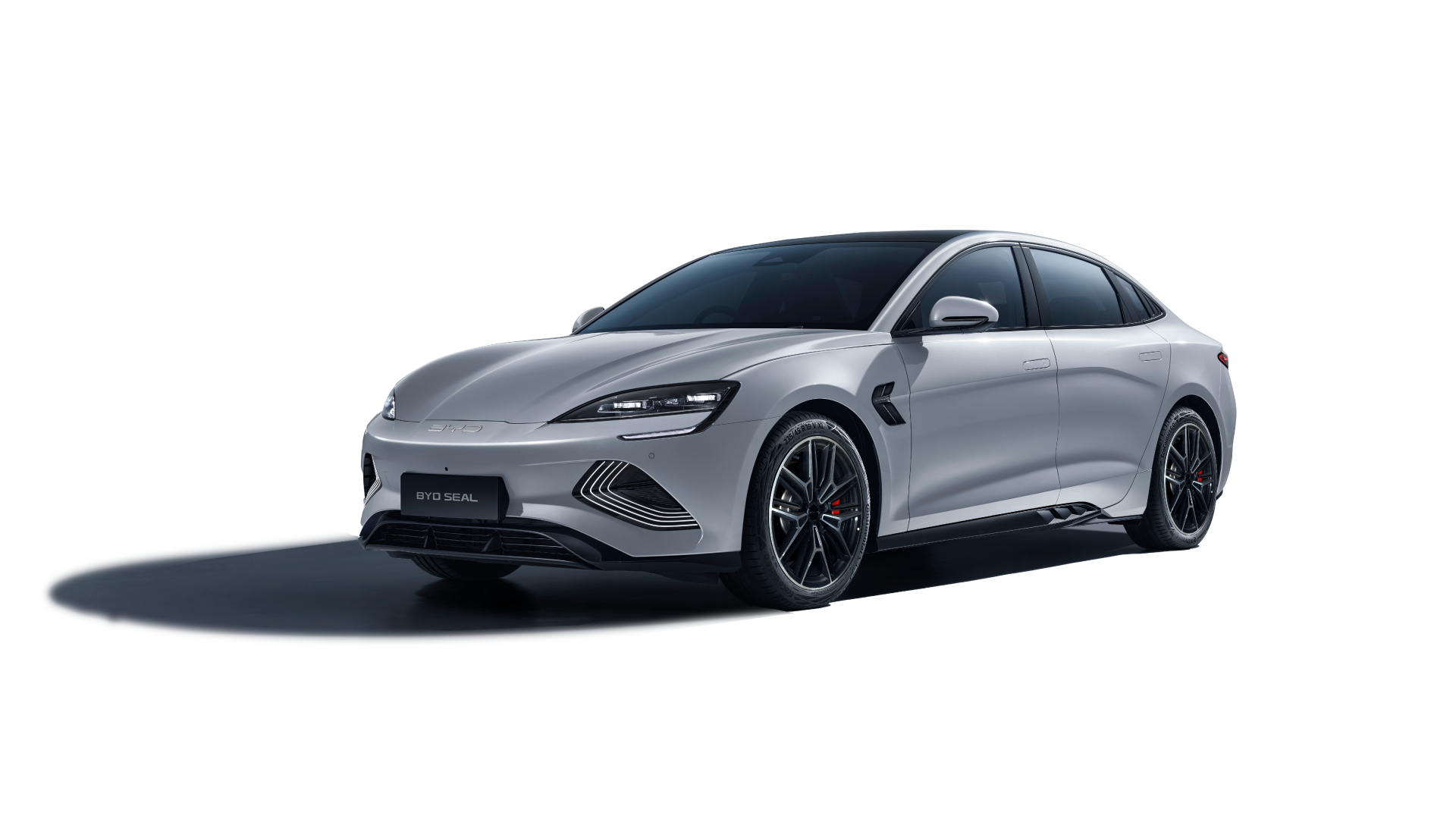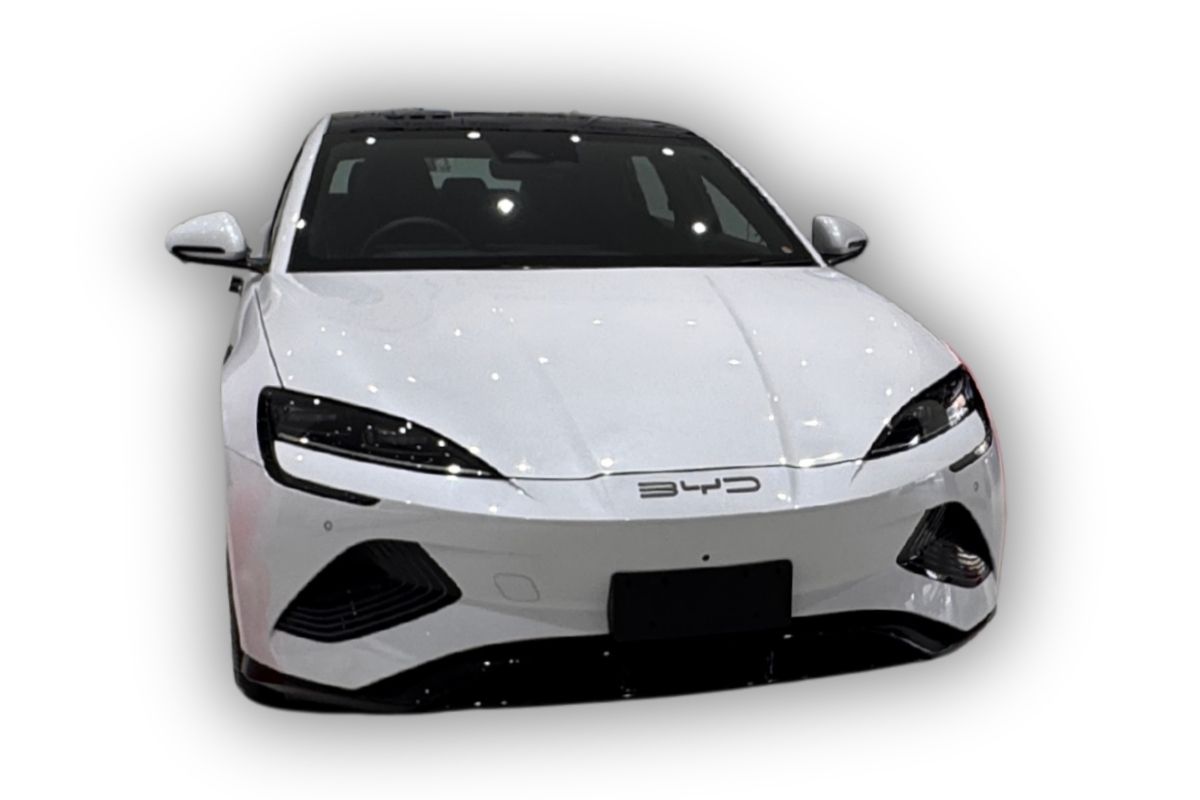
BYD Seal review by ThatsmyEV team
Genuine premium-EV engineering at a price that rewrites the rules, if you can live with the India caveats
Our Take
BYD is the largest electric-vehicle maker in the world, and the Seal is the car that explains why. It is built on the firm's e-Platform 3.0 with Cell-to-Body construction, carries BYD's own Blade Battery, slips through the air at 0.219 Cd, and was designed under the Ocean Aesthetics language into one of the most striking sedans on Indian roads. The remarkable part is the price. It starts at ₹41 lakh.
Battery
The chemistry choice. The Seal uses BYD's Blade Battery, a lithium iron phosphate (LFP) pack rather than the nickel-rich NMC chemistry in most rivals. LFP uses no cobalt, runs cooler, and lasts longer: BYD rates the cells for 500,000 km and beyond, and the pack survived a nail-penetration test and a 46-tonne truck driving over it without thermal runaway. The trade-off is energy density, which is why the Seal needs a large 82.56 kWh battery to reach the range a smaller NMC pack might. The smaller 61.44 kWh battery sits in the Dynamic.
Charging
DC fast charging. The Seal runs a 400-volt electrical architecture. The Premium and Performance accept up to 150 kW on a DC charger and the Dynamic up to 110 kW, with a 10 to 80% top-up taking around 37 minutes. That is perfectly usable. It is not, however, class-leading. The Hyundai Ioniq 5 and Kia EV6 use an 800-volt system and a 350 kW charger to do the same 10 to 80% in about 18 minutes, roughly half the time. If you do frequent long highway runs with public fast-charging, that gap is the Seal's one clear technical deficit against its Korean rivals.
Driving feel
Three very different characters. The rear-drive Dynamic makes 204 PS and reaches 100 km/h in 7.5 seconds, which is plenty for daily Indian roads. The Premium steps up to 313 PS and 5.9 seconds. The all-wheel-drive Performance is the showpiece: a front induction motor and rear permanent-magnet motor combine for 530 PS and 670 Nm, and a 3.8-second sprint that genuinely matches sports cars costing twice as much.
Safety
Verified, twice over. The Seal holds a 5-star Euro NCAP rating and a 5-star ANCAP rating, both from 2023, which together make it one of the most rigorously crash-validated EVs you can buy in India. It does not carry a Bharat NCAP score, as it arrives as an import, but the European and Australian tests are at least as demanding.
Interior and technology
Design and quality. The cabin runs the Ocean Aesthetics theme inside, with a crystal Heart of the Ocean gearshift as the centrepiece, suedette and quilted upholstery, and dynamic ambient lighting. Material quality is genuinely premium on the Premium and Performance, which get real leather; the Dynamic uses high-grade imitation leather. A vast 1.9 square-metre silver-plated panoramic glass roof with a dimming canopy floods the cabin with light while blocking heat and UV.
Variant by Variant
All three Seals share the same cabin, the same 9-airbag safety kit and the same core technology, so the choice comes down to battery size, drivetrain and pace. Prices are ex-showroom and on-road Delhi (including RTO, insurance and standard charges). Note that BYD announced a 1 to 2% price rise effective July 2026, so confirm the current figure with your dealer.
The verdict
The BYD Seal is a remarkable piece of engineering sold at a remarkable price. Cell-to-Body construction, the Blade Battery, a 0.219 drag coefficient and a genuinely sorted chassis add up to a car that drives, protects and equips its occupants better than rivals costing significantly more. As a piece of product, it is one of the best electric sedans on sale in India, full stop.